EN
ZH
JA
Copyright © 2025 X-Basic PLANNING Ltd.
archive

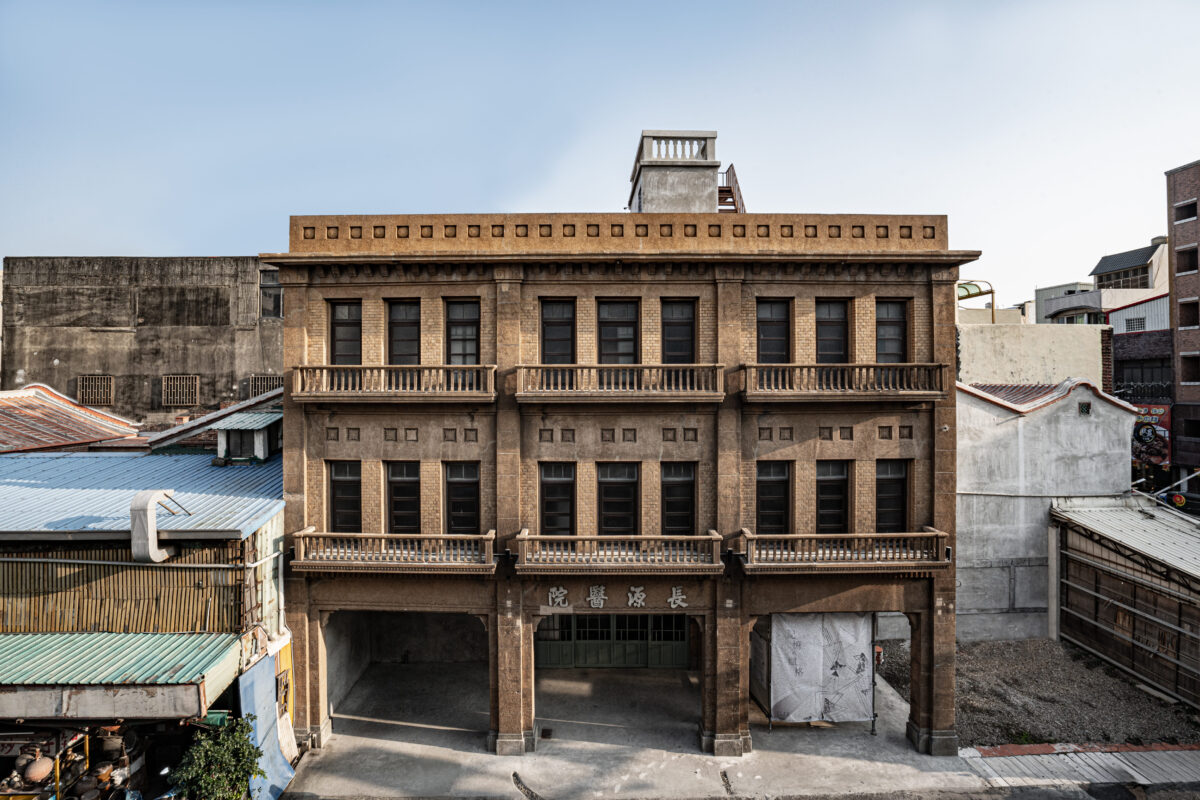
Chang-Yuan Hospital – Preservation and Regeneration Project of Old Building

Old Houses and Objects That Carry Memories

“When items are piled in corners for a long time and forgotten, their original value disappears gradually, and they eventually become waste that just occupies space.” While sorting furniture and taking inventory of past events, Dr. Xu Zhengyuan, the fourth-generation owner of Chang-Yuan Hospital, expressed his feelings about the reluctance to discard old items, and was grateful that someone still cares about this old building and its history.

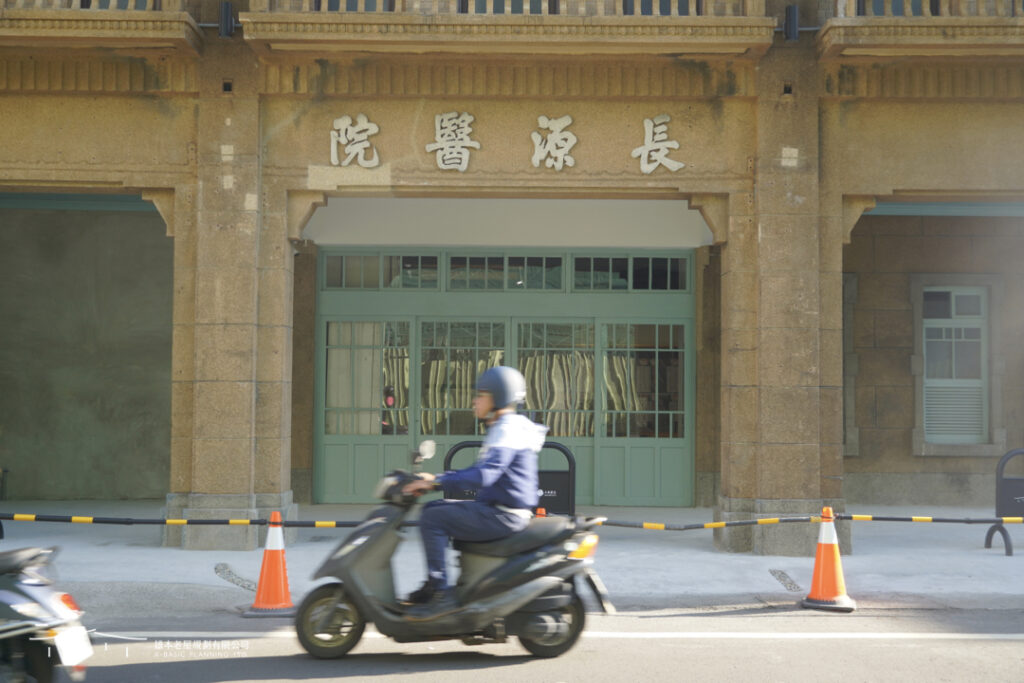
Before the restoration work of Chang-Yuan Hospital commenced, X-Basic Planning helped the owner package and preserve the cultural artifacts, retrieving long-forgotten memories from the river of time. During the renovation process, structures that were originally decayed, buried, or even dismantled were restored to their original appearance through historical image research. The old house and its antiques thus shook off dust and returned to their former glory in the bustling neighborhood, weaving together with the historic Yuzhen Zhai building across the street to form Lukang’s landmark intersection.

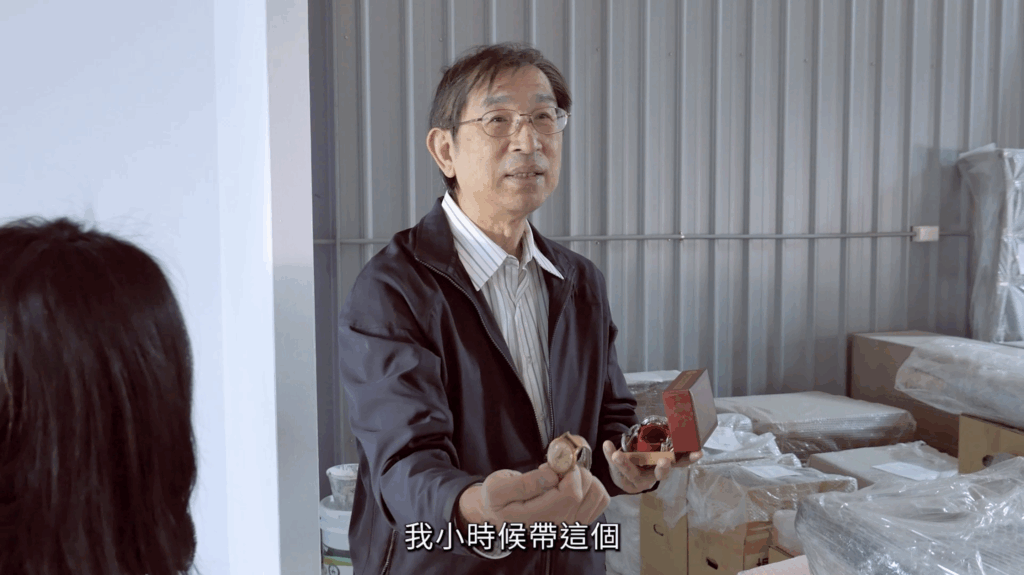
In 2020, the cultural artifact repository of Chang-Yuan Hospital displayed old furniture and items transported from the old building. During the documentation and organization process, Dr. Xu Zhengyuan discovered many old photographs and materials left by his father, and while conducting inspections on artifacts, he reminisced about his childhood, finding the first watch he wore during elementary school. After half a century, the watch band retains elasticity, and the unpowered hands seem to have frozen in time. As the solidified time warms up on his wrist, Dr. Xu’s smile softens as he shares with team members the excitement of wearing a Plum Blossom watch in his childhood.

New Discoveries Under the Metal Roof
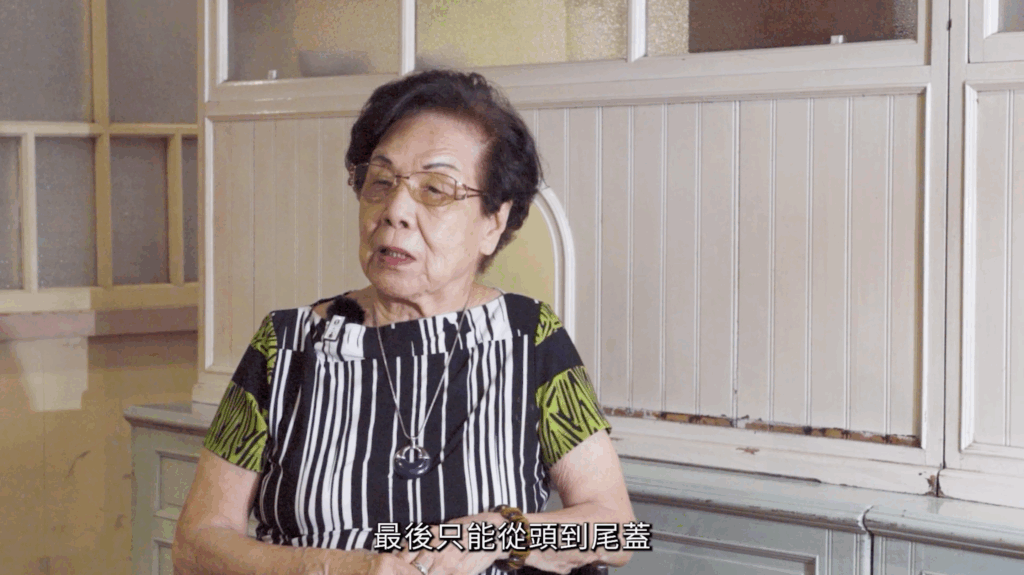
In contrast to the intact Mido watch, the Chang-Yuan Hospital that has protected these old items through the long years has gradually developed serious problems such as water leakage, termite infestation, and wall bulging. With no other options, Grandmother Xu (Ms. Shi Xiuxiang) could only ask workers to cover the roof with steel plates to block the rain, temporarily alleviating the issues of building maintenance.

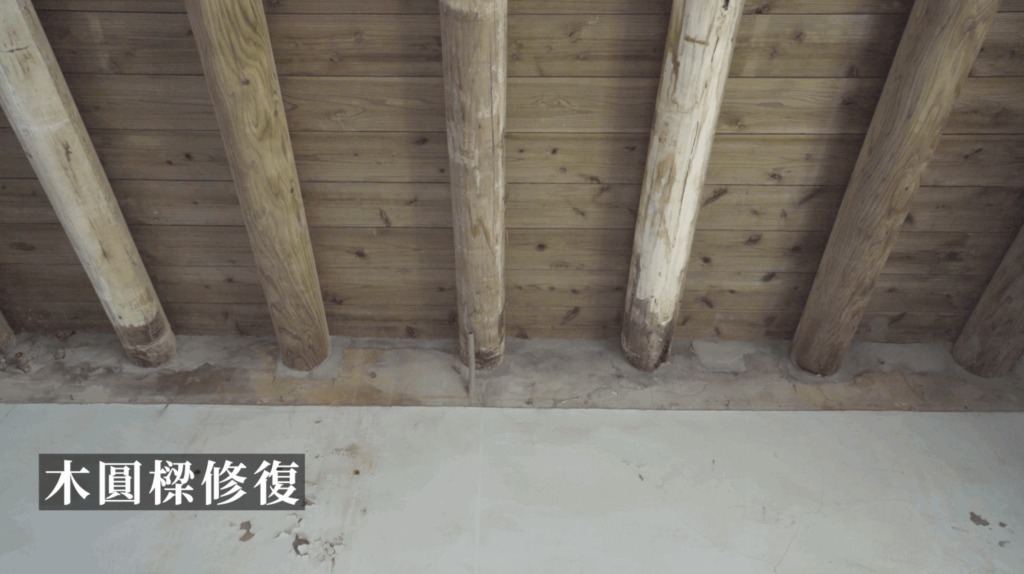
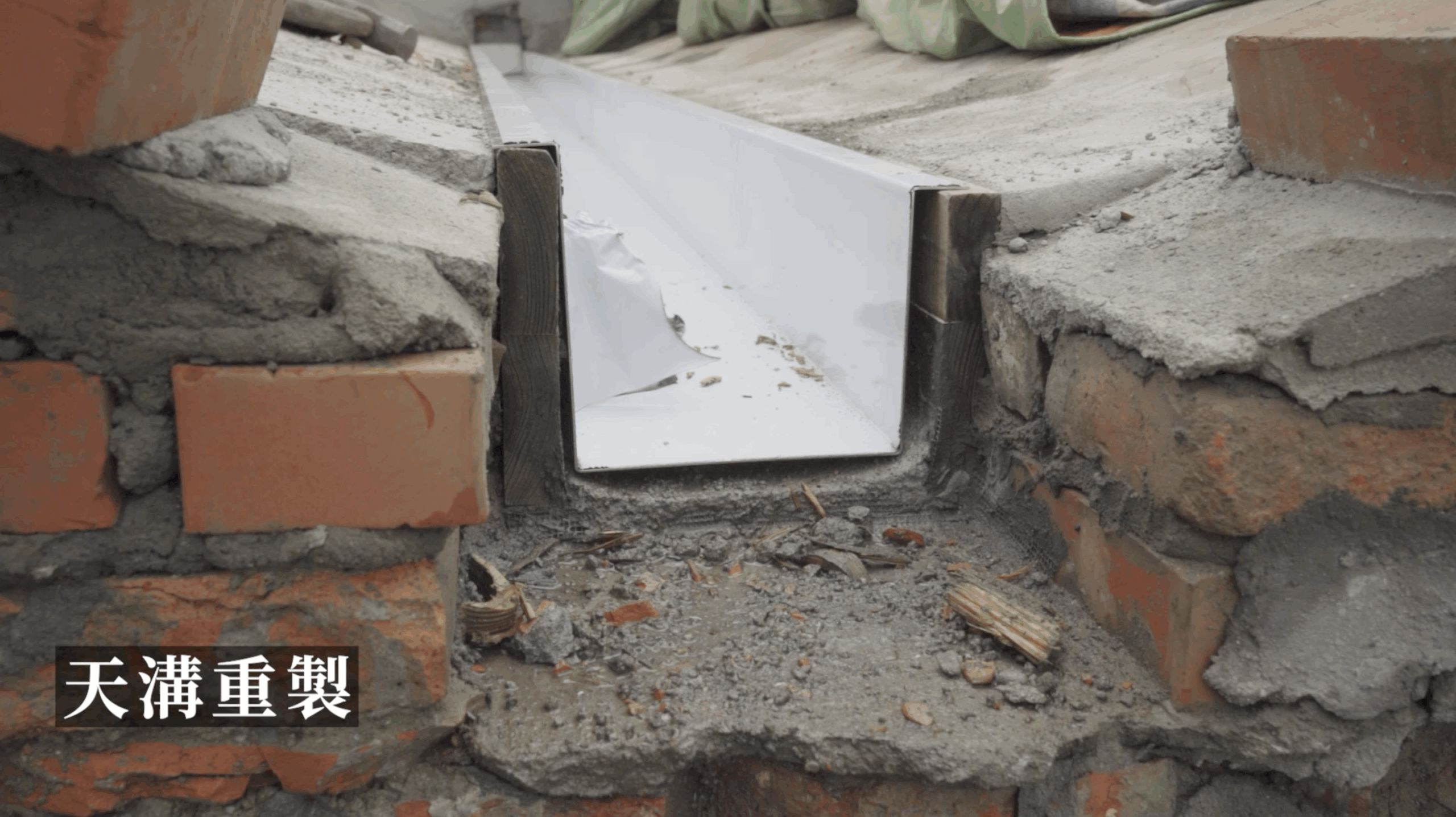
Although this blocked rainwater from leaking through the ceiling, the humidity of Lukang still seeped in everywhere, causing the ends of the wooden circular beams in the Minnan-style shophouse to rot, attracting termites to build nests. The restoration team’s original plan to replace 30 wooden beams had to be adjusted to 70 beams after removing the metal sheets and examining the actual structural conditions. The restored brick walls and wooden beams were thoroughly waterproofed to effectively extend their lifespan; while the white lime gutters on the roof that had weathered and collapsed were reconstructed using modern methods with stainless steel materials to improve drainage functionality.
Besides reassessing the extent of building damage, the restoration team also made many surprising discoveries during the construction work.

After the metal sheets on the main ridge of the roof were removed the decorative elements wrapped within them saw the light of day again. The delicate openwork brick patterns and relief designs not only symbolized the blessings of ancestors for the family but also showcased popular decorative elements from the period of construction. To preserve these precious patterns, the team used 3D scanning technology to digitize the architectural details, using this as a basis to rebuild the roof ridge; the originally fragile structures were evaluated, removed, and presented as exhibits, inviting the public to appreciate the details up close during the completion exhibition.
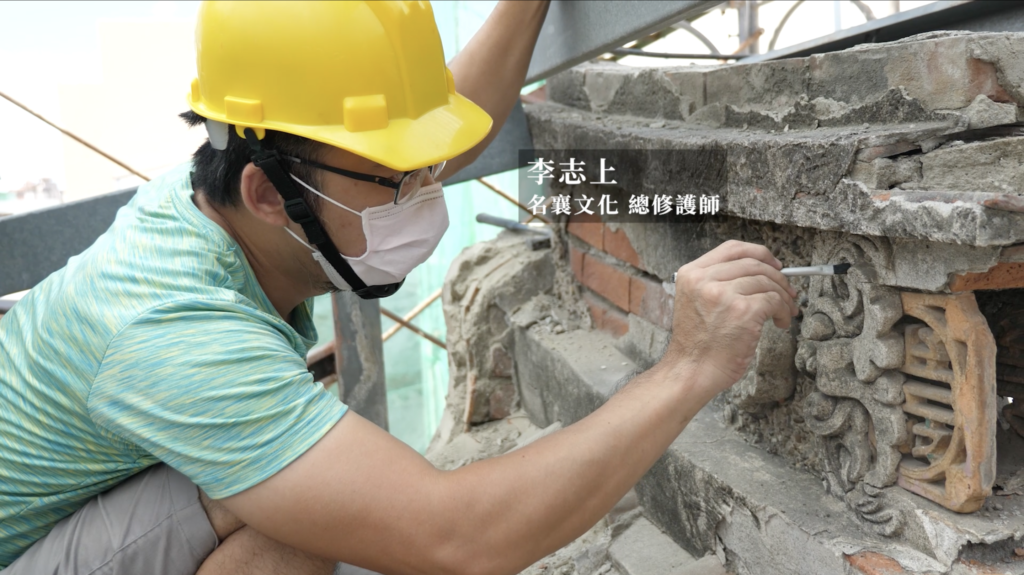
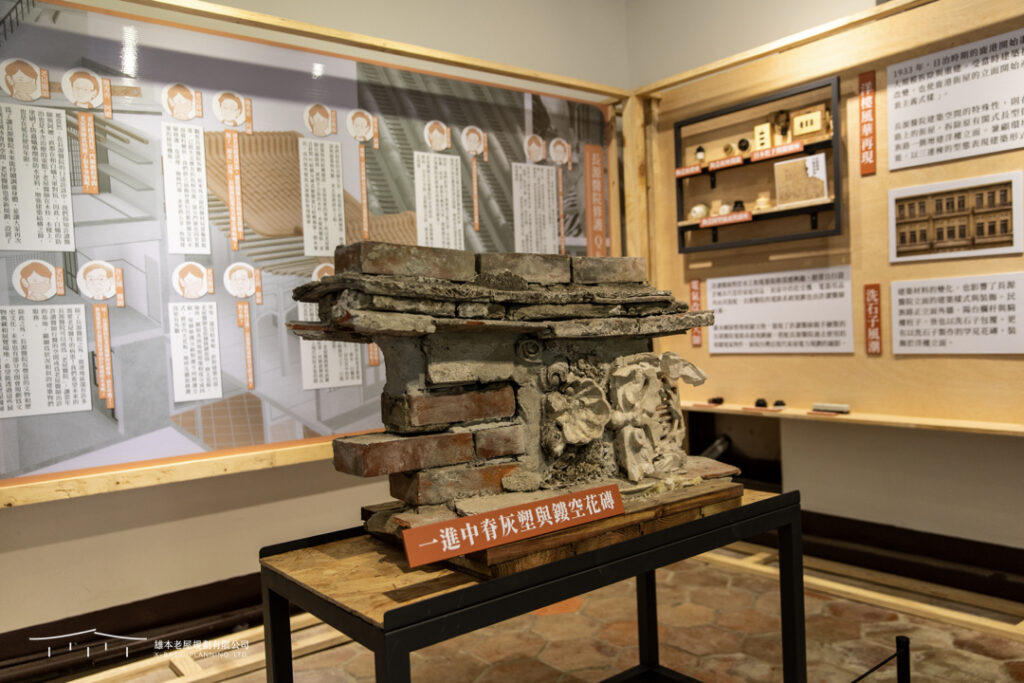
Recreating Architectural Features with Film Negatives

Lukang’s rainy summers and windy winters necessitated the formation of the distinctive ‘Covered Streets’: Vendors on both sides of the street built continuous ‘street pavilions’ stretching for miles, with brick platforms on top that allowed pedestrians to walk and gather together. Although the covered streets were demolished during the 1934 urban correction process, old photographs left by local residents on their rooftops became important reference materials in the building survey.

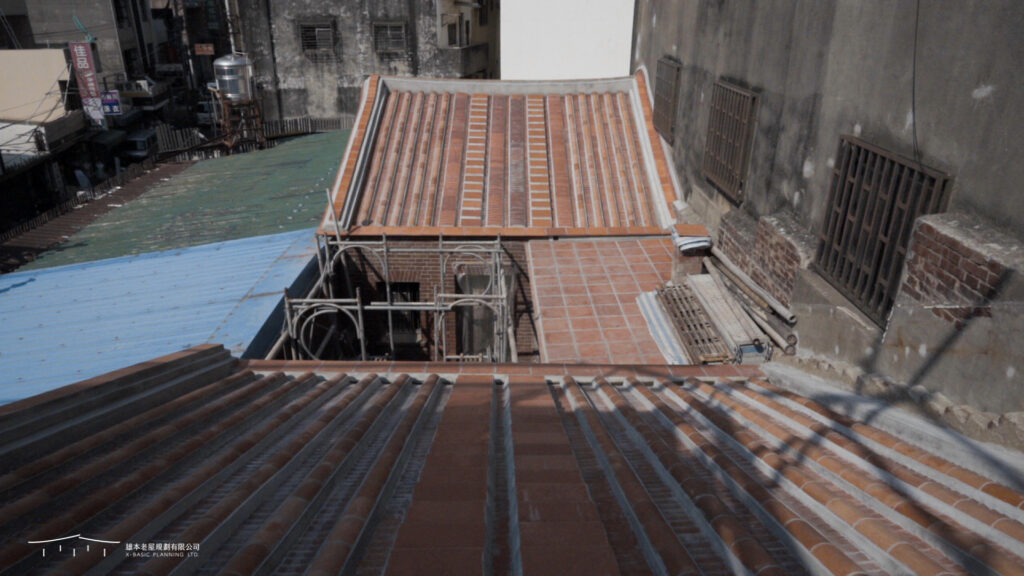
Following Grandma Xu’s oral accounts, the restoration team found multiple areas of old, damaged brick platforms on the front facade of Chang-Yuan Hospital, in the water passages between the second and third sections, and on the rear sloped roof. After comparing them with old photographs and historical data, the team inferred these were extensions of the street pavilion structure. During the project, they relaid the floor tiles and also restored the old chimney in the water passage area.

Through historical photographs, we can not only have glimpses of the past architectural design of Chang-Yuan Hospital but also review the everyday life of Lukang residents—this is precisely what the regeneration of old buildings achieves. “When architectural spaces from different periods are no longer demolished due to deterioration, history naturally integrates into daily life, becoming part of the urban landscape.” As X-Basic Planning’s chief consultant Pei-Juan Hsieh observed about Chang-Yuan Hospital, those once-vanished memories and architectural structures are details that shape local culture, reestablishing connections with modern life through processes of rediscovery.
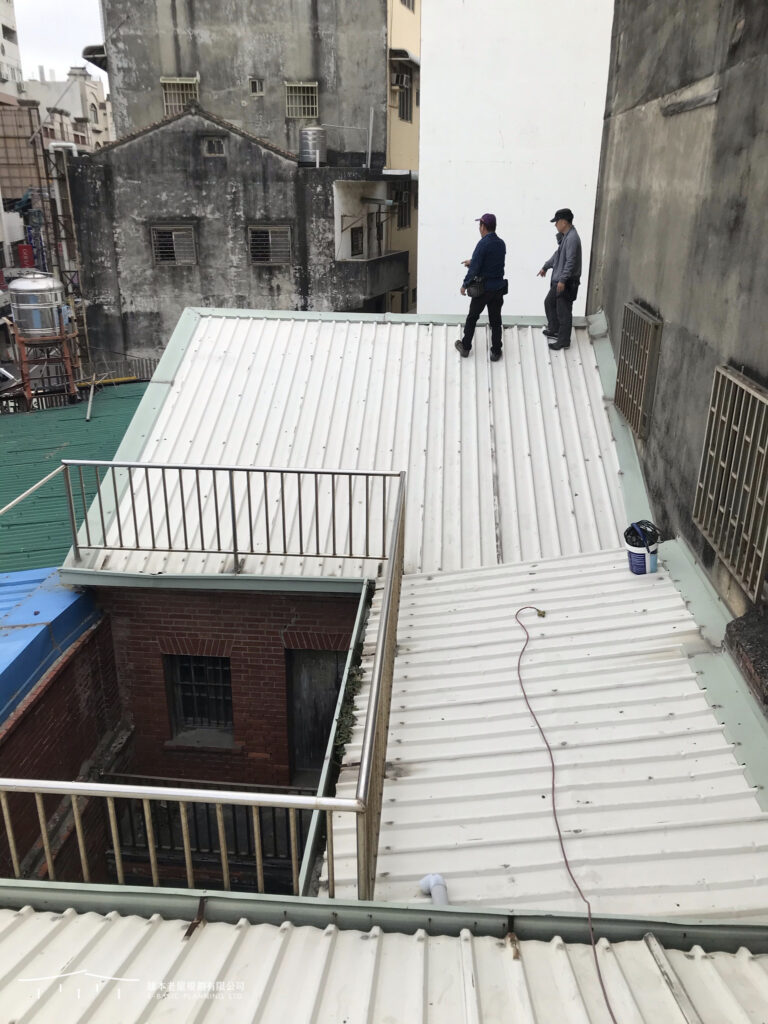
The water passage area between the second and third sections of the Hospital’s Minnan-style shophouse was once covered with corrugated metal sheets.
After the restoration project, the roof was newly covered with tiles and floor bricks, and the original chimney was restored to its former appearance.

Maoao Stone House Preservation and Regeneration Project

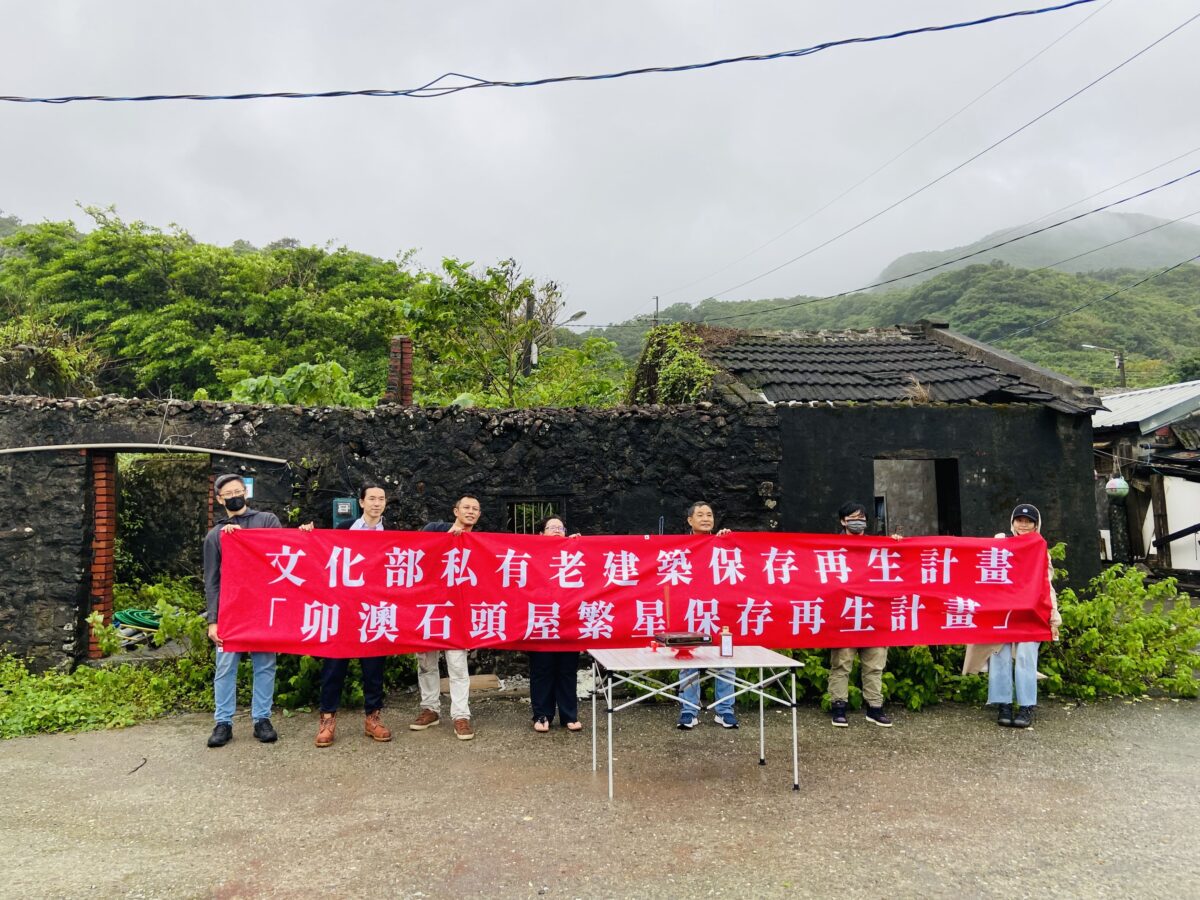
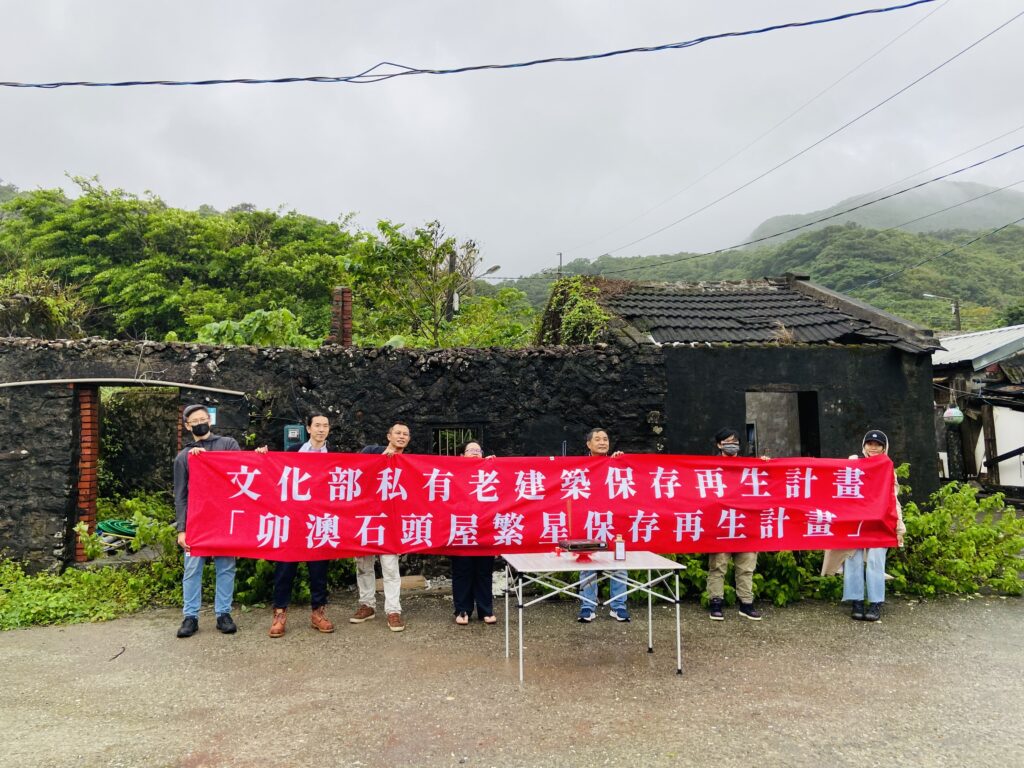
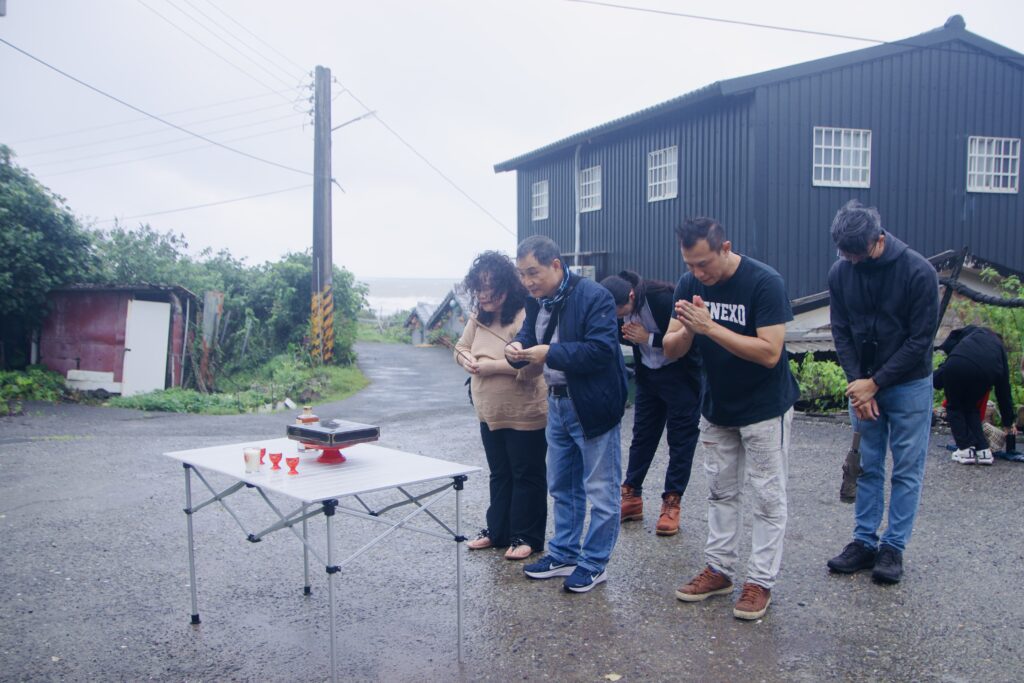
In October 2022, the X-Basic team and the local Maoao team Guarding the Far East – Magang, Maoao jointly assisted Mr. Jiang Mingxian, the owner of Maoao stone houses at 28 Fulian Street and 15 Fuxing Street, in obtaining the Maoao Stone House Stars Preservation and Regeneration Project. On October 17th, under the “accompanying” ambiance of a typhoon, a groundbreaking ceremony for the stone house restoration project was held in the wind and rain. During the preparation for the ceremony, the X-Basic team members warded off wind and rain in order to light the incense in the northeast monsoon. They also worked together to hold up the groundbreaking banner, sincerely praying for the safety and smoothness of the upcoming project.

Stone houses are fishing village settlements in Taiwan’s northeast coast, built with local stone materials to adapt to the natural environment. Key features to preserve include the withstanding the northeast monsoon and ocean surf, the artistic quality reflecting the local environmental colors, and the cultural significance containing the fishing village’s developmental history. Although the environment of the fishing village was harsh in the past, neighbors would always help each other. From the construction of stone houses, daily fishing and harvesting, to the procession activities of the local Liyang Temple, life in the stone house settlement was always carried out together.

For the X-Basic team, accompanying the stone houses from field investigation and project application to groundbreaking has been the same. We have experienced Maoao’s extreme heat and cold winters together with the local team and the homeowners, never missing the story of any stone or tile. On the day of the groundbreaking ceremony, the timely northeast monsoon allowed everyone to experience something of the daily life of local residents, while also evidencing the resilience of the stone houses, which remain standing in the wind and rain even with only one wall left.

In the future restoration project, the X-Basic team will transform this wall that has withstood wind and rain into stronger stone houses. This will create new spaces for local residents but also, through innovative planning and use, allow the features and stories of the stone houses to continue to be built upon, just like the stones that have been piled up generation after generation.

BackerHouse – Private Old Building Preservation and Regeneration Project

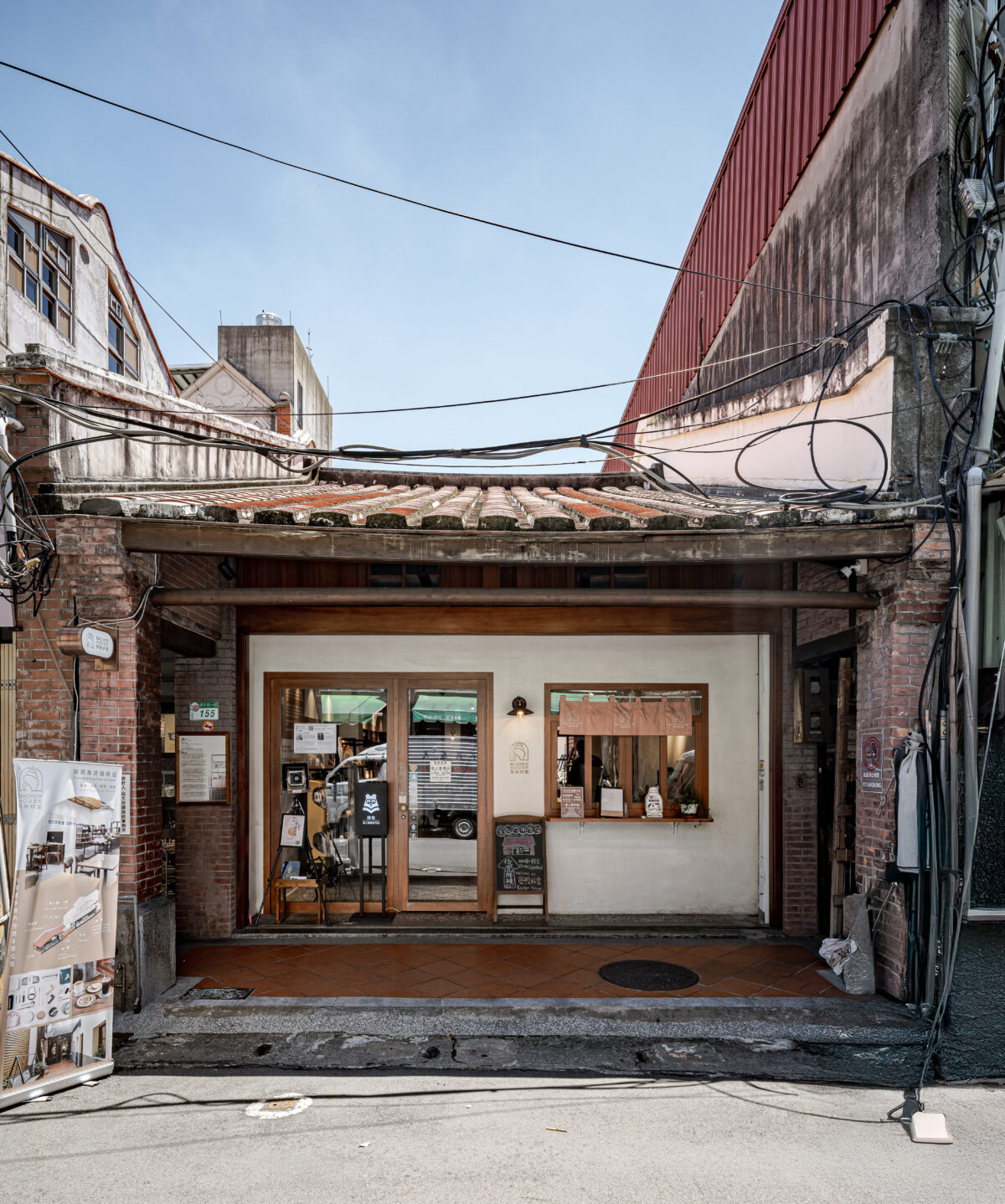
Dadaocheng is the area with the highest concentration of cultural assets in Taipei City and has long been known for its thriving commerce. Reflecting the Qing Dynasty, Japanese rule, and the post-war era, various forms and styles of commercial street houses stand side by side, shaping Dadaocheng’s unique neighborhood character. The building at No. 155, Section 1, Dihua Street, now operated by BackerHouse, is a three-story Minnan-style shophouse built during the Qing Rule Period with additions made during the Japanese rule period and after the war. In 2005, it was designated as a historic building by the Taipei City Department of Cultural Affairs.

From 2012 to 2019, No. 155, Section 1, Dihua Street served as the “URS Urban Regeneration Station” under the Taipei Urban Regeneration Office. In 2020, after completion of its phase mission, it was transferred from the Taipei Urban Regeneration Office to the Taipei City Department of Cultural Affairs, which promoted the Old House Cultural Movement Project. The initiative aimed to attract private organizations through a system where restoration costs could offset rent and management fees, creating a public-private partnership for revitalization.

The crowdfunding consultancy company Backer-Founder submitted a proposal to the Taipei City Department of Cultural Affairs at this time, inviting the X-Basic Team and Huang Wei-cheng Architectural Firm to assist with local historical research, space renovation, interior decoration, and a series of operational planning recommendations. To accommodate future store operations, the team built upon the restoration work done by Lu Ta-chi Architectural Firm ten years earlier, proposing appropriate restoration and reuse plans for the future.

This Minnan-style shophouse with a “one-section, two-hall, two-corridor” layout suffered from wall mold due to ground and roof water seepage, along with damaged doors, windows, and electrical interfaces. After conducting surveys and documenting current conditions, the team carried out restoration work on four major components: wall surfaces, floors, doors and windows, and wooden stairs. During the process, the team not only considered the compatibility of building materials with the architectural aesthetics but also followed reversible renovation techniques. While striving for thorough restoration, they strengthened the connection between new and old materials to facilitate future management and maintenance.

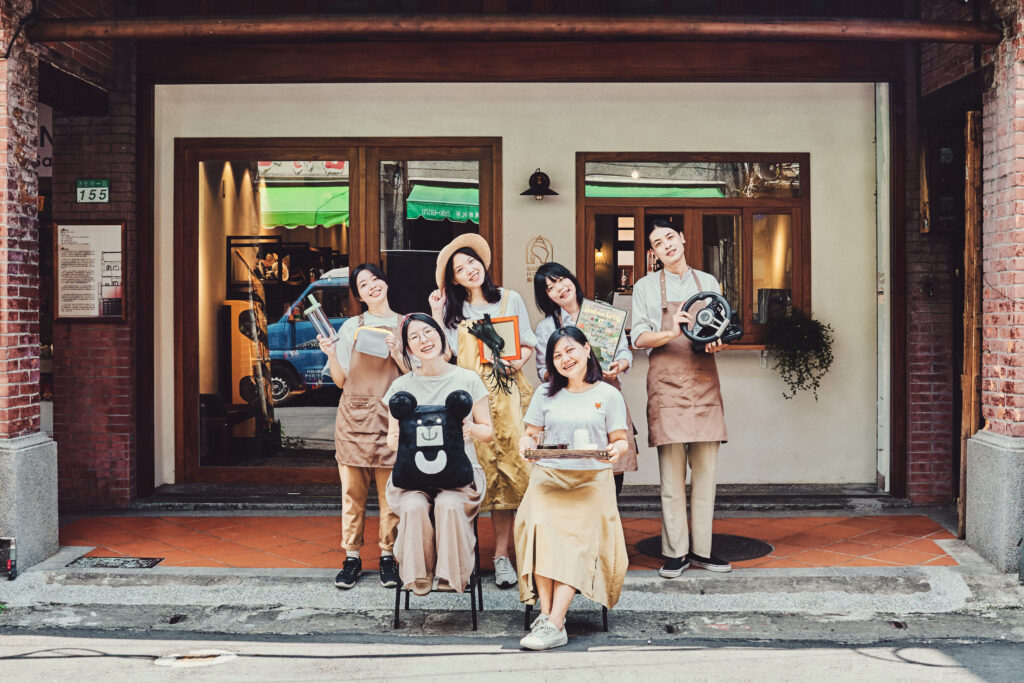
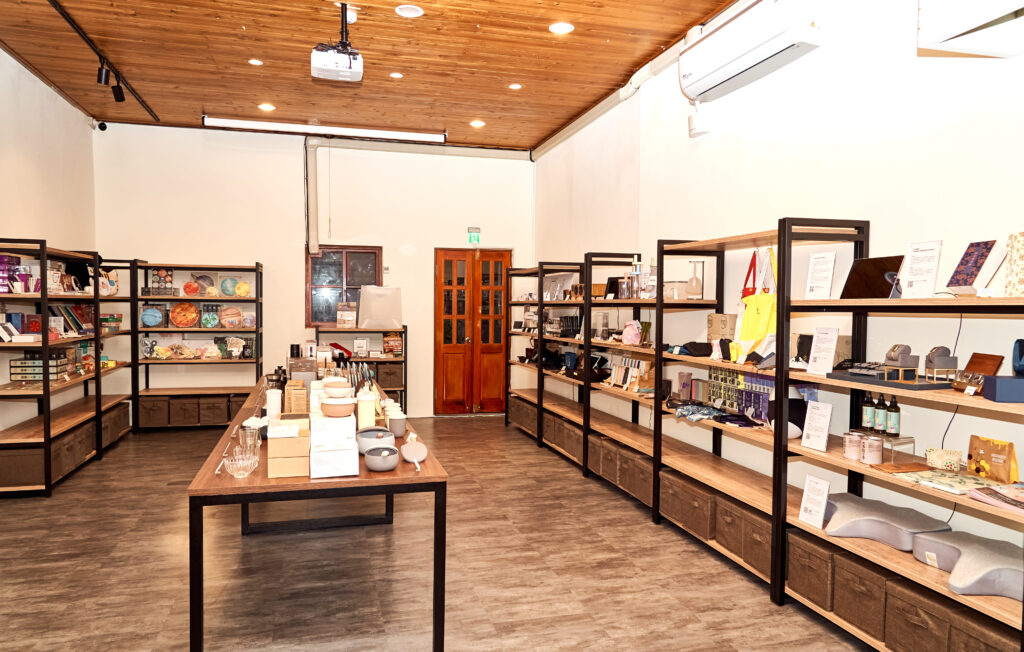
In 2022, Backer-Founder transformed Dihua Street No. 155 into an exhibition and sales space for crowdfunding brands and products, officially opening as BackerHouse, bringing new creative products, crowdfunding business energy, and fundraising events to revitalize No. 155 Dihua Street. Currently, the store showcases over 50 brands formed through crowdfunding, bringing new industrial exchanges to the historic district of Dadaocheng.

As part of the Old House Cultural Movement, revitalizing old houses through crowdfunded experiential spaces is quite a creative approach even in Taipei. Combined with Dadaocheng’s background as a once-thriving commercial district, this repurposing of old houses further extends the historical context of a neighborhood once filled with Chinese medicine shops, tea merchants, general stores, and other vendors. It further establishes roots in Dadaocheng in both software and hardware aspects through a new-era business model. This is precisely the ideal old house regeneration envisioned by the X-Basic team, which focuses on practical everyday needs while addressing the importance of preserving historical memory. We are honored to have had the opportunity to participate in the BackerHouse proposal project, helping to connect the old house with contemporary times. We watch as No. 155 Dihua Street continues to flourish, accompanying this historic district, already famous for its commercial prosperity, as it strides confidently into the next era.