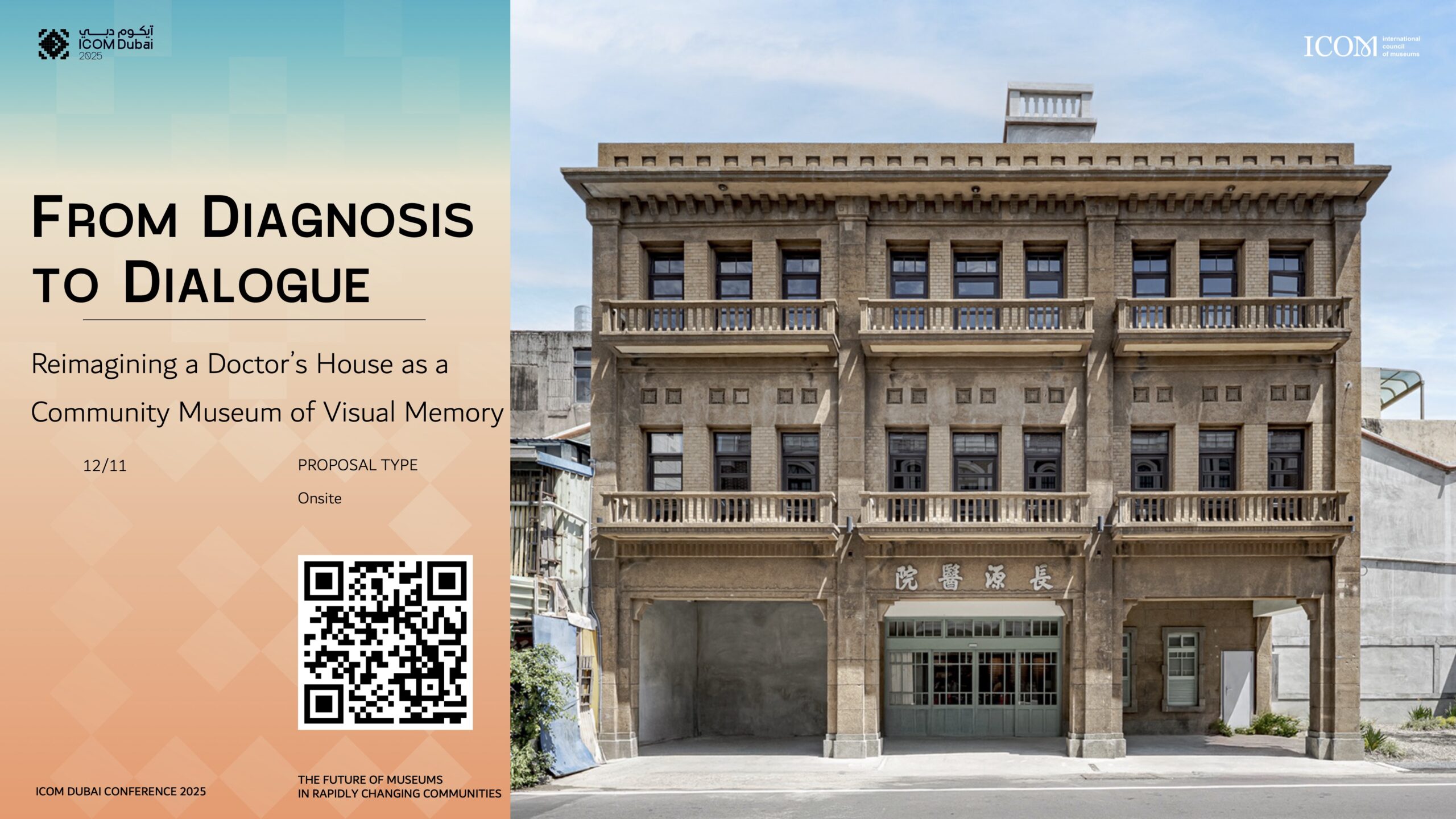
Chang-Yuan Hospital, the Historic House Museum, Responds to Contemporary Sustainability Issues: A Review of the 2025 ICOM Dubai Conference
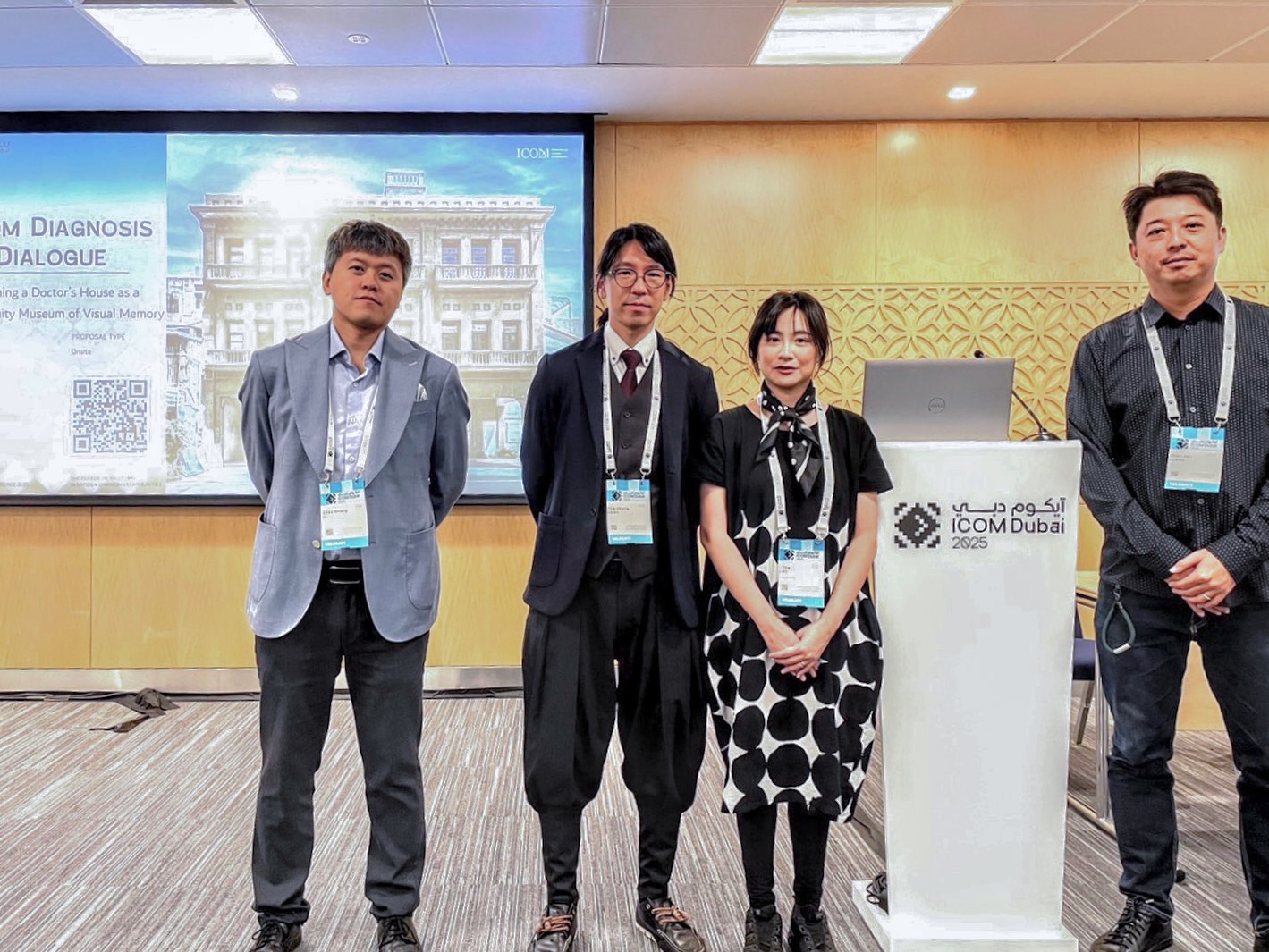
In mid-November, ICOMOS (International Council on Monuments and Sites) expert committee member – Professor Li Chao-hsiang, Chinese Association of Museums Education Committee Chairperson – Professor Lin Wen-ling, and the X-Basic team (led by General Manager Huang Chien-sen, accompanied by Director Hsiao Ting-hsiung and Manager Liao I-ting) traveled to Dubai to present a paper at the specialized forum “The House Museum as a Witness to the Contemporary World.”
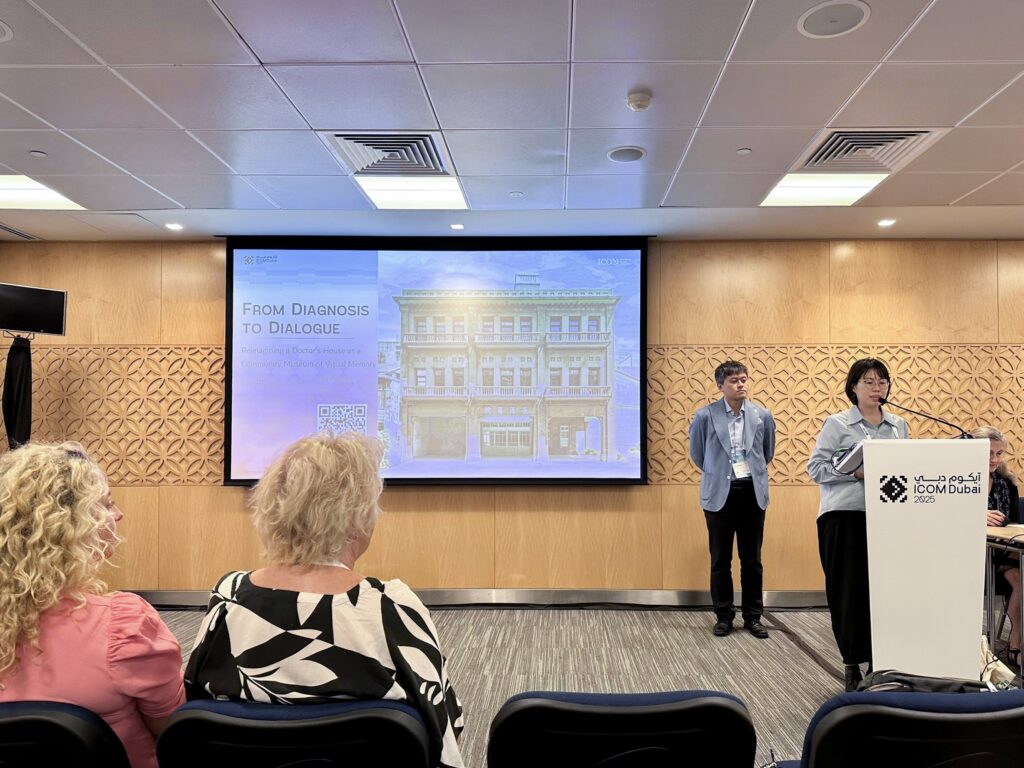
The conference gathered case studies from many countries, including Italy, Finland, India, China, Antigua and Barbuda. As Taiwan’s representative, Chang-Yuan Hospital Lukang Historical Image Museum presented a paper titled “From Diagnosis to Dialogue: Reimagining a Doctor’s House as a Community Museum of Visual Memory,” analyzing its regeneration and management approach. What made this presentation special was that the team stepped beyond the role as building restorers and shared practical experiences from the perspective of “museum management.” They explained how they extracted and translated the spirit of place from its rich cultural elements, creating a living museum that continues to interact with contemporary society.
Building a Heritage Ecosystem with the Museum at its Core
The paper, co-authored by Li Chao-hsiang, Lin Wen-ling, and the X-Basic team, presents the Chang-Yuan Hospital Lukang Historical Image Museum as a platform for dialogue between past and present. From the preservation of medical equipment and replication of consultation rooms, to light projections derived from film negatives, and to tea room designs that blend building style with modern aesthetics, this multi-layered curation not only represents tailored adaptive reuse of the existing space but also creates diverse viewing perspectives, consciously connecting cross-generational living experiences.
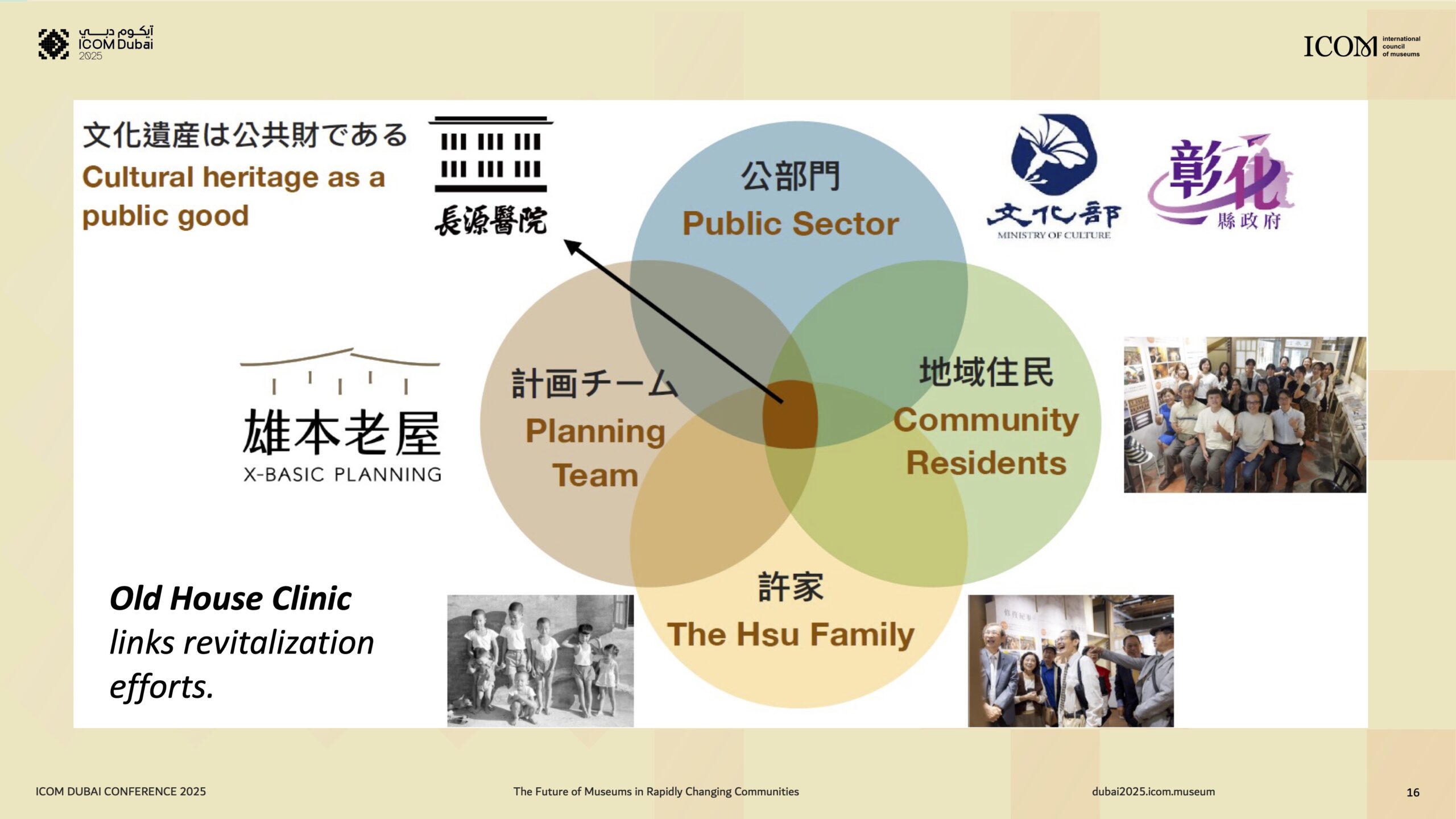
Beyond the operation of the museum, the team has attempted to establish a ‘Heritage Ecosystem’—preserving the building through the trust of the Hsu family and support from public sector projects; accumulating Management capacity through historical research and interpretive curation; and gradually deepening public awareness of cultural heritage through daily building maintenance and practical operations. The museum as a platform brings together local organizations, interdisciplinary teams, and external resources that will ripple outward, beginning from the streets and alleys of the ancient town of Lukang, gradually creating resonance across a broader cultural landscape.
The Resilience Practices of Chang-Yuan Hospital Lukang Historical Image Museum
In the context of accelerating change, the resilience of Chang-Yuan Hospital Lukang Historical Image Museum stems from the X-Basic team’s long-standing focus on sustainability issues—whether it’s the impact of extreme climate on old houses, or the effects of industrial and social changes on cultural memory. This concern is reflected in sustainable practices across economic, social, and cultural dimensions. A hybrid operational model reduces reliance on ticket sales alone and establishes a more flexible financial foundation through food services, co-branded products, and venue rentals; while the ‘Warmth Project’ allows spaces under restoration to continuously interact with the neighborhood, ensuring that the museum is firmly rooted in the local community before it reopens.
The museum not only preserves tangible assets such as building and artifacts, but also transforms intangible elements like family stories, the spirit of medical practitioners, and community relationships into the museum’s narrative framework. The Old House Hospital is a concrete manifestation of this resilience: transforming Chang-Yuan Hospital from a passively preserved space into a hub for knowledge sharing, allowing the experience of old house restoration to be inherited and replicated, empowering the broader cultural heritage community to grow together.
From Local to International: Initiating Cross-Border Cultural Dialogue
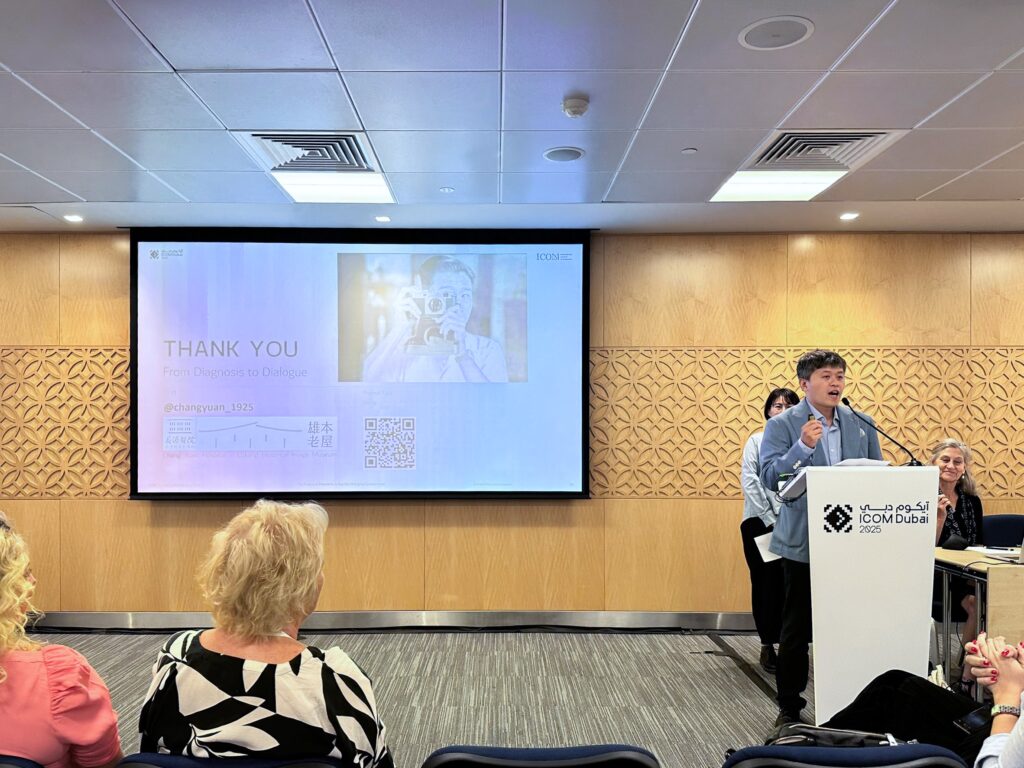
It is an honor to initiate cross-border dialogue through this paper presentation. Scholars at the event showed great interest in the team’s practical thinking and interdisciplinary integration. Among them, experts from Antigua and Barbuda raised questions that addressed two aspects of Chang-Yuan Hospital’s operational model: external professional services and partnerships, as well as internal visitor communication design.
In the discussion about how the ‘Old House Hospital’ operates, the X-Basic team elaborated on how this concept is implemented. Chang-Yuan Hospital is defined as a multi-layered operational core: it serves both as an exhibition space showcasing the results of cross-era building restoration and as an hub for the integration of knowledge on old house restoration. These two aspects complement each other, connecting craftsmen, work teams, resources, and needs, establishing a clear practical framework for the management, maintenance, and sustainable operation of cultural heritage.
Regarding interactive technology in the exhibition, the first-floor permanent exhibition area combines cross-section displays of the old house with a rotary-dial telephone setup. This invites visitors to dial and listen to spatial stories, systematically translating the complex architectural history across time and space into intuitive experiential installations. It is this practical and meticulous approach that addresses the shared concern of attending scholars: how to transform private heritage into a more public-facing communication platform that continuously builds and engages relationships with different groups in the contemporary world.
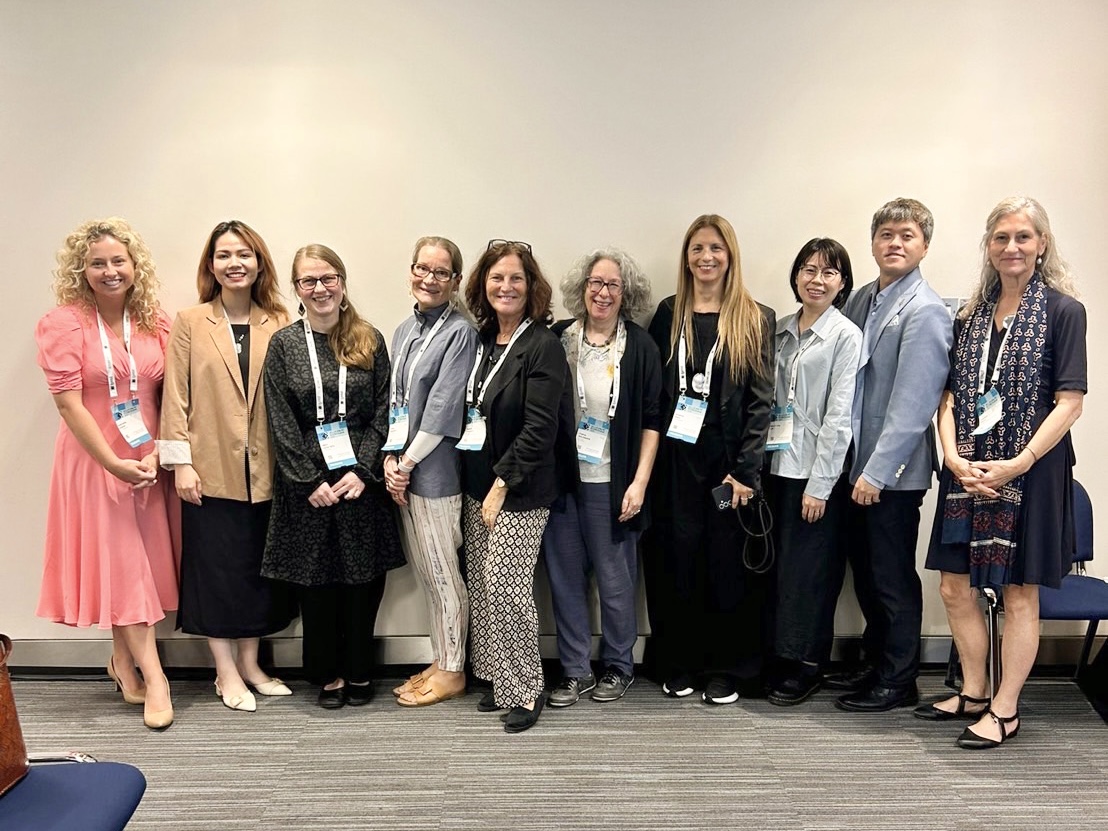
The ICOM committee member’s comment that ‘Not Frozen By Nostalgia’ is not only an affirmation of the team’s presentation but also points to the revitalization methodology supporting it. From diagnosis to dialogue, the regeneration of Chang-Yuan Hospital Lukang Historical Image Museum is formed by the convergence of four aspects: the family’s 25-year-long commitment to collaboration, the co-creation efforts of public and private sectors, the deep engagement of local community, and forward-looking sustainable design. Beyond its role as a historic house museum, it also illuminates a practical and people-centered path for the revitalization of diverse cultural heritage sites with different backgrounds.