EN
ZH
JA
Copyright © 2025 X-Basic PLANNING Ltd.
archive

Heart of the Southern City – Taichung Local Cultural and Artistic Creation

Beyond assisting with the renovation and preservation of old houses, the X-Basic Planning team is deeply concerned with the revitalization and development of urban spaces. With Taichung as their base, the team is particularly full of anticipation and enthusiasm for the next steps in Taichung’s urban vision. In March 2022, the X-Basic Planning team was invited by the Taichung Urban Development Bureau and landscape consultants to collaborate as a participatory design team in the “Heart of the Southern City” project. This initiative focused on the eastern and southern districts of Taichung, areas long overlooked due to complex traffic issues, to launch an “aesthetic awakening” community co-creation initiative before new construction began. During the process, they worked with nearby Guoguang Elementary School and Dongfeng Junior High School to organize workshops. The purpose was to enable designers and actual users to understand each other’s ideas and needs through dialogue and exploration of various media, jointly completing works suitable for the users.

To help balance the industrial economy, culture, and leisure in the eastern and southern districts, the “Heart of the Southern City” project will connect surrounding educational venues and green spaces. The scope encompasses the cultural corridor platform area near Xingda Road at Guoguang Elementary School, the ecological teaching area along Guoguang Road, and the Melaleuca Plaza at the intersection of Renhe Road and Qizhong Road at Dongfeng Junior High School.

Implementing community-based participatory co-creation during the construction phase of public landscape projects is not a simple task for any city’s redevelopment. This approach not only represents the gradual establishment of social engineering foundations behind the hardware infrastructure, but also focuses more attention on local users—leveraging the role of “people.” This is precisely the relationship between city and people that the X-Basic Planning team envisions, and they are fortunate to be part of it, contributing to the revitalization of Taichung’s eastern and southern districts.

During the workshop, the X-Basic Planning team invited plant artist Ms. Chen Xingfen (Flower Grandma) and Ashe and Mite from Liye Tea Pottery Studio to conduct “space observation” activities with teachers and students from Guoguang Elementary School. Together, they imagined potential feelings and issues in different scenarios, establishing preliminary spatial concepts. Next, they connected each student’s spatial observations using mind maps, creating “spatial scripts” that presented proposals integrating everyone’s ideas. Finally, they applied materials like styrofoam, pebbles, aluminum foil, bamboo skewers, and building blocks to create “spatial models,” translating their proposals into physical works and completing the journey from observation to presentation.

Students from Dongfeng Junior High School also participated in a plant impression ceramic board workshop, where they learned about the ecological landscape around their campus and selected different plant branches, leaves, and fruits to create unique ceramic boards. These ceramic boards will eventually be placed beside landscape stone benches, where they will serve as a feature of the campus that showcases achievements in aesthetic education while giving students a sense of participation in campus renewal. Beyond their role as students, Dongfeng Junior High School teachers also changed perspectives, imagining themselves as various campus characters such as ecology course teachers, students, and campus maintenance staff, to consider and observe the site from different viewpoints, developing ideas for space design and landscape furniture based on actual needs.

The students’ proposals contained many imaginative and creative ideas, while the teachers’ observations of the surrounding site were quite detailed and nuanced. The team assisted in documenting and compiling the results of each phase, comprehensively considering the building materials and design circulation patterns to be used in the actual construction. This ensures that the future campus spaces belonging to Guoguang Elementary School and Dongfeng Junior High School will bear testimony of collective participation, while also being truly appropriate for everyday use.

Curved Lane Winter Sunshine – Changhua County Old House Revitalization Project

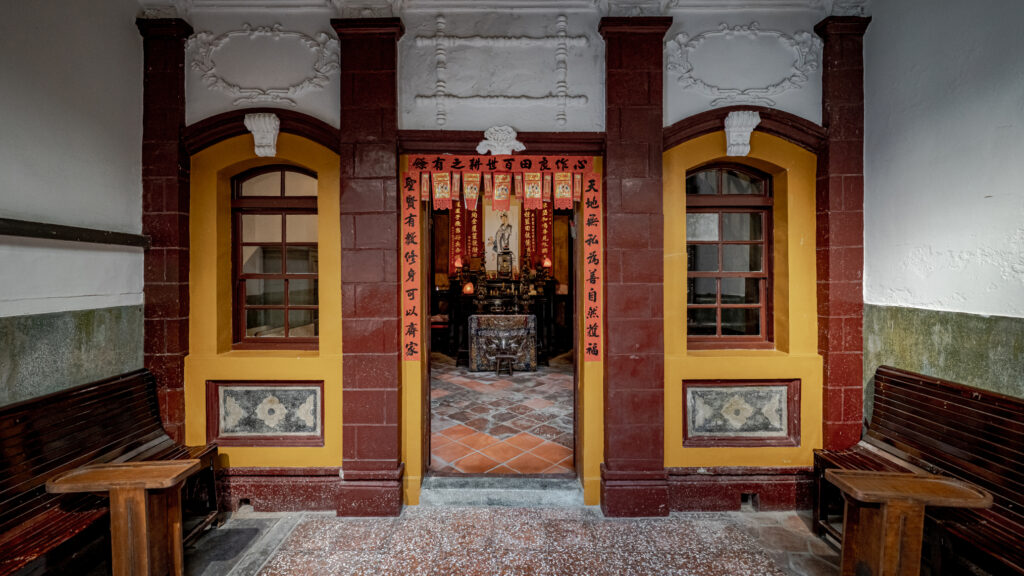
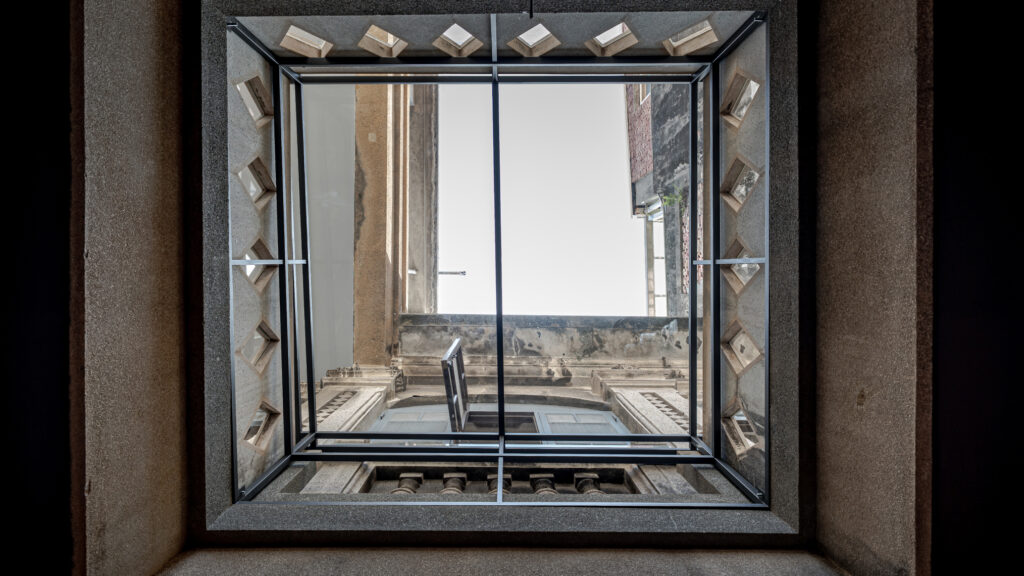
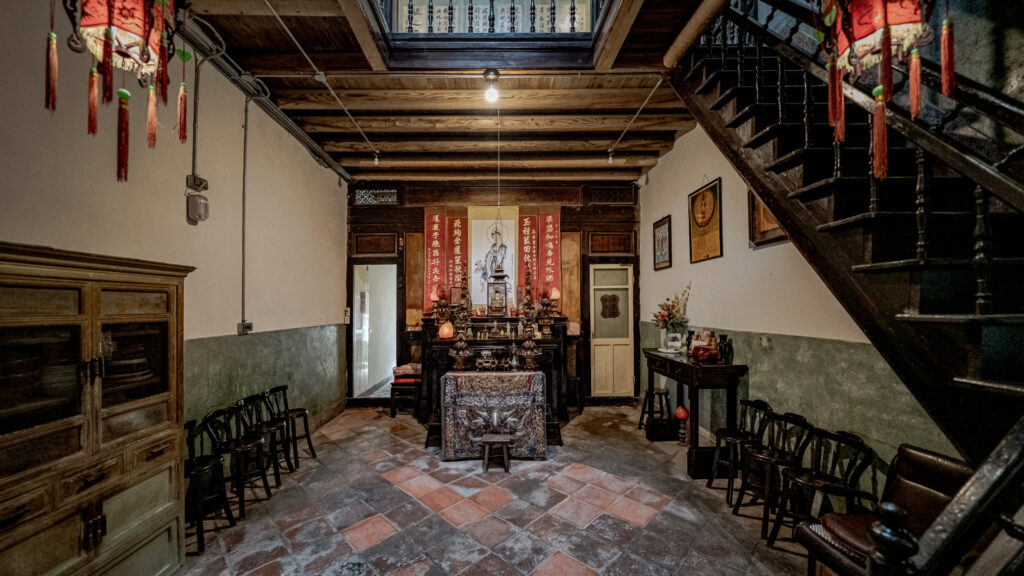
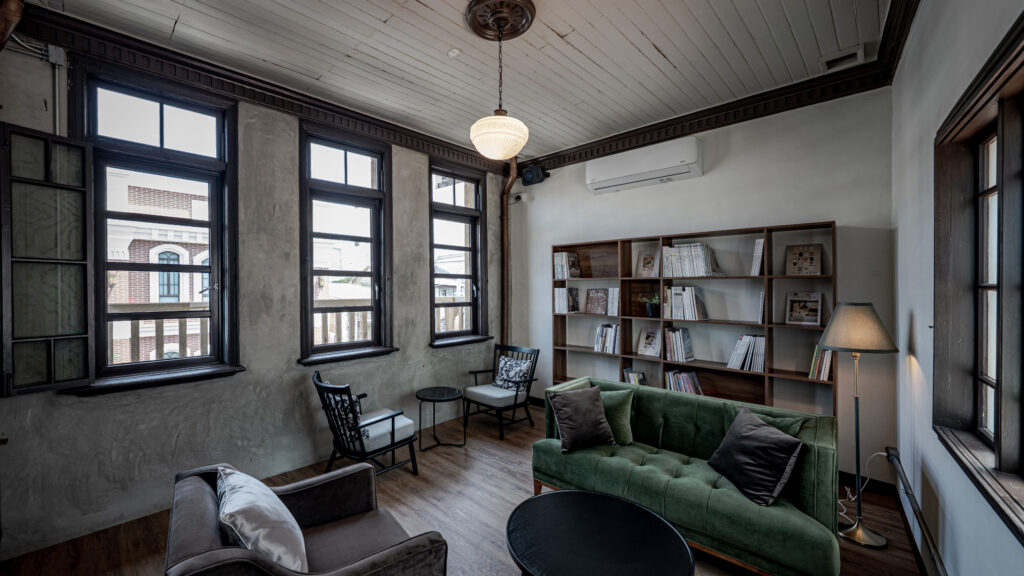
About two years ago, our small team received a special project for preservation of an old house. After preparation, renovation, and reorganization, it finally blossomed in spring this year. We now have our own old house bed and breakfast—”Curved Lane Winter Sunshine (Sukina B&B No.1)”. Located at No. 52 Jinsheng Lane within Lukang’s Nine Winding Alleys, it was formerly a Han-style old residence abandoned for over twenty years. With considerations for optimal spatial planning, we preserved the original features of the old house, such as hexagonal bricks, wooden round beams, and red brick walls. We repaired deteriorated parts, added steel frames to support the new structure, and introduced natural light, overcoming the typical lack of illumination in alley houses. We provide comfortable and distinctive accommodation experiences for travelers who appreciate old houses.

Old House Revitalization Challenge

“How can I properly repurpose the old house left by my elders?” The current owner who lives elsewhere raised this question with palpable anxiety coming from the dilemma of not knowing how to evaluate and utilize the renovated old house in the future.

Imagining they might not be able to plan the future of the old house comprehensively, yet concerned that merely handing over the restored space to others might lead to worries about proper care and utilization of the old house’s cultural value, they faced the layered dilemma that “neither renovating nor leaving it alone seems right.”

Planning Integration, Transformation and Renewal

In other words, although homeowners have the desire to preserve their family’s old house, they often cannot find appropriate solutions that address both ‘restoration’ and ‘adaptive reuse’ planning simultaneously. During the process of searching for solutions, our X-Basic Planning cross-departmental team’s professional ‘integration’ capabilities provides assistance, offering homeowners direction to solve this core problem.

From inspections of old houses, historical research, architectural repairs and interior design expertise, to evaluation planning and guidance on relevant government support and subsidy policies, we not only provide design planning for hardware renovation, but also focus on software aspects such as operation planning for reuse, assessment and implementation. This ensures that transformed old houses not only change spatially, but also connect with the times and maintain sustainability in their vibrant new uses.

We hope that at Jinsheng Lane 52 ‘Curved Lane Winter Sunshine,’ we can create a restful and comfortable home for travelers who appreciate old houses. The winding Nine Curves Lane blocks Lukang’s winter winds, keeping its houses warm as spring even in winter. One can enjoy the shade under a Chinaberry tree, looking up at green leaves against a blue sky, drink tea and soak in a hot bath in the backyard, or warm up with a drink by the fire in winter.

The ‘transformative renewal’ of local old houses is not easy. We hope that the comprehensive solutions we’ve discussed and implemented with homeowners can bring contented smiles to more people. Finally, we always say that a house with people has light. Lukang Curved Lane Winter Sunshine awaits your visit to experience the renewed charm of this transformed old house.

Chang Yuan Hospital – Preservation and Regeneration Project of Old Building

Old Houses and Objects That Carry Memories

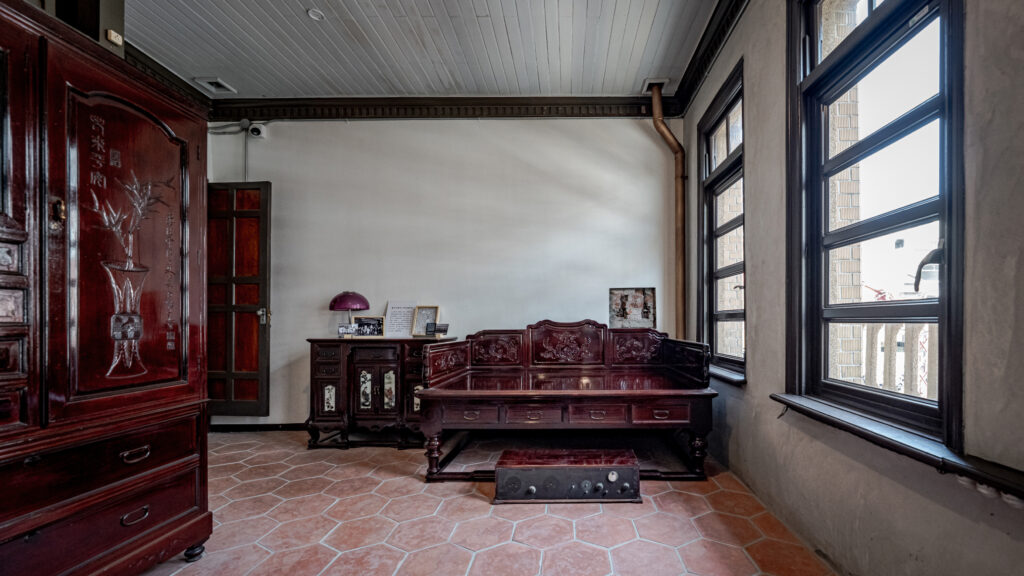
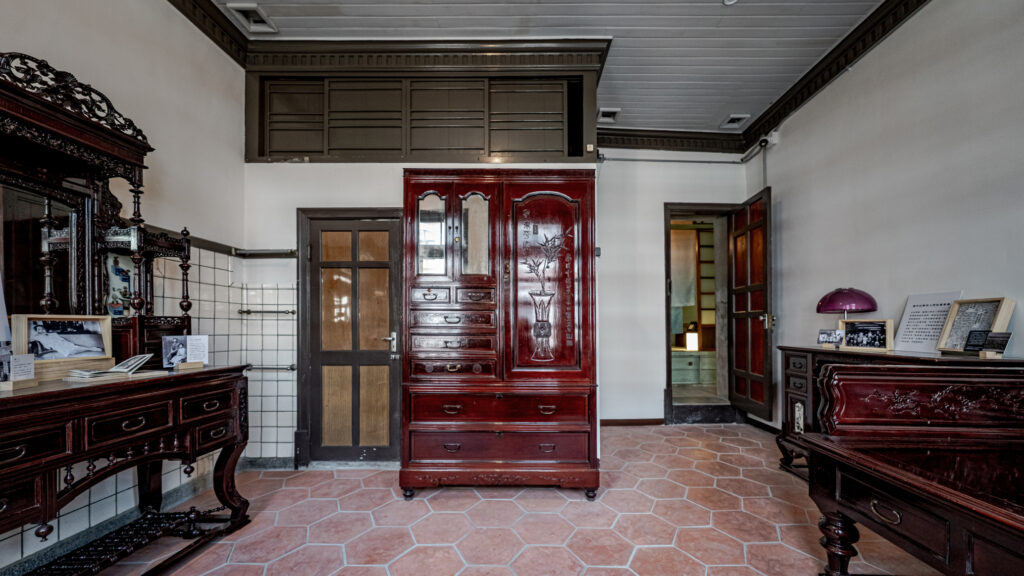
“When items are piled in corners for a long time and forgotten, their original value disappears gradually, and they eventually become waste that just occupies space.” While sorting furniture and taking inventory of past events, Dr. Xu Zhengyuan, the fourth-generation owner of Chang Yuan Hospital, expressed his feelings about the reluctance to discard old items, and was grateful that someone still cares about this old building and its history.

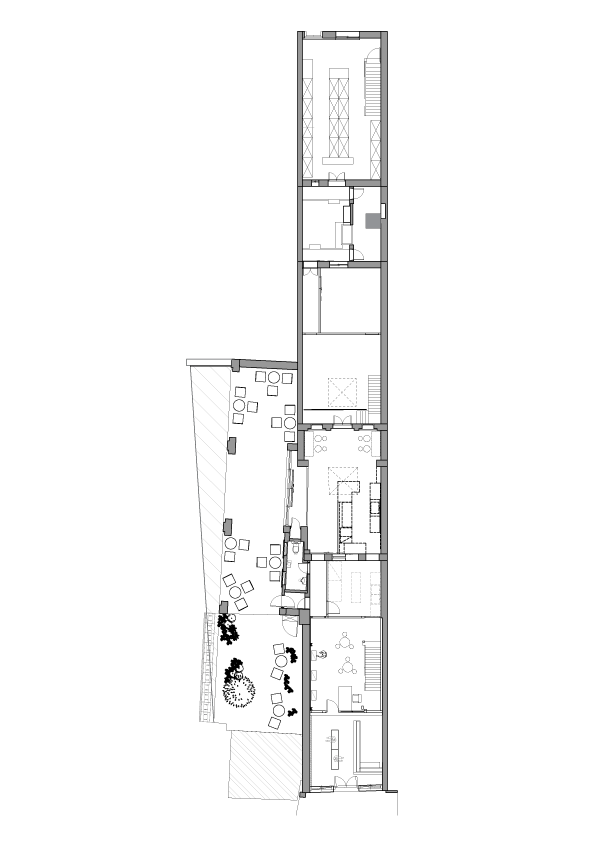
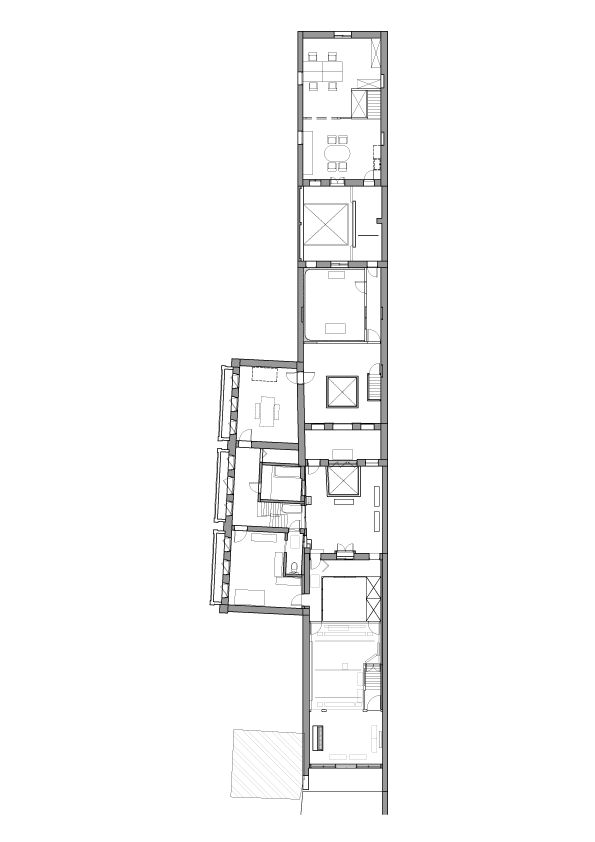
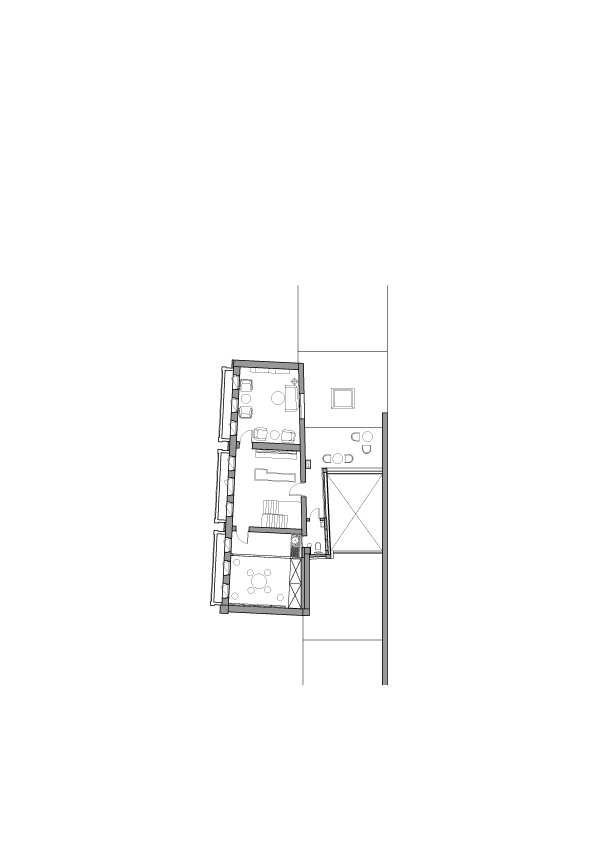
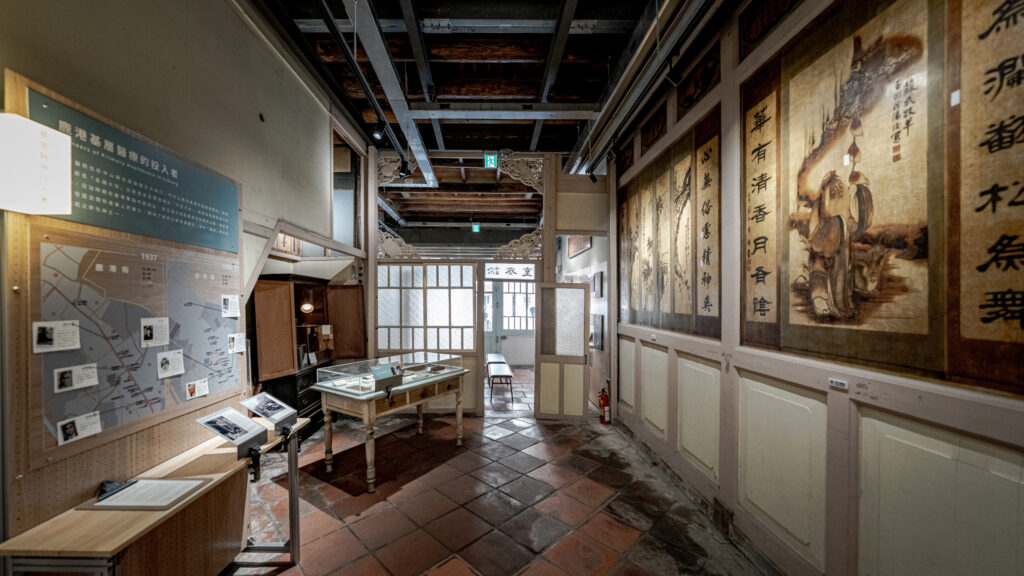
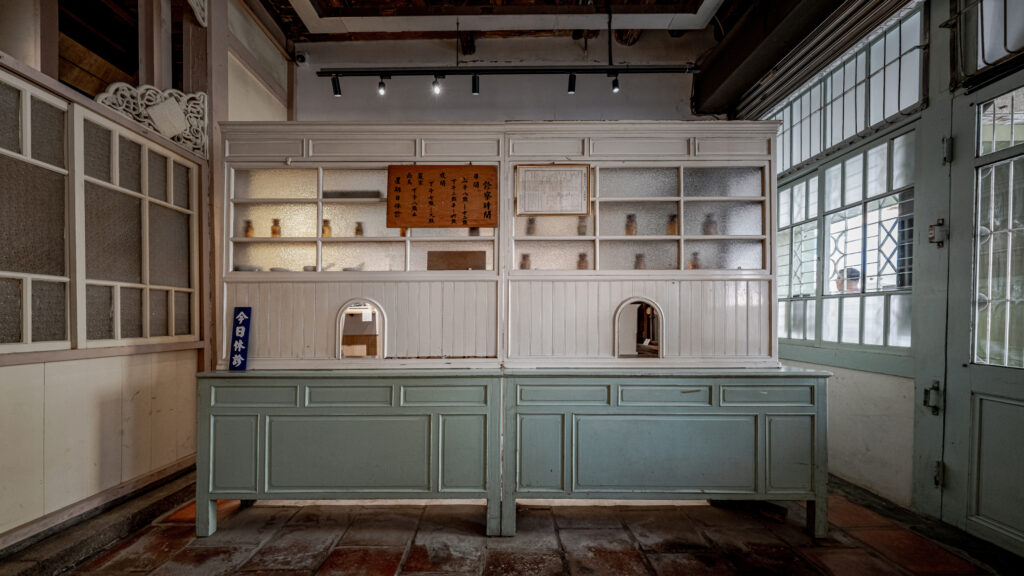
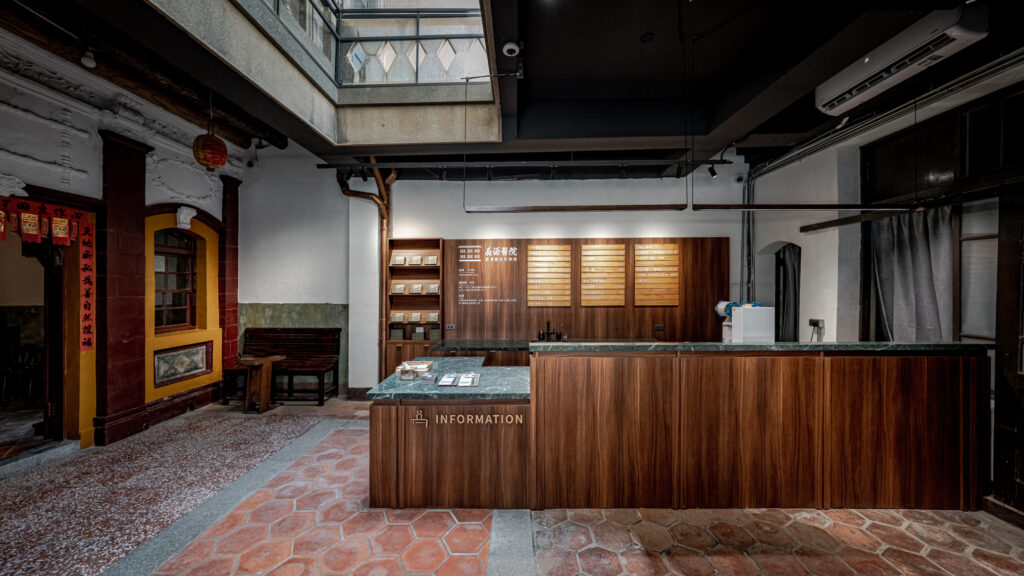
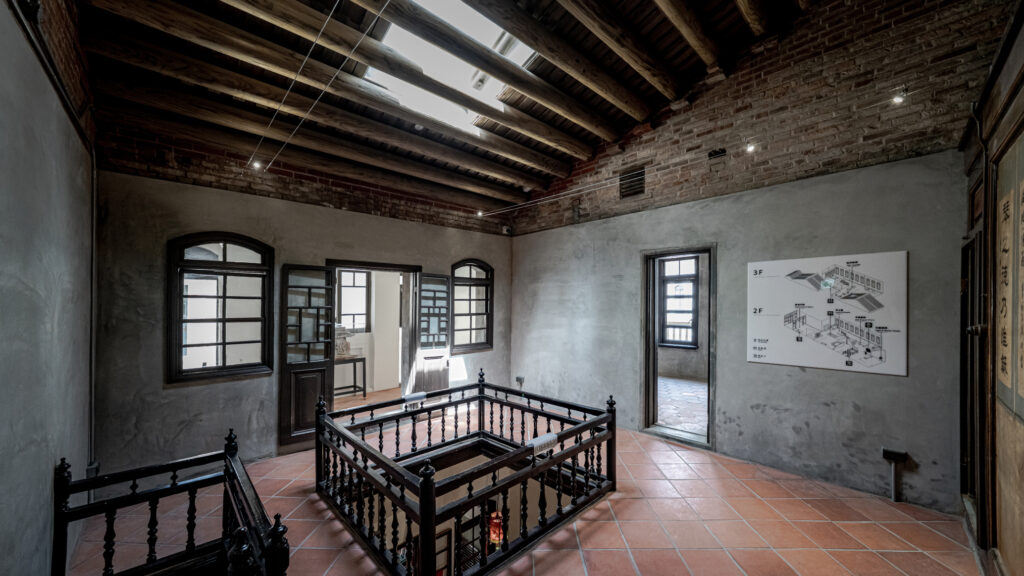
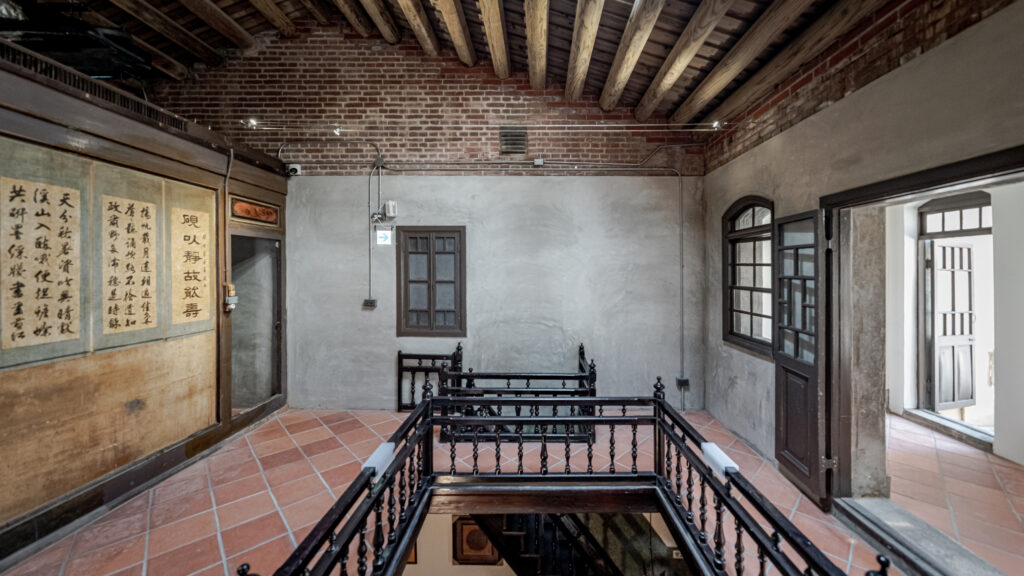
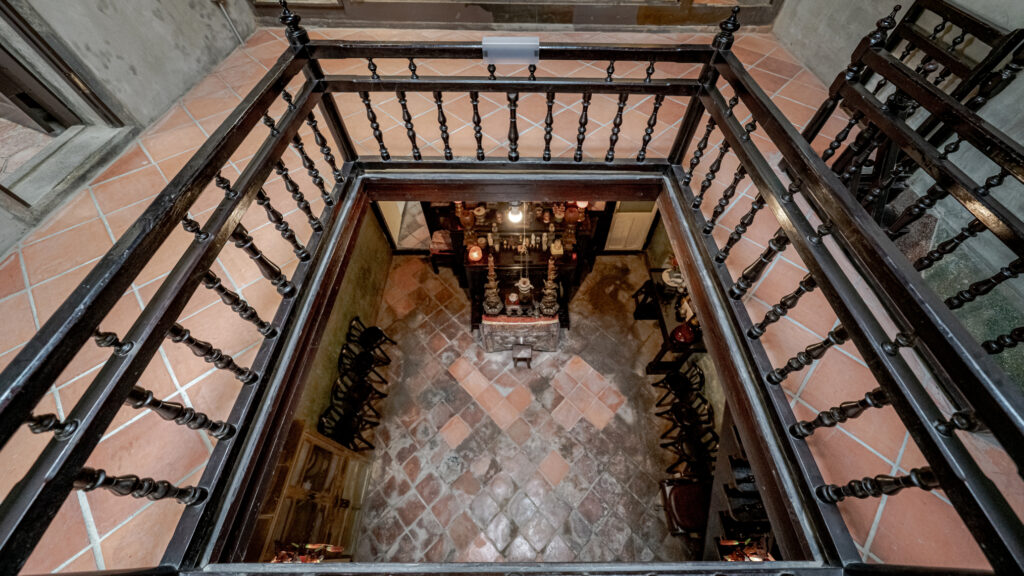
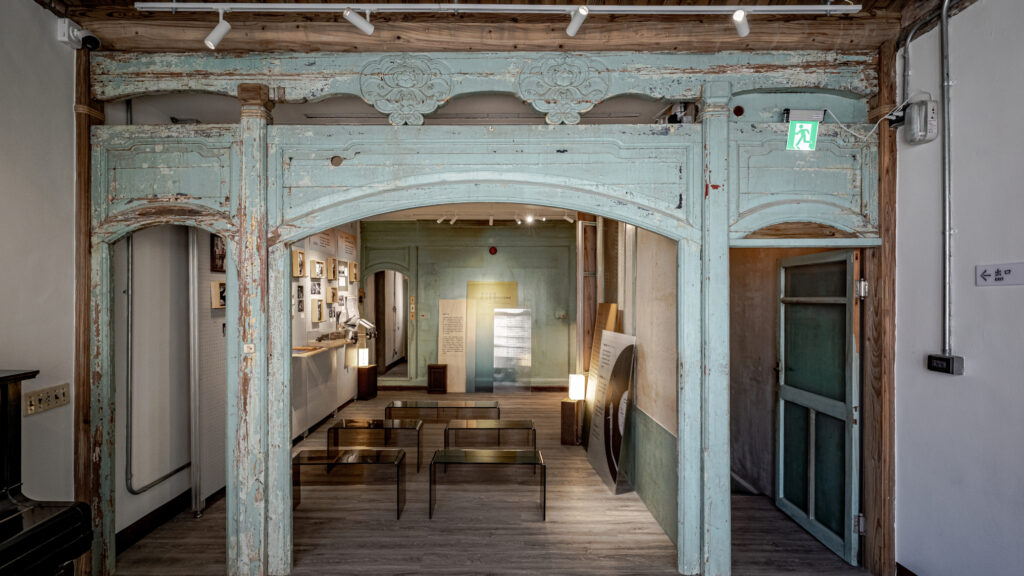
Before the restoration work of Chang Yuan Hospital commenced, X-Basic Planning helped the owner package and preserve the cultural artifacts, retrieving long-forgotten memories from the river of time. During the renovation process, structures that were originally decayed, buried, or even dismantled were restored to their original appearance through historical image research. The old house and its antiques thus shook off dust and returned to their former glory in the bustling neighborhood, weaving together with the historic Yuzhen Zhai building across the street to form Lukang’s landmark intersection.

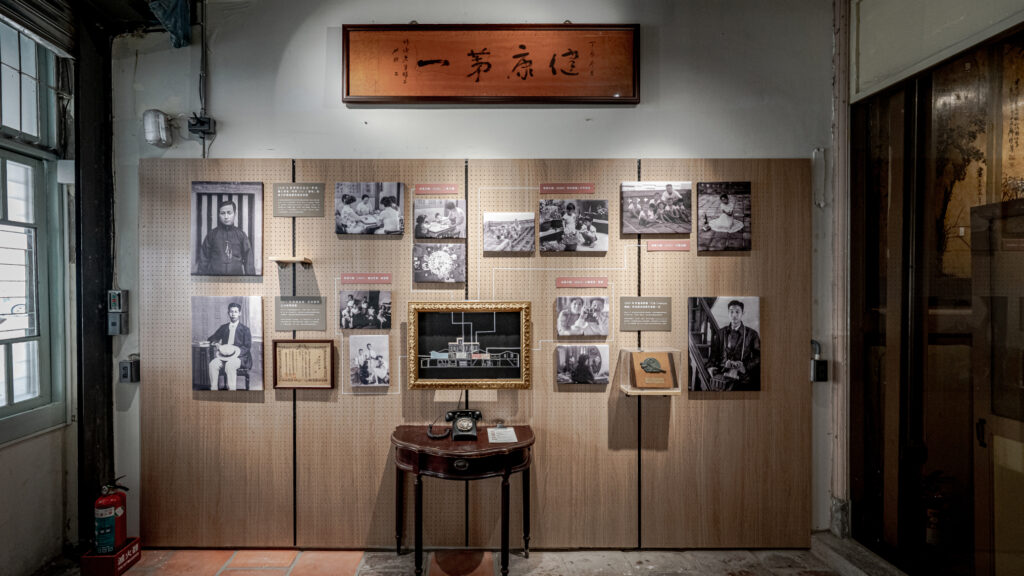
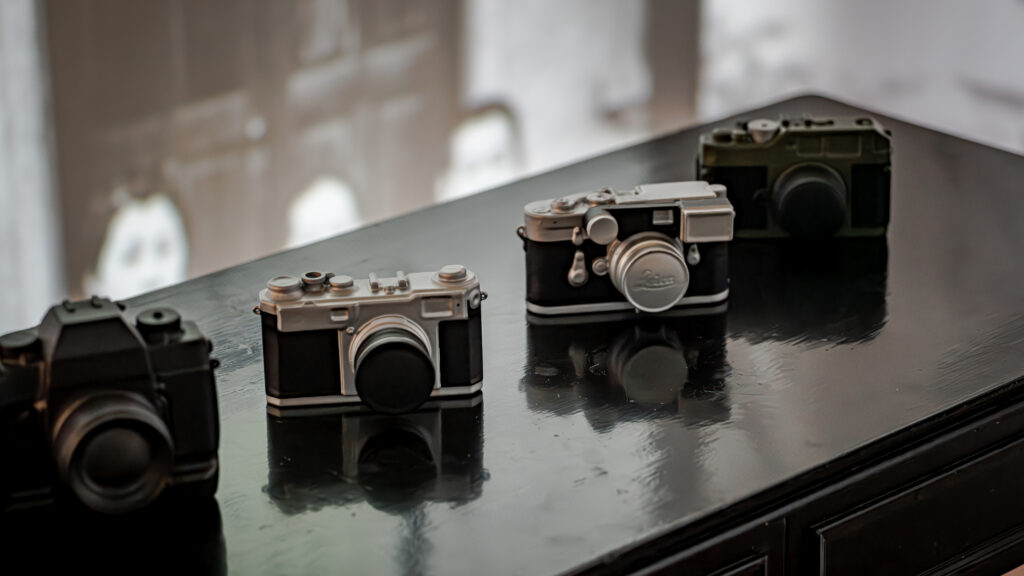
In 2020, the cultural artifact repository of Chang Yuan Hospital displayed old furniture and items transported from the old building. During the documentation and organization process, Dr. Xu Zhengyuan discovered many old photographs and materials left by his father, and while conducting inspections on artifacts, he reminisced about his childhood, finding the first watch he wore during elementary school. After half a century, the watch band retains elasticity, and the unpowered hands seem to have frozen in time. As the solidified time warms up on his wrist, Dr. Xu’s smile softens as he shares with team members the excitement of wearing a Plum Blossom watch in his childhood.

New Discoveries Under the Metal Roof

In contrast to the intact Mido watch, the Chang Yuan Hospital that has protected these old items through the long years has gradually developed serious problems such as water leakage, termite infestation, and wall bulging. With no other options, Grandmother Xu (Ms. Shi Xiuxiang) could only ask workers to cover the roof with steel plates to block the rain, temporarily alleviating the issues of building maintenance.

Although this blocked rainwater from leaking through the ceiling, the humidity of Lukang still seeped in everywhere, causing the ends of the wooden circular beams in the Minnan-style shophouse to rot, attracting termites to build nests. The restoration team’s original plan to replace 30 wooden beams had to be adjusted to 70 beams after removing the metal sheets and examining the actual structural conditions. The restored brick walls and wooden beams were thoroughly waterproofed to effectively extend their lifespan; while the white lime gutters on the roof that had weathered and collapsed were reconstructed using modern methods with stainless steel materials to improve drainage functionality.

Besides reassessing the extent of building damage, the restoration team also made many surprising discoveries during the construction work.

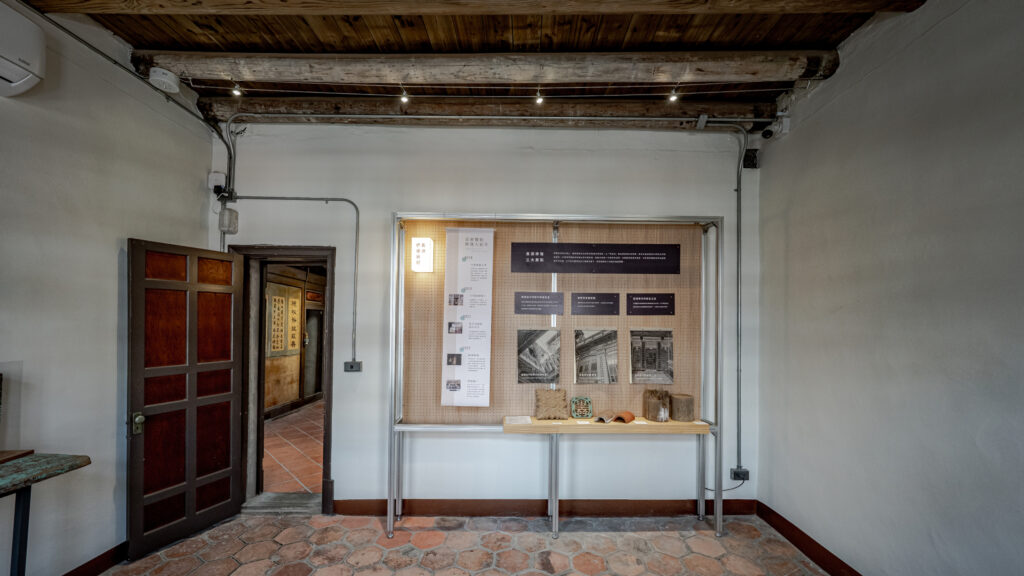
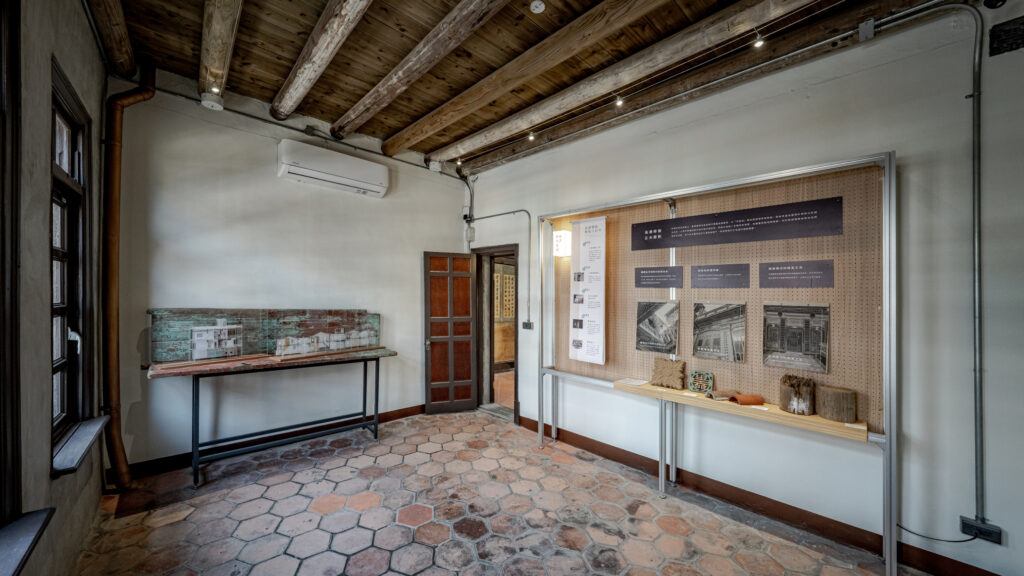
After the metal sheets on the main ridge of the roof were removed the decorative elements wrapped within them saw the light of day again. The delicate openwork brick patterns and relief designs not only symbolized the blessings of ancestors for the family but also showcased popular decorative elements from the period of construction. To preserve these precious patterns, the team used 3D scanning technology to digitize the architectural details, using this as a basis to rebuild the roof ridge; the originally fragile structures were evaluated, removed, and presented as exhibits, inviting the public to appreciate the details up close during the completion exhibition.

Recreating Architectural Features with Film Negatives

Lukang’s rainy summers and windy winters necessitated the formation of the distinctive ‘Covered Streets’: Vendors on both sides of the street built continuous ‘street pavilions’ stretching for miles, with brick platforms on top that allowed pedestrians to walk and gather together. Although the covered streets were demolished during the 1934 urban correction process, old photographs left by local residents on their rooftops became important reference materials in the building survey.

Following Grandma Xu’s oral accounts, the restoration team found multiple areas of old, damaged brick platforms on the front facade of Chang Yuan Hospital, in the water passages between the second and third sections, and on the rear sloped roof. After comparing them with old photographs and historical data, the team inferred these were extensions of the street pavilion structure. During the project, they relaid the floor tiles and also restored the old chimney in the water passage area.

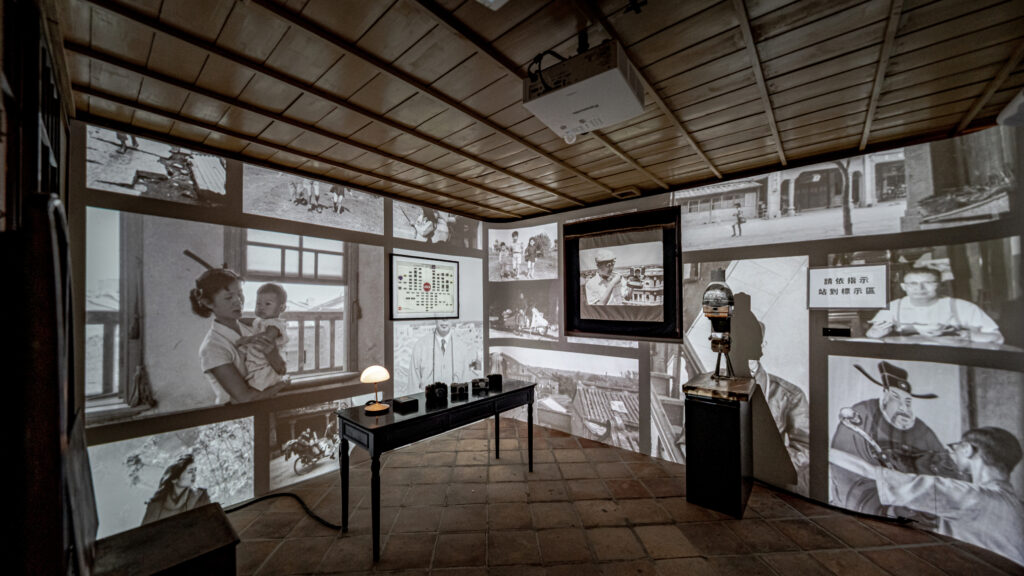
Through historical photographs, we can not only have glimpses of the past architectural design of Chang Yuan Hospital but also review the everyday life of Lukang residents—this is precisely what the regeneration of old buildings achieves. “When architectural spaces from different periods are no longer demolished due to deterioration, history naturally integrates into daily life, becoming part of the urban landscape.” As X-Basic Planning’s chief consultant Pei-Juan Hsieh observed about Chang Yuan Hospital, those once-vanished memories and architectural structures are details that shape local culture, reestablishing connections with modern life through processes of rediscovery.

The water passage area between the second and third sections of the Hospital’s Minnan-style shophouse was once covered with corrugated metal sheets.
After the restoration project, the roof was newly covered with tiles and floor bricks, and the original chimney was restored to its former appearance.