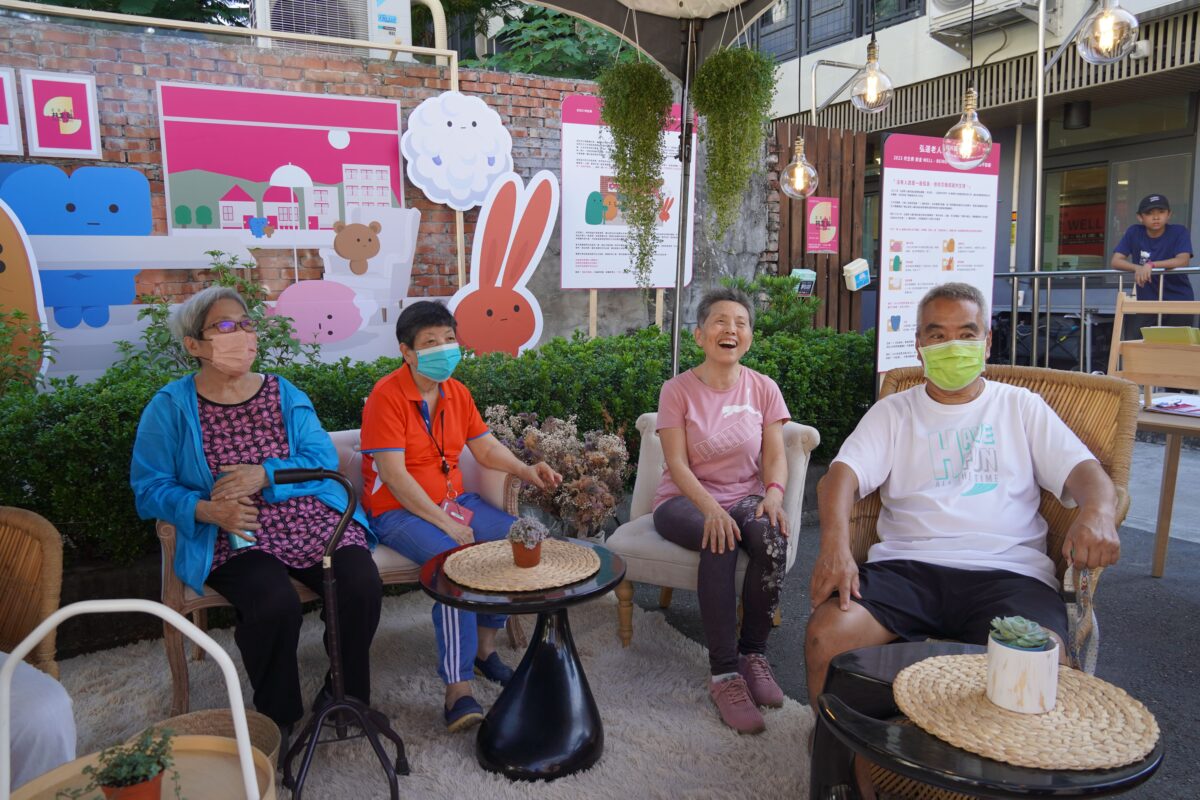
This summer, the X-Basic Planning team received an invitation from Mr. Lin Cheng-Yi of Lin Office to visit Kaohsiung and participate in the preparation workshop for the first ‘Symbiosis Festival’ with partners from the Hondao Senior Citizen’s Welfare Foundation in Cianjin District. The Symbiosis Festival aims to advocate the concept of ‘community symbiosis,’ with special focus on Kaohsiung’s first social housing project ‘Datong Social Housing’ and the ‘Lintou Living Room’ operated by Hondao partners, connecting with the historically significant ‘Shengwang Lane’ corridor to showcase the achievements of the ‘symbiotic community’ implemented in this area.
The X-Basic Planning curation team translated the workshop’s discourse and opinions, integrating the principles of ‘mutual assistance, reciprocity, and interdependence’ that characterize ‘symbiosis’ with the concept of ‘holding hands, bonds, and collaboration.’ Using the character ‘互’ (mutual) as the foundation combined with the imagery of ‘big hands holding small hands,’ they designed the main visual logo for this event.
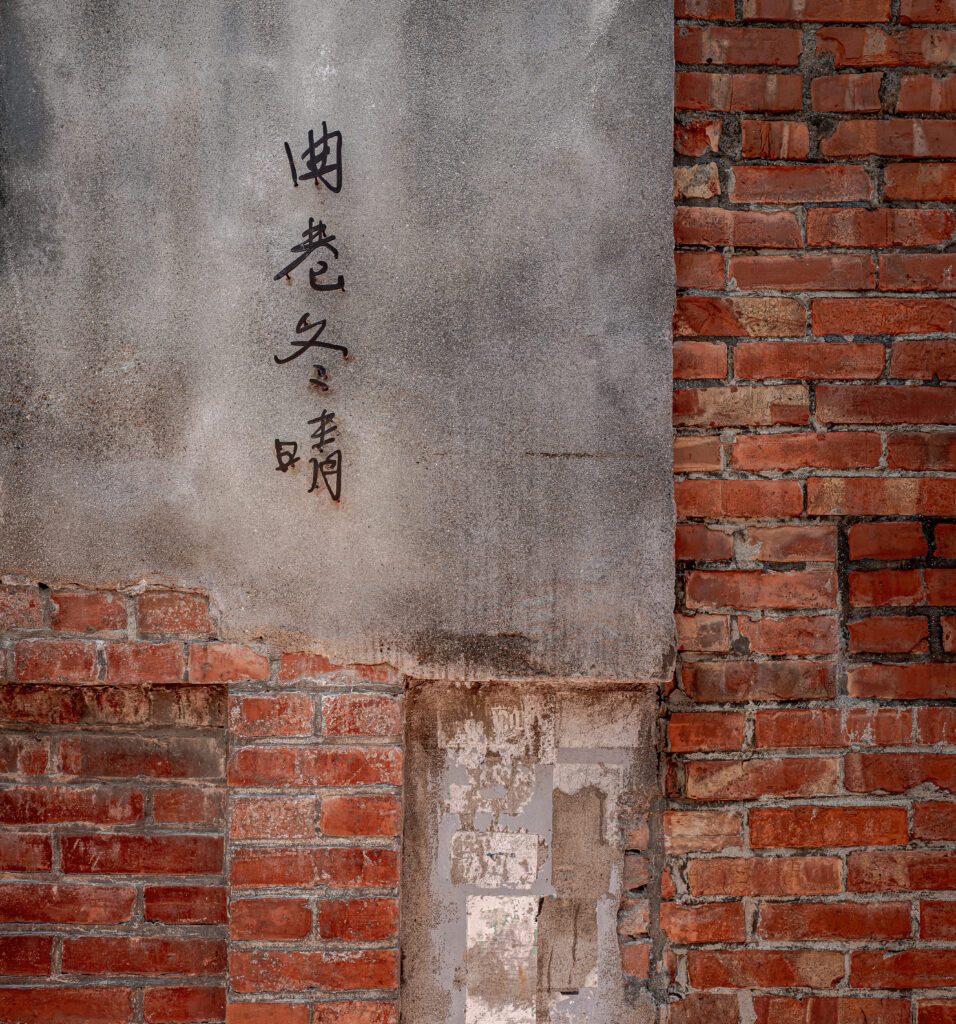
After Mr. Lin Cheng-Yi helped us in conducting field research in the surrounding community and organizing multiple trilateral discussion workshops, all participants in the discussion agreed that the inaugural ‘Symbiosis Festival’ should be presented in the form of a ‘street exhibition.’ The X-Basic Planning team conducted multiple site surveys of the local community, arranging the exhibition locations and routes for the ‘Symbiosis Festival’ from the perspective of professional space planners. Through an integrated mechanism design and the map included in the ‘Symbiosis Passport,’ they connected various exhibition areas scattered throughout Cianjin Lintou Village, such as Datong Social Housing, Hondao Lintou Living Room, the local old settlement of Shengwang Lane, and Cianjin Kindergarten.
X-Basic Planning specializes in historical research and restoration of old houses, while also revitalizing old buildings and neighborhood environments through exhibition curation and interpretation. During the preparation period for the ‘Symbiosis Festival,’ the curation team conducted multiple surveys of ‘Shengwang Lane,’ hoping to preserve and present the characteristics and lived experience of the old settlement in the exhibition. While respecting the original community context, they introduced fresh elements through ‘micro-transformation of the neighborhood,’ infusing new vitality into residents’ daily lives and bringing new imagery to their lifestyle. Visitors to the exhibition were enabled to understand the old settlement of Shengwang Lane while also experiencing the local vitality and the future possibilities of the old settlement.
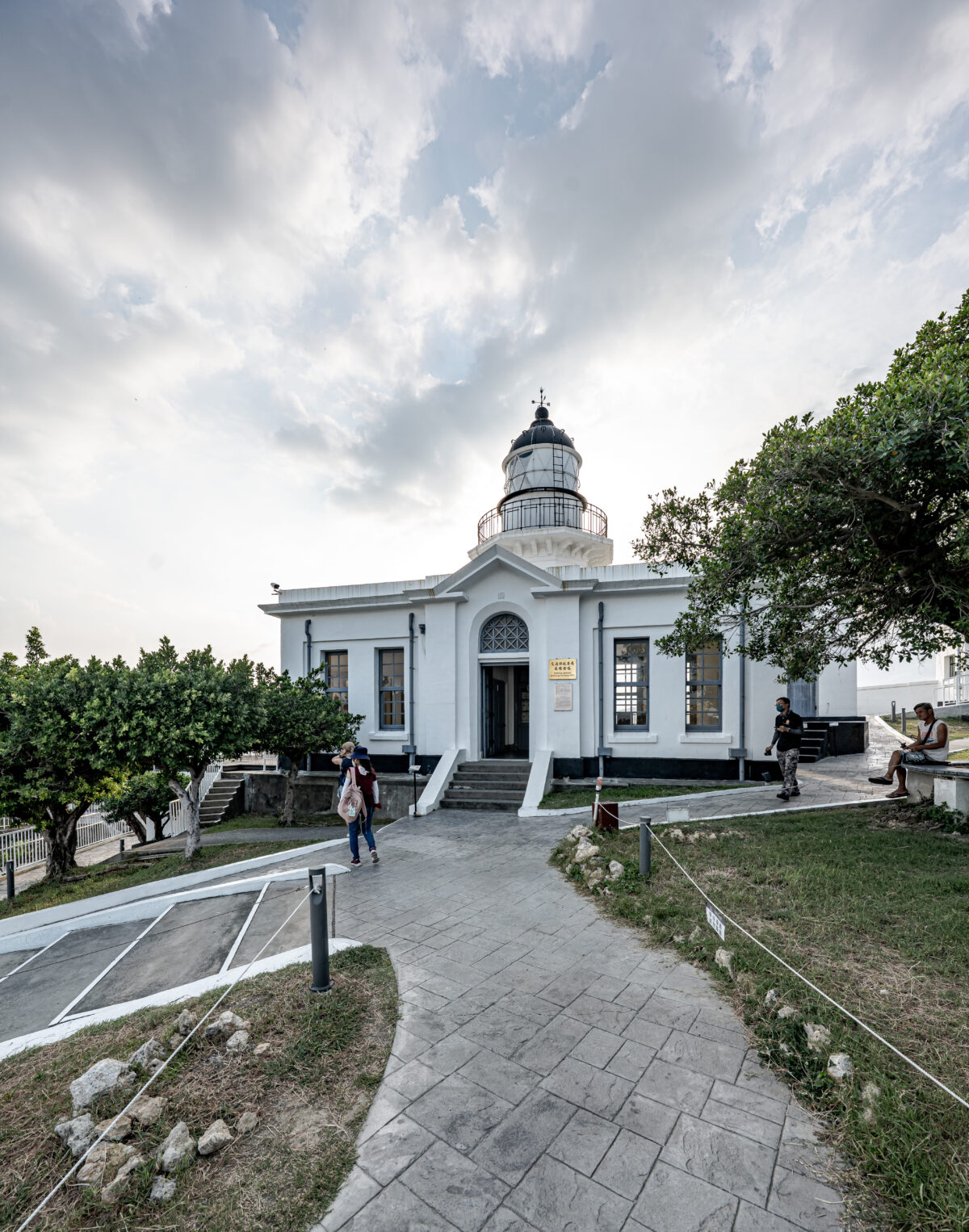
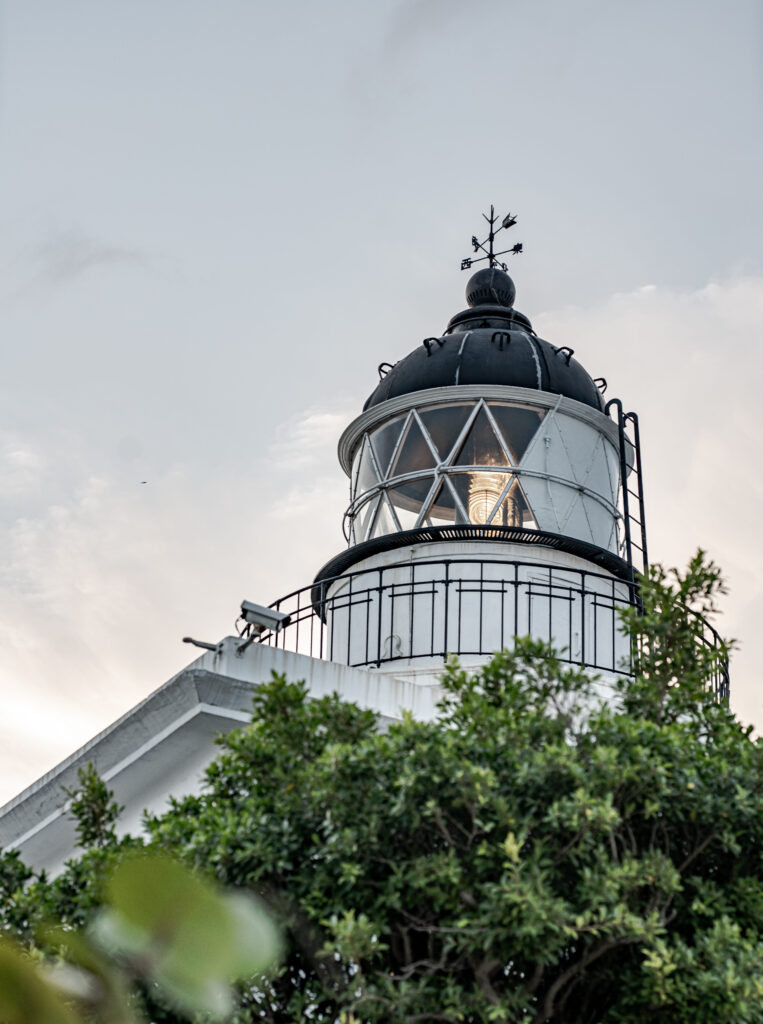
Kaohsiung Lighthouse Revitalization Launch! X-Basic Planning and Siao Ben Aiyu team were commissioned by Kaohsiung Port Land Development Co., Ltd. to revitalize the century-old Kaohsiung Lighthouse. The Kaohsiung Lighthouse has long stood on Cihou Mountain, guiding vessels back and forth, and yet it has remained somewhat inaccessible for the public. How to revitalize this sensitive facility, integrate local characteristics, and transform the lighthouse into a local tourist attraction through a ‘regional revitalization’ mindset has been one of the challenging issues the team contemplates continuously.
The team carefully examined Cijin’s local DNA, constantly engaging in dialogue and communication with local youth, teams, and public and private sectors, exchanging ideas with each other. Our vision for the Kaohsiung Lighthouse, an important cultural heritage of Cijin, is not just to redevelop it as a tourist and leisure attraction, but to preserve it as an important base that carries local characteristics and drives local energy.
Current view of the Kaohsiung Lighthouse. (Image source/OS Photography Studio – Photography by Chu, I-wen)
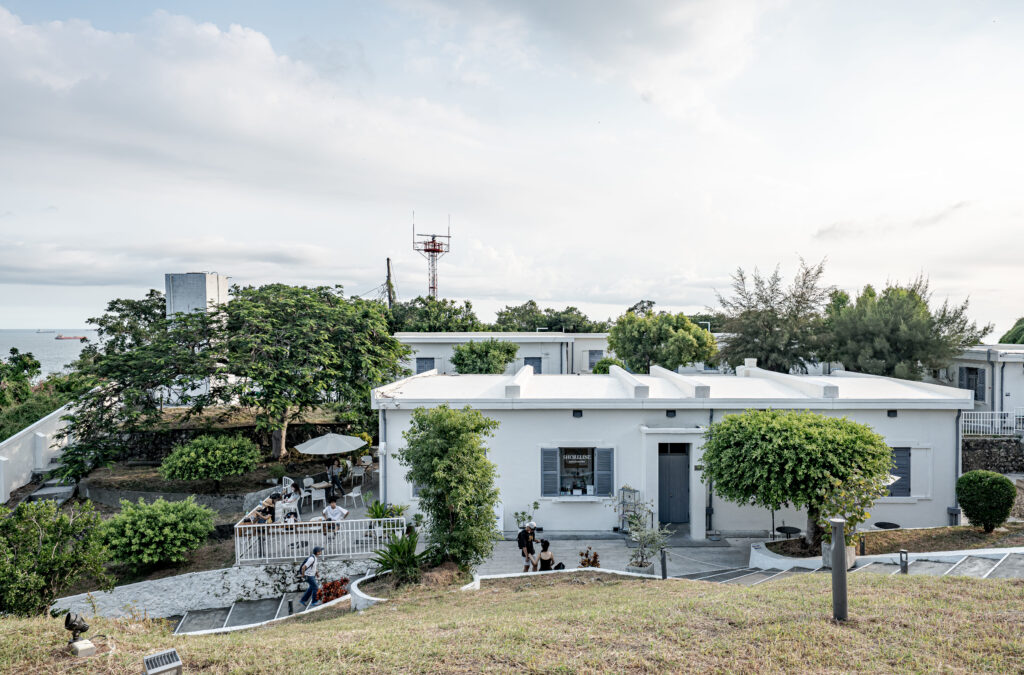
Shoreline Coffee has moved into the Kaohsiung Lighthouse park area. (Image source/OS Photography Studio – Photography by Chu, I-wen)
Various resources in Cijin District are relatively insufficient due to transportation issues, leading to outbound migration of youth and low willingness to return home for employment and living. Therefore, connecting regional revitalization energy has become one of our important considerations. For this, we found a Cijin native youth – A-Chin, who is the principal of the local brand Shoreline Coffee & Roaster, where both coffee and light meals carry the atmosphere of a port city.
For this project, Coastline Coffee has moved into Kaohsiung Lighthouse. Our small team and A-Chin discussed every detail, from developing lighthouse-exclusive products to planning the café seating, all with the hope that visitors can enjoy views of the harbor city while savoring ocean-inspired cuisine. Leveraging the advantages of Kaohsiung Lighthouse to energize the local community.
The Cijin Peninsula, located between Gushan in Kaohsiung and the open sea, has been used as a place for ships to dock and cross since ancient times. The Cihou Lighthouse at the northern end of the sandbar has watched over the harbor islands for over a hundred years, while the nearby ferry station connects with the Kaohsiung Port area, transporting crowds with frequent sailings.
In 2024, our small team assisted the Kaohsiung City Ferry Company in implementing the ‘From Gushan to Cijin – Gushan-Cijin Ferry Service Local Revitalization Project.’ With a community-oriented outlook, we redesigned and renovated the interior space of the Cijin Ferry Station, inviting local businesses such as ‘Dulcinea Coffee,’ a local self-roasting coffee shop, and ‘Harbor CC,’ a local organization empowerment unit, to move in and operate. On May 1 (Wednesday), we held the opening ceremony for Dulcinea Coffee’s second store and the ‘Monchii Chen’ illustration exhibition to celebrate the reopening of the ferry station.
We are delighted to witness the Cijin Transportation Station, through the collaboration of numerous teams, integrate multiple functions including a youth innovation base, arts and cultural exhibitions, and food services, serving as both a starting point for in-depth travel in Cijin and fertile ground for returning youth to find their roots again.
The Cijin area was once the core of Kaohsiung’s development, nurturing generations of residents through shipbuilding, fishing, and aquaculture. After economic transformation, its tourism industry was fully developed; however, the concentration of tourist hotspots in the Cijin commercial district has led to relatively slower economic development in the Zhongzhou area.
Therefore, when planning the operation of the Cijin Ferry Station, our team envisioned this space as a future base for youth business development for Zhongzhou and surrounding areas, aiming to connect local artisan brands with tourism resources to drive the regeneration and creation of local value.
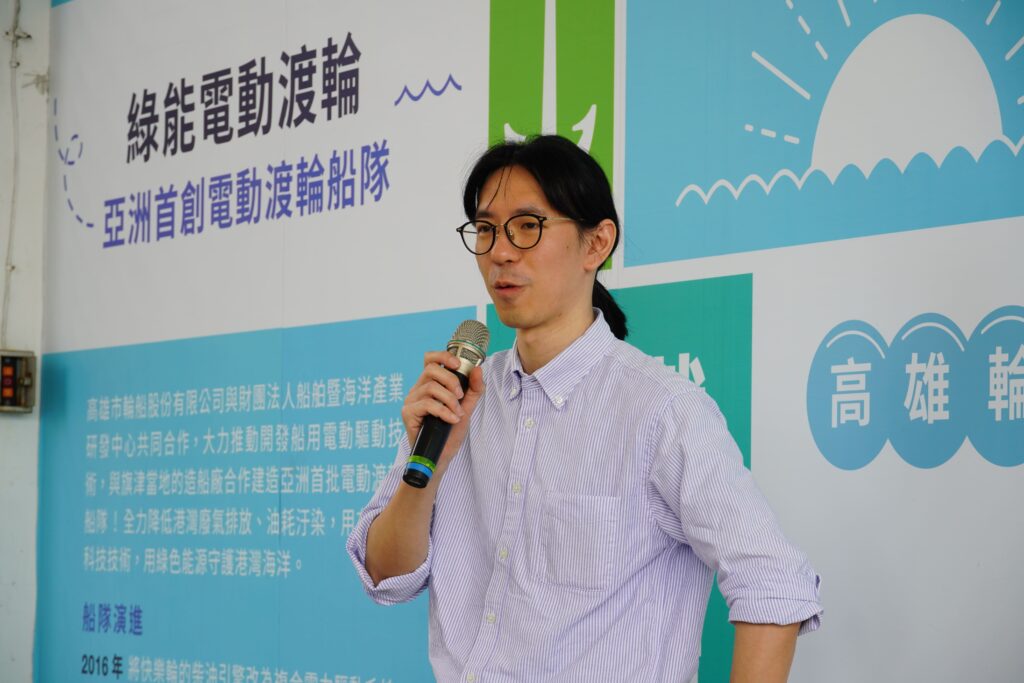
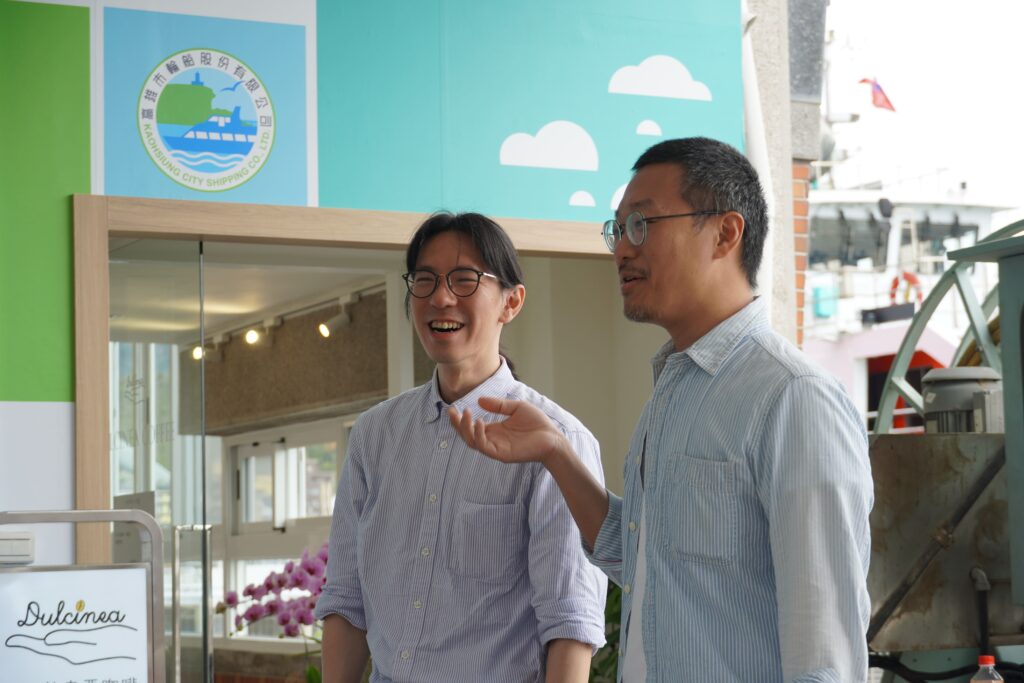
Director Hsiao Ting-hsiung of X-Basic Planning explains the project team’s concepts and implementation process.
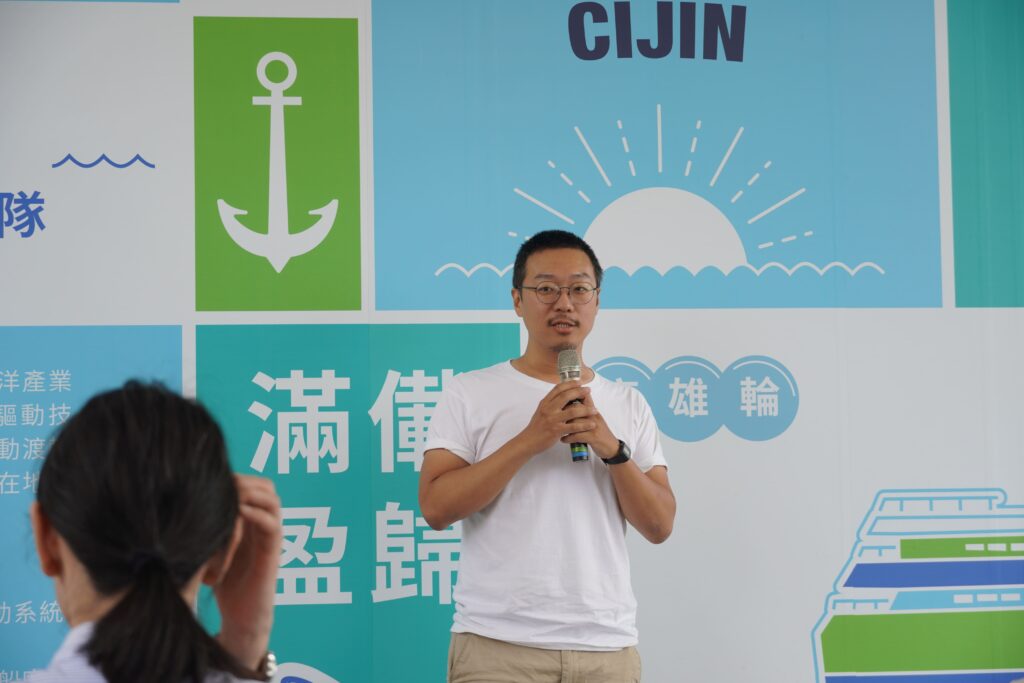
Professor Li Yi-zhi, the host of the Harbor CC project, delivers a speech outlining the team’s vision.
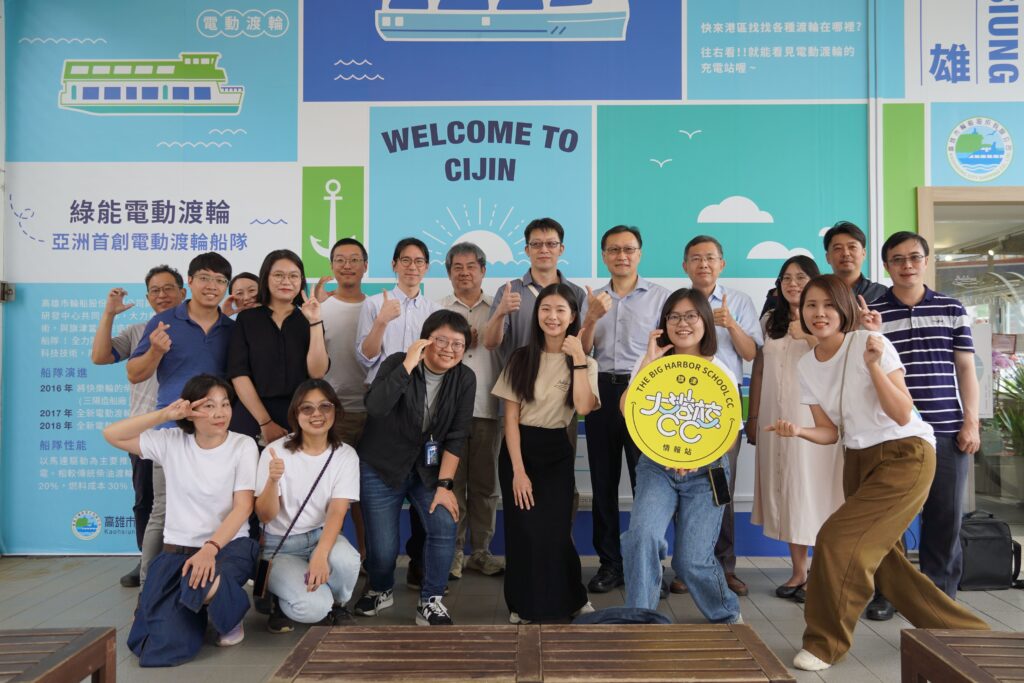
Collaboration with the local empowerment organization Harbor CC has enabled the X-Basic Planning team to connect with youth organizations deeply rooted in the community, using the ferry station as a base to jointly promote Cijin’s local culture.
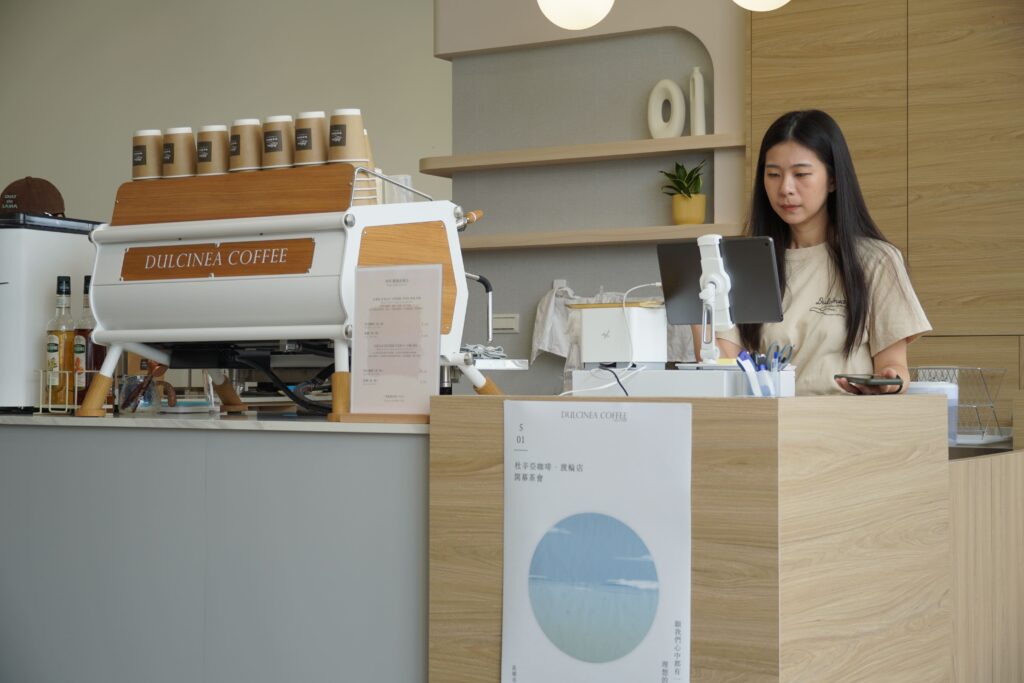
Dulcinea Coffee, established by returning young locals, has set up its second shop at the Cijin Ferry Station.
Through our public benefit rental model, we have invited local businesses and organizations to move in, including ‘Dulcinea Coffee,’ a local self-roasting coffee shop, and ‘Harbor CC,’ which focuses on empowering local youth organizations. Their enthusiasm and creativity will continue to breathe vitality into the Cijin Ferry Station.
The ferry station opening tea party also served as a celebration ceremony for the opening of Dulcinea Coffee’s second shop. The carefully prepared beverages and refreshments from the shop were the highlight of the event, and will continue to welcome travelers from around the world to the Cijin Peninsula with the rich aroma of coffee.
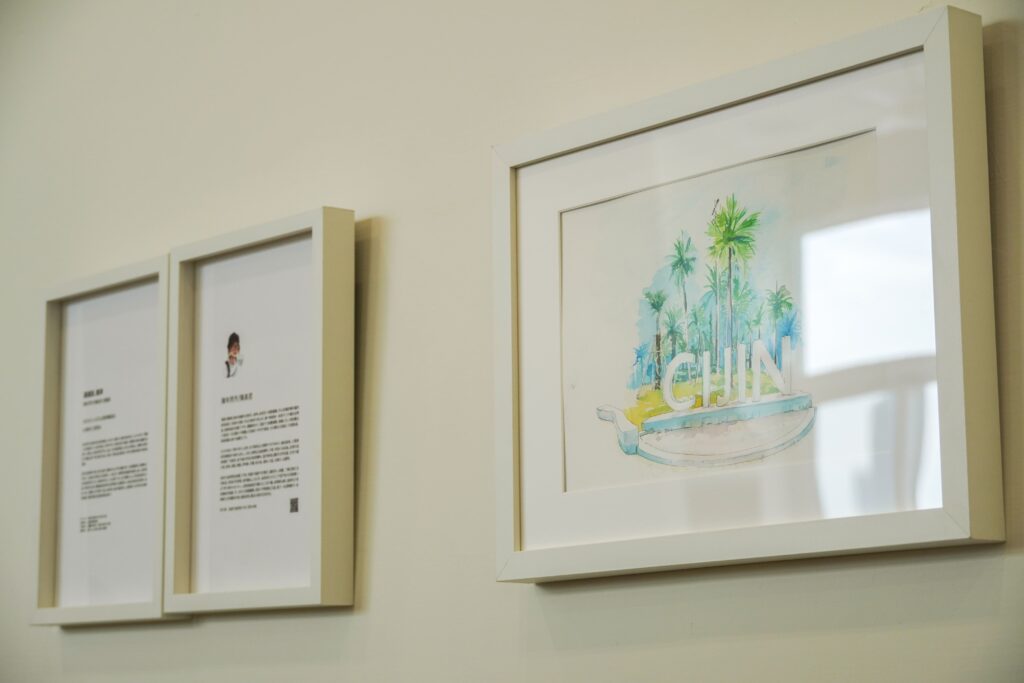
The first art exhibition at the Cijin Ferry Station was curated by the Harbor CC team, featuring local artist ‘Monchii Chen’ who creates illustrations interpreting Cijin’s landscape through colorful frames.
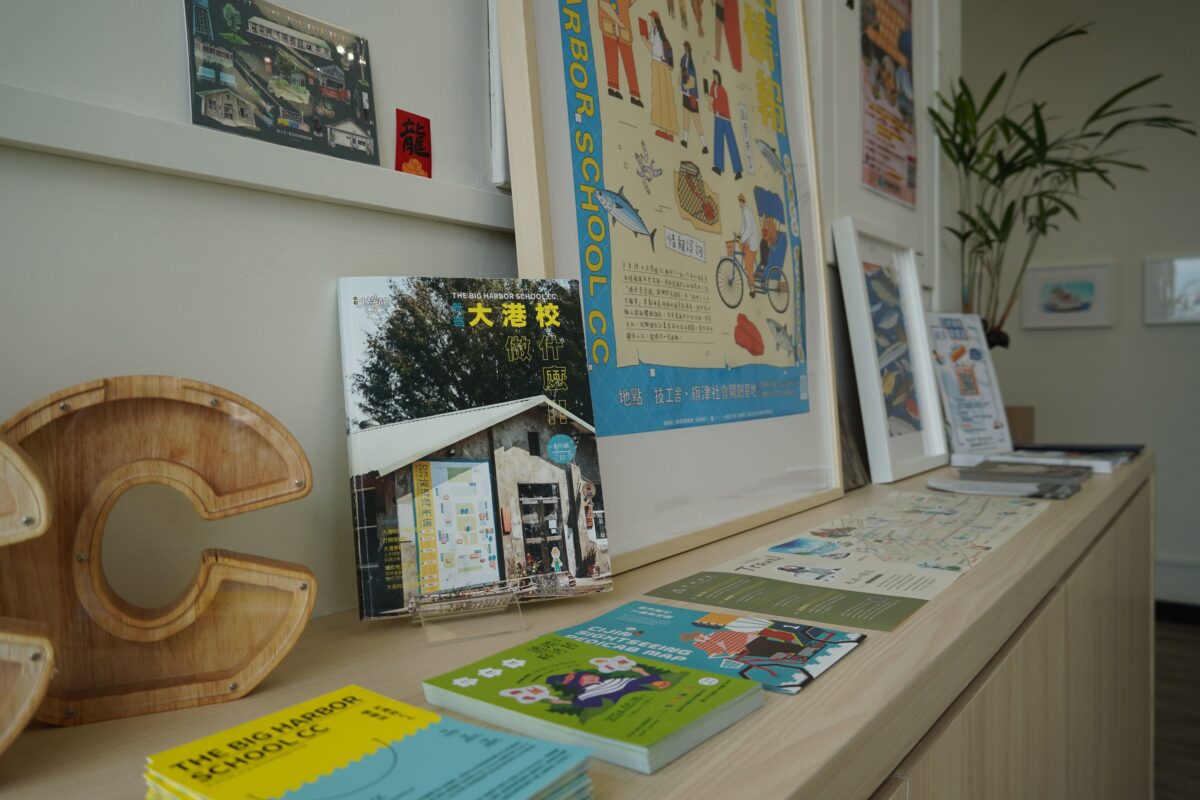
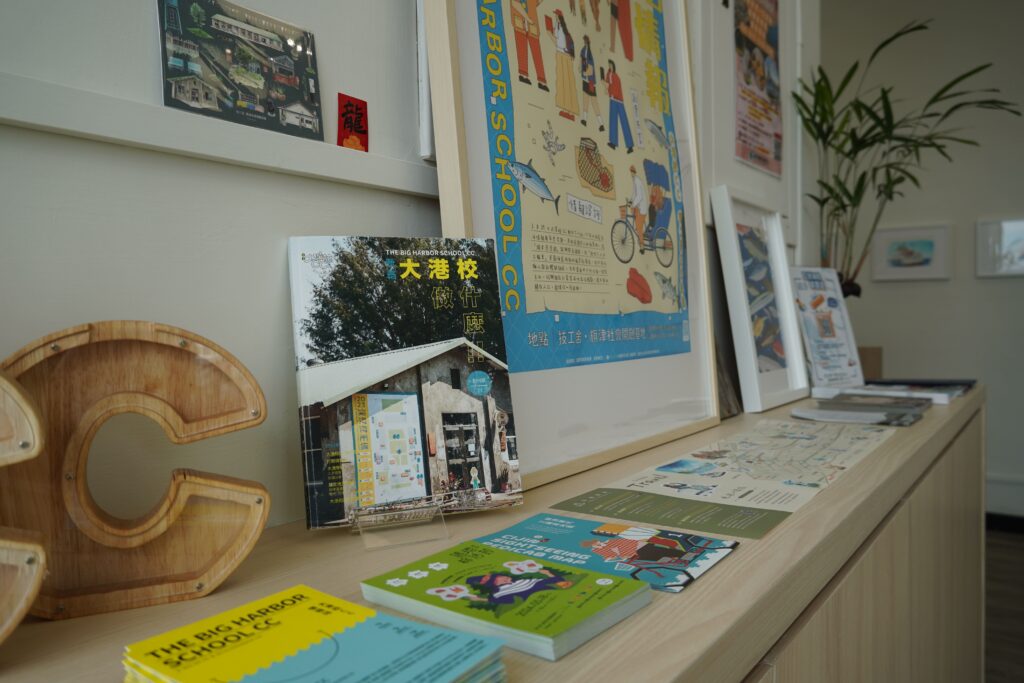
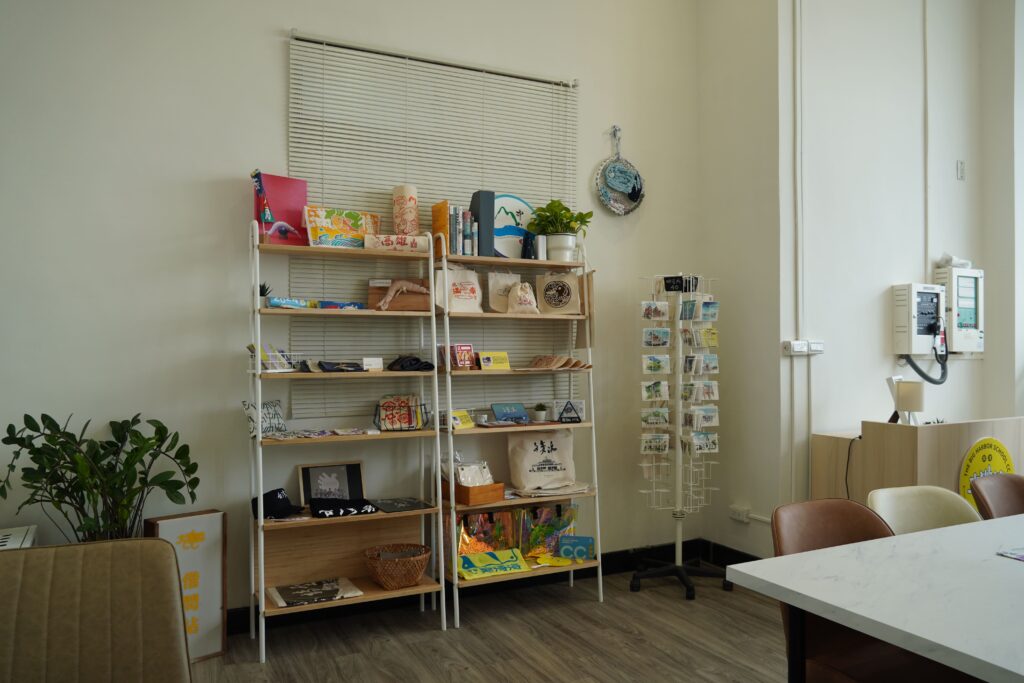
In addition to food services and art exhibitions, the ‘I-Center Cijin In-depth Travel Center’ operated with assistance from the Harbor CC team will combine travel information with a map of local youth communities, providing in-depth travel guides for visitors. Furthermore, the creative products by local artisans sold at the travel center also showcase the cultural foundation of the Cijin area.
We hope that the I-Center Cijin In-depth Travel Center will become the starting point for cultural tourism in Cijin.
Beyond assisting with the renovation and preservation of old houses, the X-Basic Planning team is deeply concerned with the revitalization and development of urban spaces. With Taichung as their base, the team is particularly full of anticipation and enthusiasm for the next steps in Taichung’s urban vision. In March 2022, the X-Basic Planning team was invited by the Taichung Urban Development Bureau and landscape consultants to collaborate as a participatory design team in the “Heart of the Southside” project. This initiative focused on the eastern and southern districts of Taichung, areas long overlooked due to complex traffic issues, to launch an “aesthetic awakening” community co-creation initiative before new construction began. During the process, they worked with nearby Kuo-Kuang Elementary School and Tong-Feng Junior High School to organize workshops. The purpose was to enable designers and actual users to understand each other’s ideas and needs through dialogue and exploration of various media, jointly completing works suitable for the users.
To help balance the industrial economy, culture, and leisure in the eastern and southern districts, the “Heart of the Southside” project will connect surrounding educational venues and green spaces. The scope encompasses the cultural corridor platform area near Xingda Road at Kuo-Kuang Elementary School, the ecological teaching area along Guoguang Road, and the Melaleuca Plaza at the intersection of Renhe Road and Qizhong Road at Tong-Feng Junior High School.
Implementing community-based participatory co-creation during the construction phase of public landscape projects is not a simple task for any city’s redevelopment. This approach not only represents the gradual establishment of social engineering foundations behind the hardware infrastructure, but also focuses more attention on local users—leveraging the role of “people.” This is precisely the relationship between city and people that the X-Basic Planning team envisions, and they are fortunate to be part of it, contributing to the revitalization of Taichung’s eastern and southern districts.
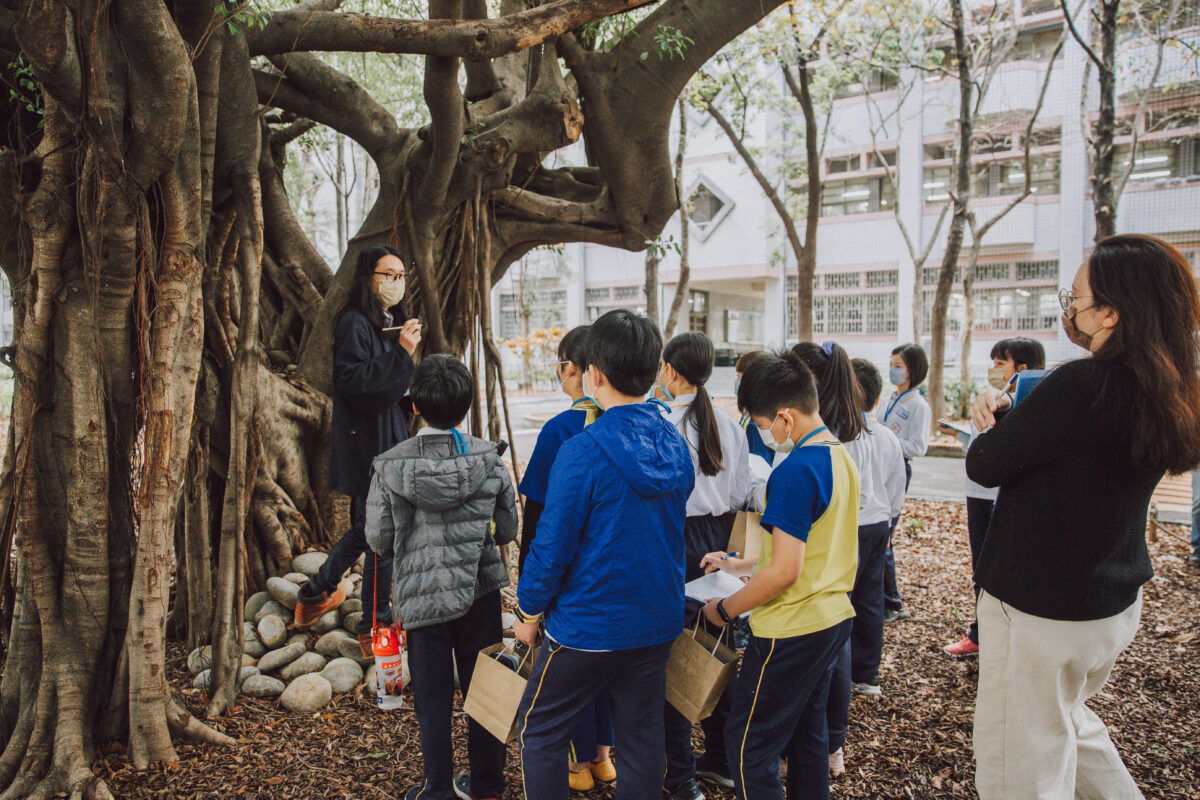
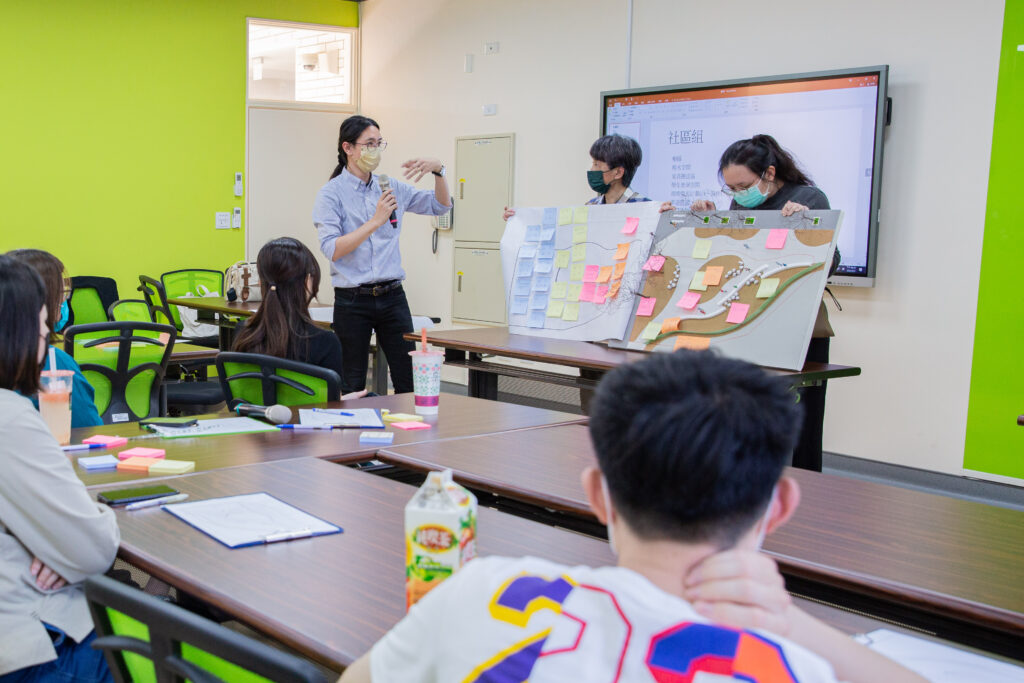
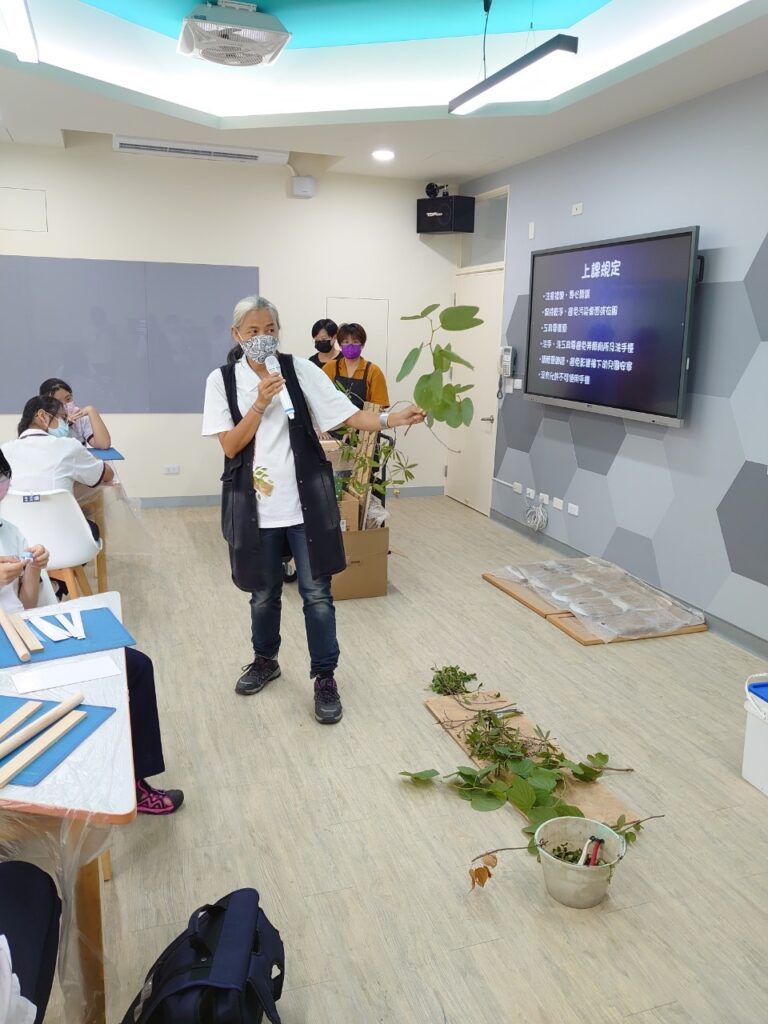
During the workshop, the X-Basic Planning team invited plant artist Ms. Chen Hsing-fen (Flower Grandma) and Ashe and Mite from Liiya Ceramic Craftshop to conduct “space observation” activities with teachers and students from Kuo-Kuang Elementary School. Together, they imagined potential feelings and issues in different scenarios, establishing preliminary spatial concepts. Next, they connected each student’s spatial observations using mind maps, creating “spatial scripts” that presented proposals integrating everyone’s ideas. Finally, they applied materials like styrofoam, pebbles, aluminum foil, bamboo skewers, and building blocks to create “spatial models,” translating their proposals into physical works and completing the journey from observation to presentation.
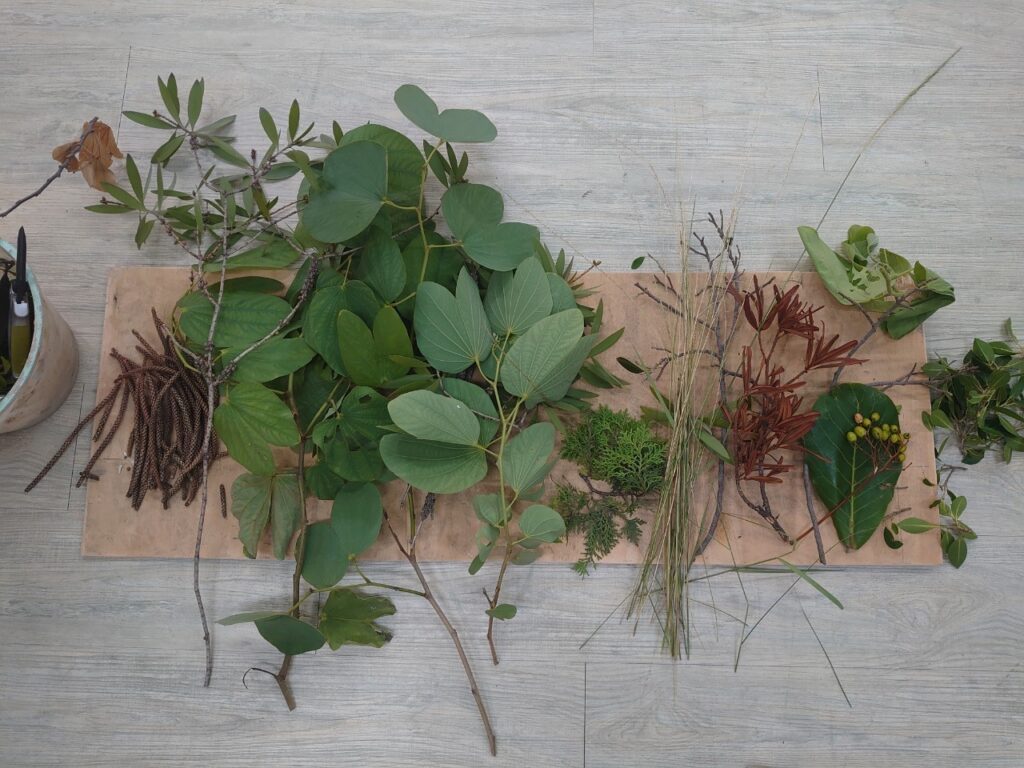
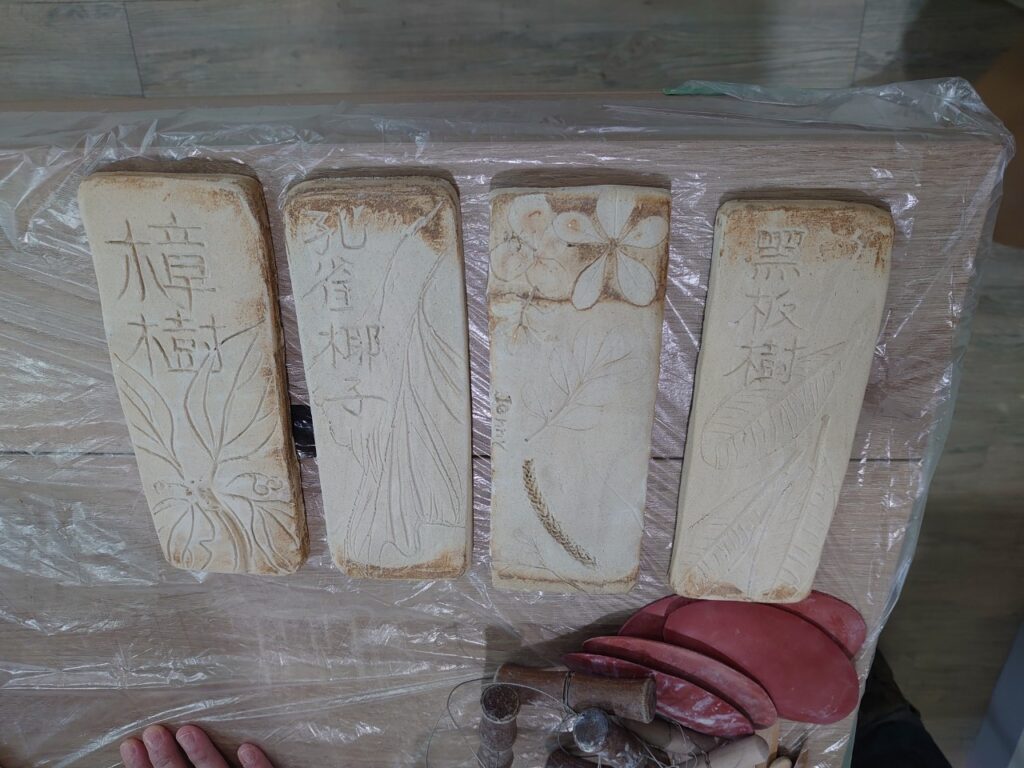
Students from Tong-feng Junior High School also participated in a plant impression ceramic board workshop, where they learned about the ecological landscape around their campus and selected different plant branches, leaves, and fruits to create unique ceramic boards. These ceramic boards will eventually be placed beside landscape stone benches, where they will serve as a feature of the campus that showcases achievements in aesthetic education while giving students a sense of participation in campus renewal. Beyond their role as students, Tong-feng Junior High School teachers also changed perspectives, imagining themselves as various campus characters such as ecology course teachers, students, and campus maintenance staff, to consider and observe the site from different viewpoints, developing ideas for space design and landscape furniture based on actual needs.
The students’ proposals contained many imaginative and creative ideas, while the teachers’ observations of the surrounding site were quite detailed and nuanced. The team assisted in documenting and compiling the results of each phase, comprehensively considering the building materials and design circulation patterns to be used in the actual construction. This ensures that the future campus spaces belonging to Kuo-kuang Elementary School and Tong-feng Junior High School will bear testimony of collective participation, while also being truly appropriate for everyday use.
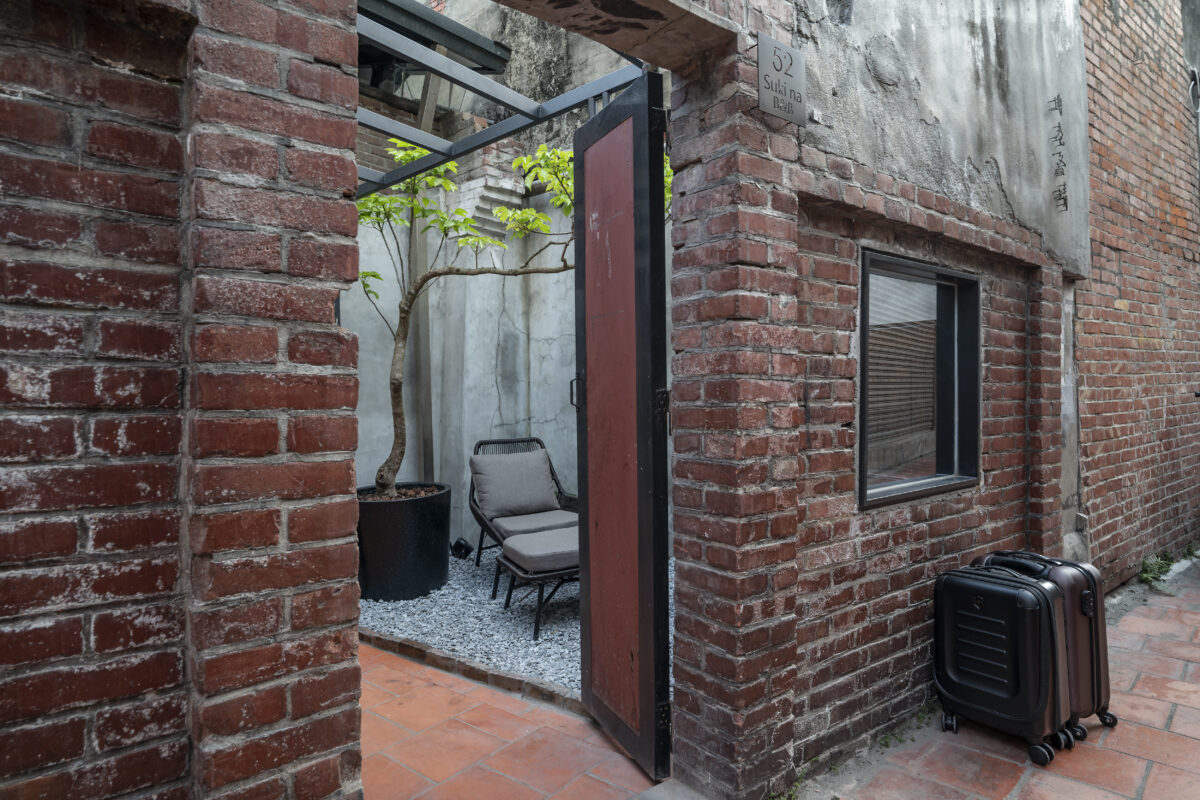
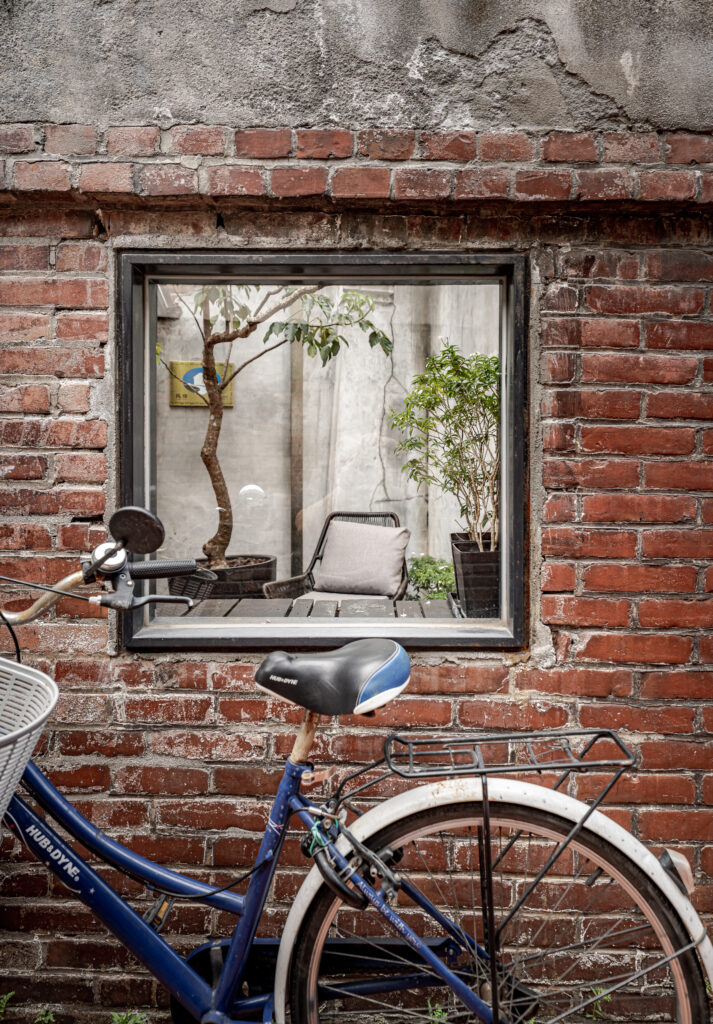
About two years ago, our small team received a special project for preservation of an old house. After preparation, renovation, and reorganization, it finally blossomed in spring this year. We now have our own old house bed and breakfast—”SukiNa B&B”. Located at No. 52 Jinsheng Lane within Lukang’s Nine Winding Alleys, it was formerly a Han-style old residence abandoned for over twenty years. With considerations for optimal spatial planning, we preserved the original features of the old house, such as hexagonal bricks, wooden round beams, and red brick walls. We repaired deteriorated parts, added steel frames to support the new structure, and introduced natural light, overcoming the typical lack of illumination in alley houses. We provide comfortable and distinctive accommodation experiences for travelers who appreciate old houses.
Old House Revitalization Challenge
“How can I properly repurpose the old house left by my elders?” The current owner who lives elsewhere raised this question with palpable anxiety coming from the dilemma of not knowing how to evaluate and utilize the renovated old house in the future.
Imagining they might not be able to plan the future of the old house comprehensively, yet concerned that merely handing over the restored space to others might lead to worries about proper care and utilization of the old house’s cultural value, they faced the layered dilemma that “neither renovating nor leaving it alone seems right.”
Planning Integration, Transformation and Renewal
In other words, although homeowners have the desire to preserve their family’s old house, they often cannot find appropriate solutions that address both ‘restoration’ and ‘adaptive reuse’ planning simultaneously. During the process of searching for solutions, our X-Basic Planning cross-departmental team’s professional ‘integration’ capabilities provides assistance, offering homeowners direction to solve this core problem.
From inspections of old houses, historical research, architectural repairs and interior design expertise, to evaluation planning and guidance on relevant government support and subsidy policies, we not only provide design planning for hardware renovation, but also focus on software aspects such as operation planning for reuse, assessment and implementation. This ensures that transformed old houses not only change spatially, but also connect with the times and maintain sustainability in their vibrant new uses.
We hope that at Jinsheng Lane 52 ‘SukiNa B&B,’ we can create a restful and comfortable home for travelers who appreciate old houses. The winding Nine Curves Lane blocks Lukang’s winter winds, keeping its houses warm as spring even in winter. One can enjoy the shade under a Chinaberry tree, looking up at green leaves against a blue sky, drink tea and soak in a hot bath in the backyard, or warm up with a drink by the fire in winter.
The ‘transformative renewal’ of local old houses is not easy. We hope that the comprehensive solutions we’ve discussed and implemented with homeowners can bring contented smiles to more people. Finally, we always say that a house with people has light. Lukang SukiNa B&B awaits your visit to experience the renewed charm of this transformed old house.
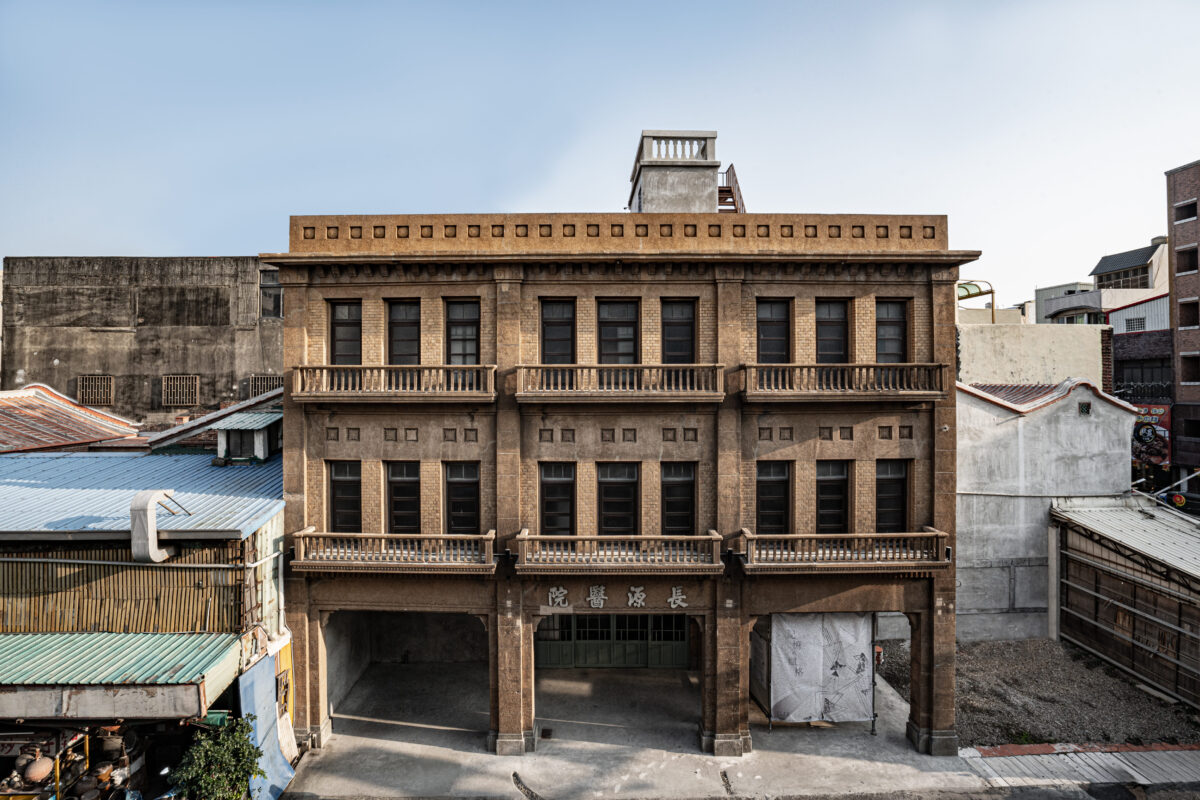
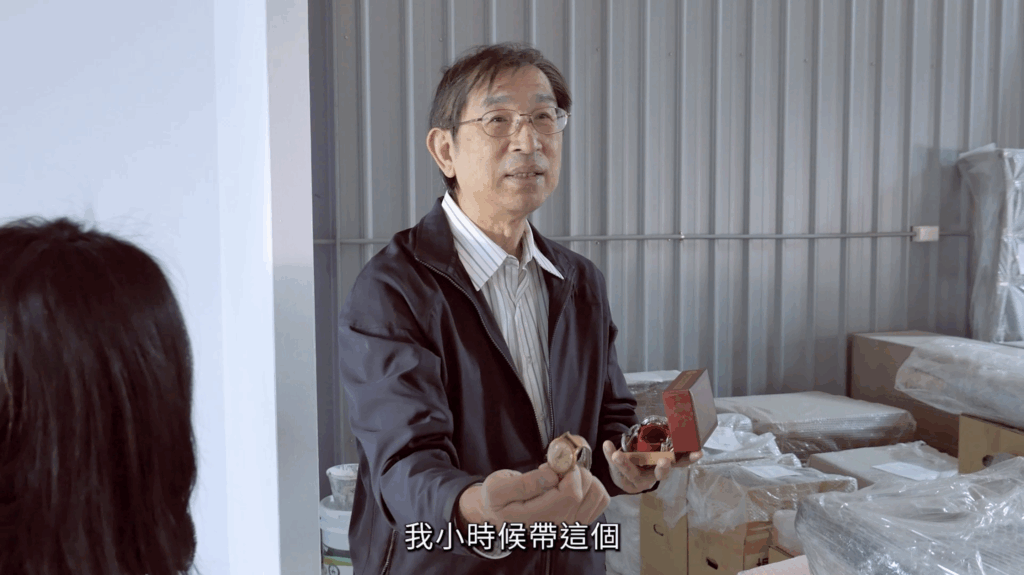
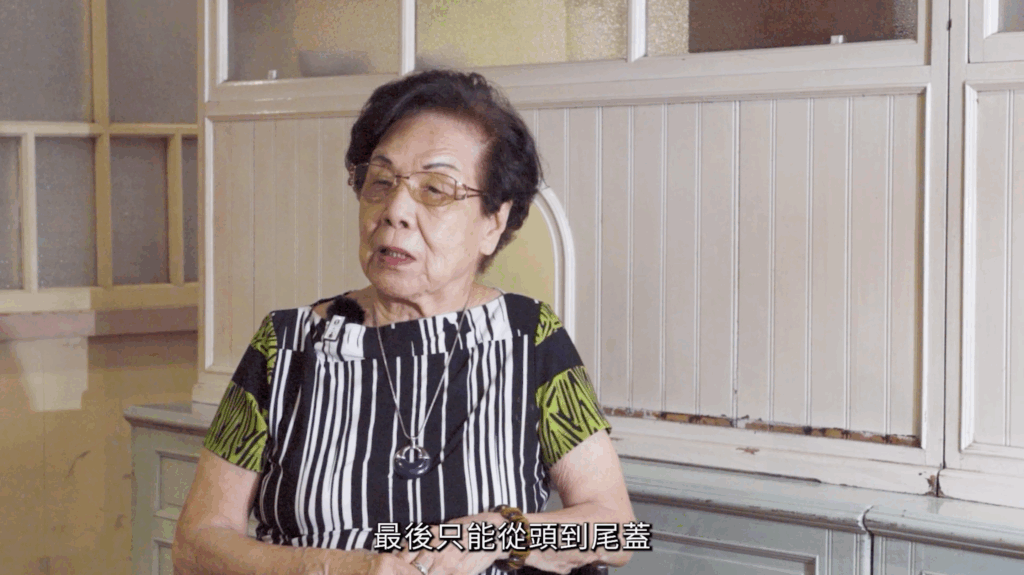
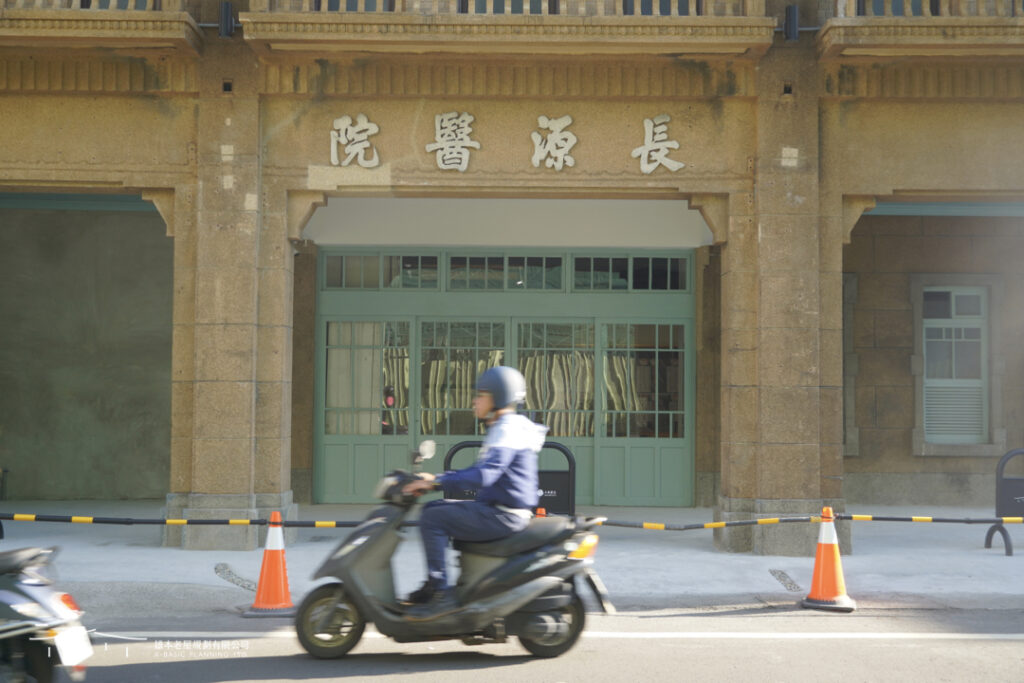
“When items are piled in corners for a long time and forgotten, their original value disappears gradually, and they eventually become waste that just occupies space.” While sorting furniture and taking inventory of past events, Dr. Hsu Cheng-yuan, the fourth-generation owner of Chang-Yuan Hospital, expressed his feelings about the reluctance to discard old items, and was grateful that someone still cares about this old building and its history.
Before the restoration work of Chang-Yuan Hospital commenced, X-Basic Planning helped the owner package and preserve the cultural artifacts, retrieving long-forgotten memories from the river of time. During the renovation process, structures that were originally decayed, buried, or even dismantled were restored to their original appearance through historical image research. The old house and its antiques thus shook off dust and returned to their former glory in the bustling neighborhood, weaving together with the historic Yu Jen Jai building across the street to form Lukang’s landmark intersection.
In 2020, the cultural artifact repository of Chang-Yuan Hospital displayed old furniture and items transported from the old building. During the documentation and organization process, Dr. Hsu Cheng-yuan discovered many old photographs and materials left by his father, and while conducting inspections on artifacts, he reminisced about his childhood, finding the first watch he wore during elementary school. After half a century, the watch band retains elasticity, and the unpowered hands seem to have frozen in time. As the captured moment in time grew warm on his wrist, a gentle smile graced Dr. Hsu’s face. He shared with his team the pure childhood joy of wearing his first Titoni watch.
New Discoveries Under the Metal Roof
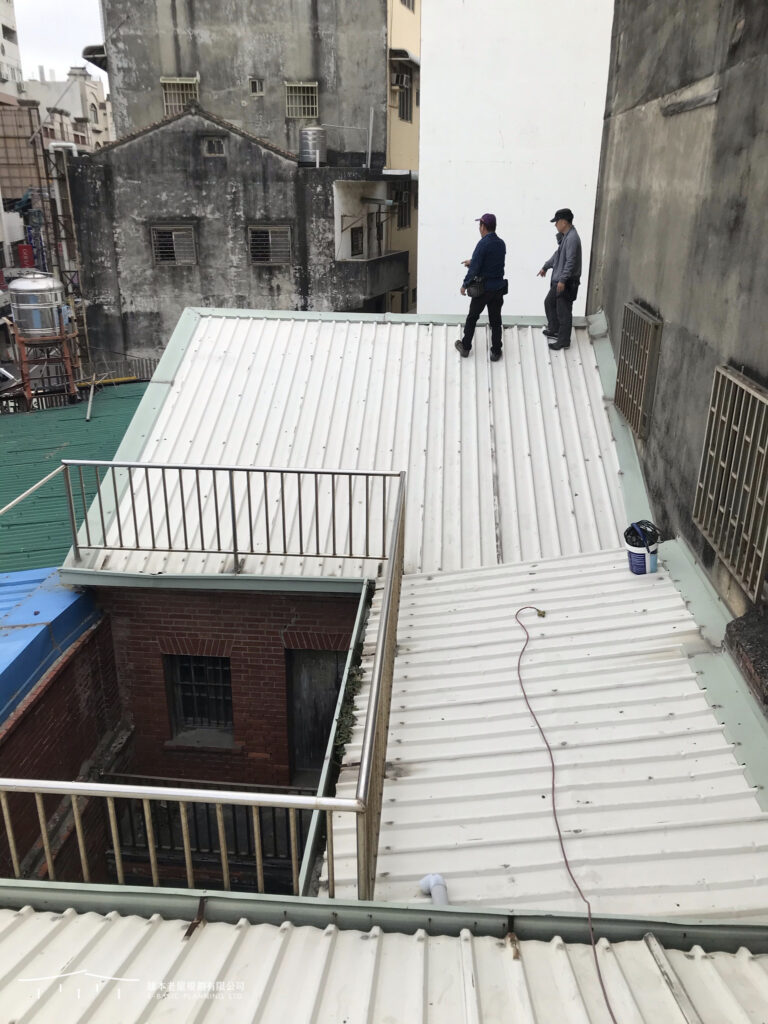
In contrast to the intact Titoni watch, the Chang-Yuan Hospital that has protected these old items through the long years has gradually developed serious problems such as water leakage, termite infestation, and wall bulging. With no other options, Grandmother Hsu (Ms. Shih Hsiu-hsiang) could only ask workers to cover the roof with steel plates to block the rain, temporarily alleviating the issues of building maintenance.
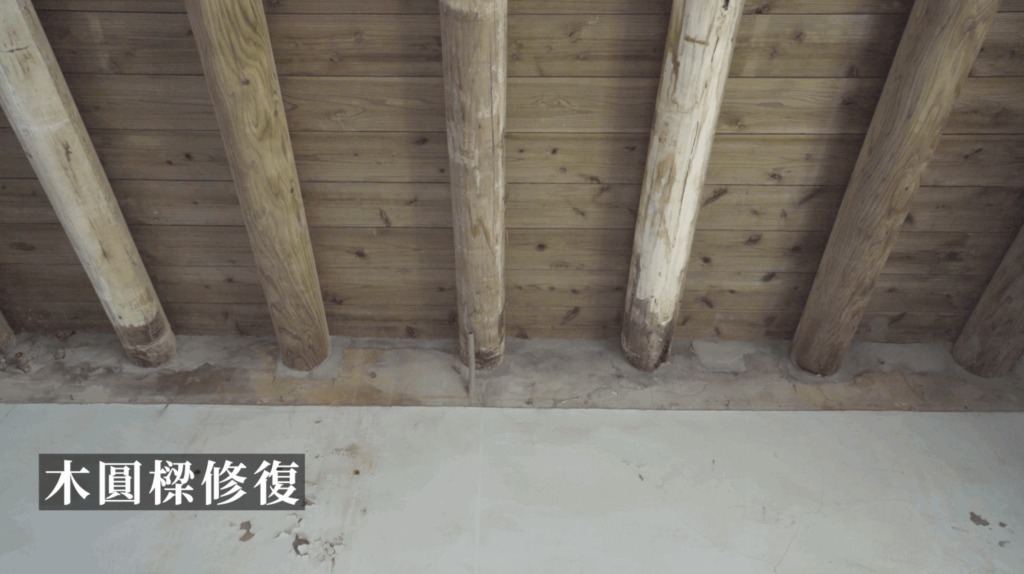
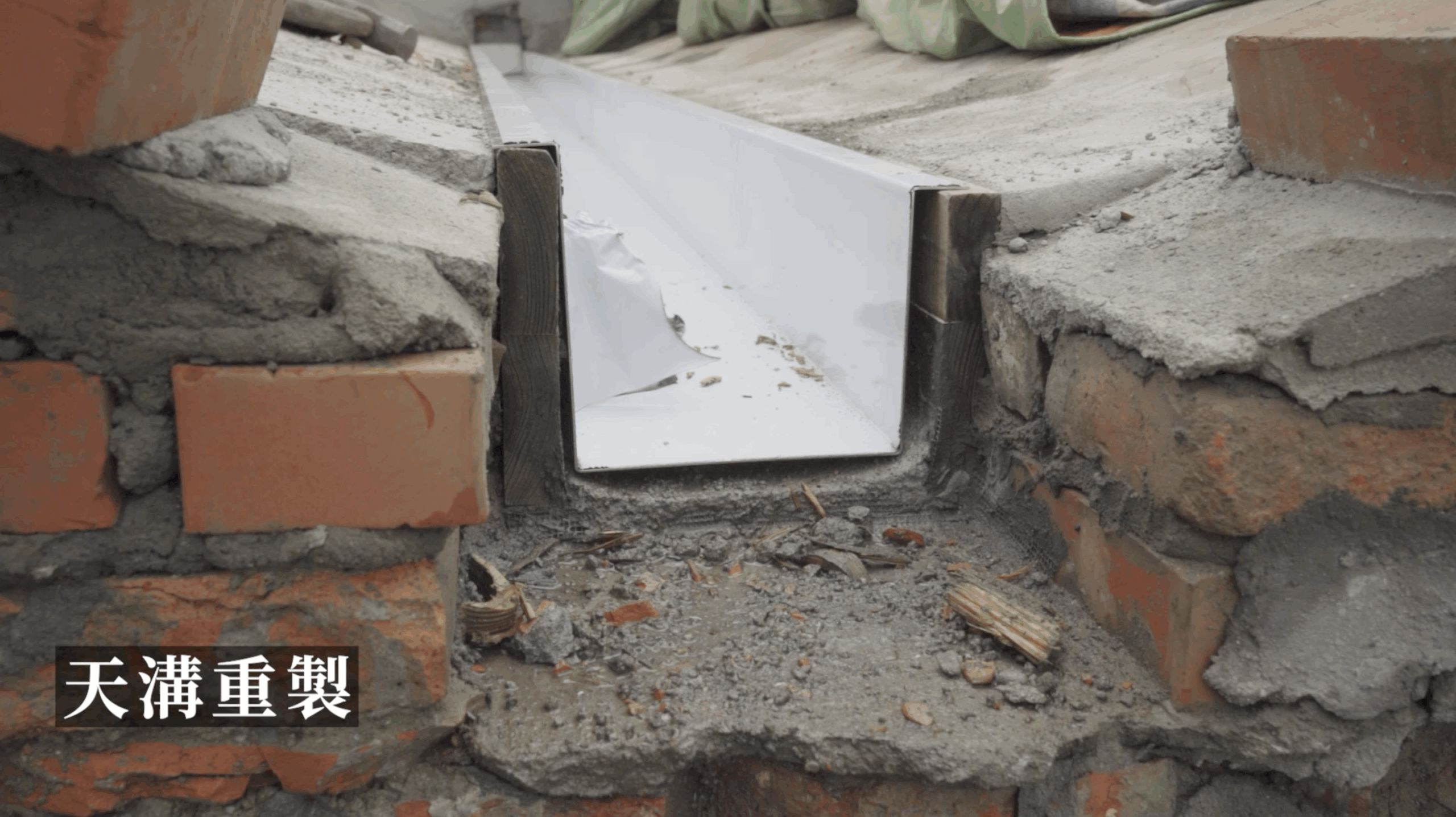
Although this blocked rainwater from leaking through the ceiling, the humidity of Lukang still seeped in everywhere, causing the ends of the wooden circular beams in the Minnan-style shophouse to rot, attracting termites to build nests. The restoration team’s original plan to replace 30 wooden beams had to be adjusted to 70 beams after removing the metal sheets and examining the actual structural conditions. The restored brick walls and wooden beams were thoroughly waterproofed to effectively extend their lifespan; while the white lime gutters on the roof that had weathered and collapsed were reconstructed using modern methods with stainless steel materials to improve drainage functionality.
Besides reassessing the extent of building damage, the restoration team also made many surprising discoveries during the construction work.
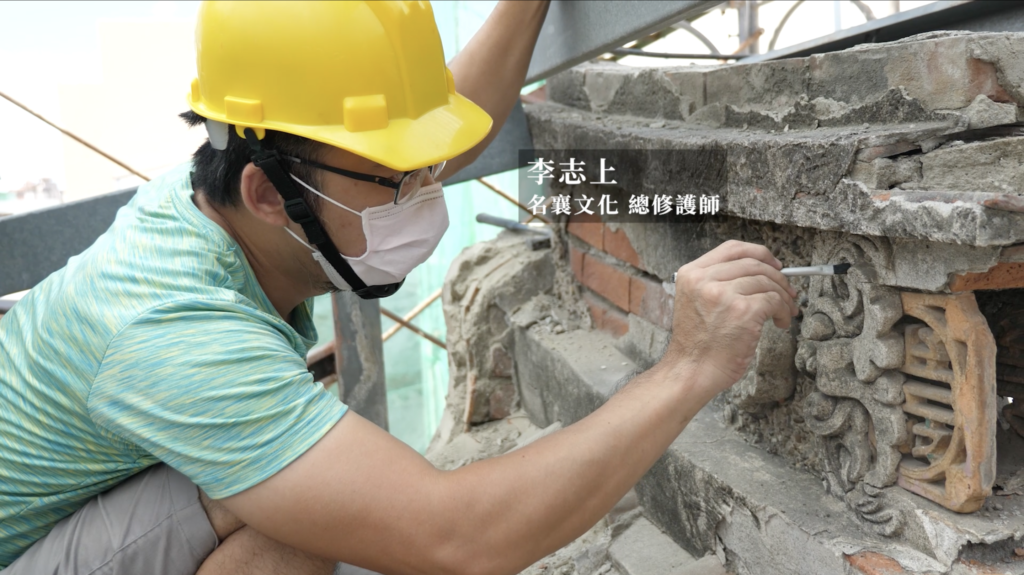
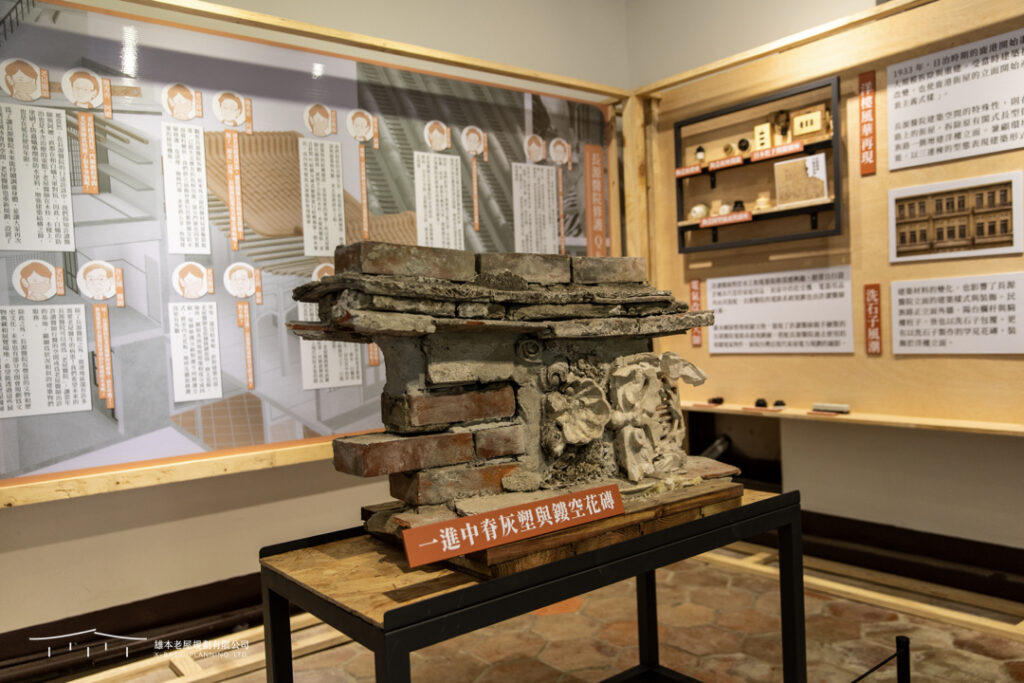
After the metal sheets on the main ridge of the roof were removed the decorative elements wrapped within them saw the light of day again. The delicate openwork brick patterns and relief designs not only symbolized the blessings of ancestors for the family but also showcased popular decorative elements from the period of construction. To preserve these precious patterns, the team used 3D scanning technology to digitize the architectural details, using this as a basis to rebuild the roof ridge; the originally fragile structures were evaluated, removed, and presented as exhibits, inviting the public to appreciate the details up close during the completion exhibition.
Recreating Architectural Features with Film Negatives
Lukang’s rainy summers and windy winters necessitated the formation of the distinctive ‘No Heaven Streets’: Vendors on both sides of the street built continuous ‘street pavilions’ stretching for miles, with brick platforms on top that allowed pedestrians to walk and gather together. Although the covered streets were demolished during the 1934 urban correction process, old photographs left by local residents on their rooftops became important reference materials in the building survey.
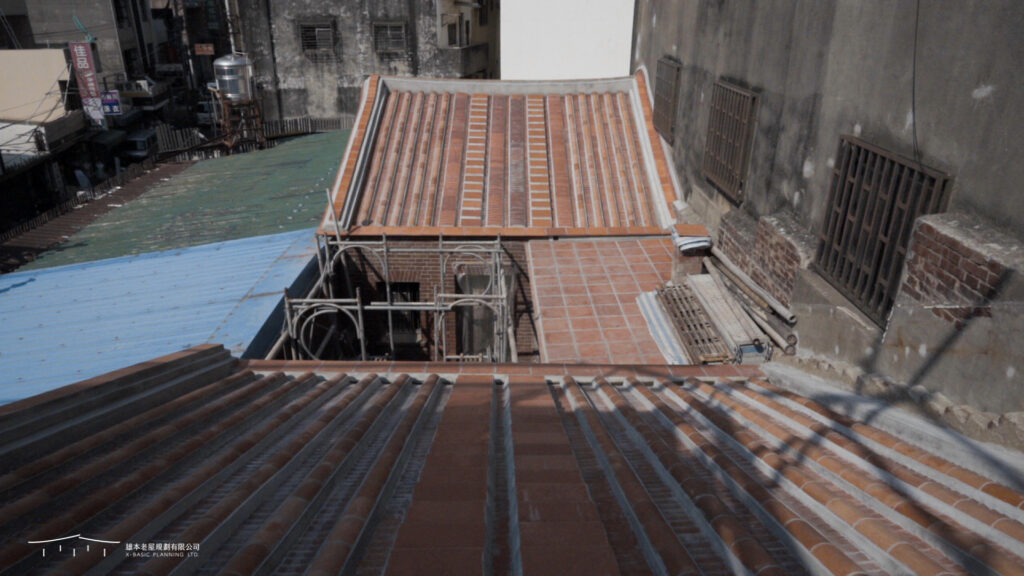
Following Grandma Hsu’s oral accounts, the restoration team found multiple areas of old, damaged brick platforms on the front facade of Chang-Yuan Hospital, in the water passages between the second and third sections, and on the rear sloped roof. After comparing them with old photographs and historical data, the team inferred these were extensions of the street pavilion structure. During the project, they relaid the floor tiles and also restored the old chimney in the water passage area.
Through historical photographs, we can not only have glimpses of the past architectural design of Chang-Yuan Hospital but also review the everyday life of Lukang residents—this is precisely what the regeneration of old buildings achieves. “When architectural spaces from different periods are no longer demolished due to deterioration, history naturally integrates into daily life, becoming part of the urban landscape.” As X-Basic Planning’s chief consultant Hsieh Pei-Chuan observed about Chang-Yuan Hospital, those once-vanished memories and architectural structures are details that shape local culture, reestablishing connections with modern life through processes of rediscovery.
The water passage area between the second and third sections of the hospital’s Minnan-style shophouse was once covered with corrugated metal sheets.
After the restoration project, the roof was newly covered with tiles and floor bricks, and the original chimney was restored to its former appearance.
Since the launch of the CDIB Capital Regional Revitalization Action Implementation Plan in 2023, X-Basic Planning has been commissioned by CDIB Capital and HAYASHI office to implement this project for two consecutive sessions. We are honored to work with the project director, Professor Lin Cheng-i, to promote the concept of local revitalization. We accompany local teams from all corners of Taiwan to gradually realize their visions, and developing innovative and sustainable business approaches derived from local cultural contexts.
For X-Basic Planning, a building is not merely an inorganic structure of bricks and tiles, but an organism carrying urban culture, constructing the spatial characteristics of each neighborhood as they evolve through the ages. However, imbalance and changes in urban and rural development are causing many landscapes to quietly disappear, with complex factors such as changes in the industrial environment and weakening sense of identity playing key roles—therefore, we view old houses as carriers of local potential, believing that their ‘rebirth’ should be closely integrated with local contexts, thereby forming a mutually beneficial cycle.
This year, we continue to prioritize the spirit of “Not finished yet, standing together. Being there, going the extra mile.” Through planning workshops, reading clubs, market activities, and site visits, we incorporate the experience accumulated by our team in promoting regional revitalization, aiming to reconnect places, people, and spaces, and together rediscover the abundant vitality of the land.
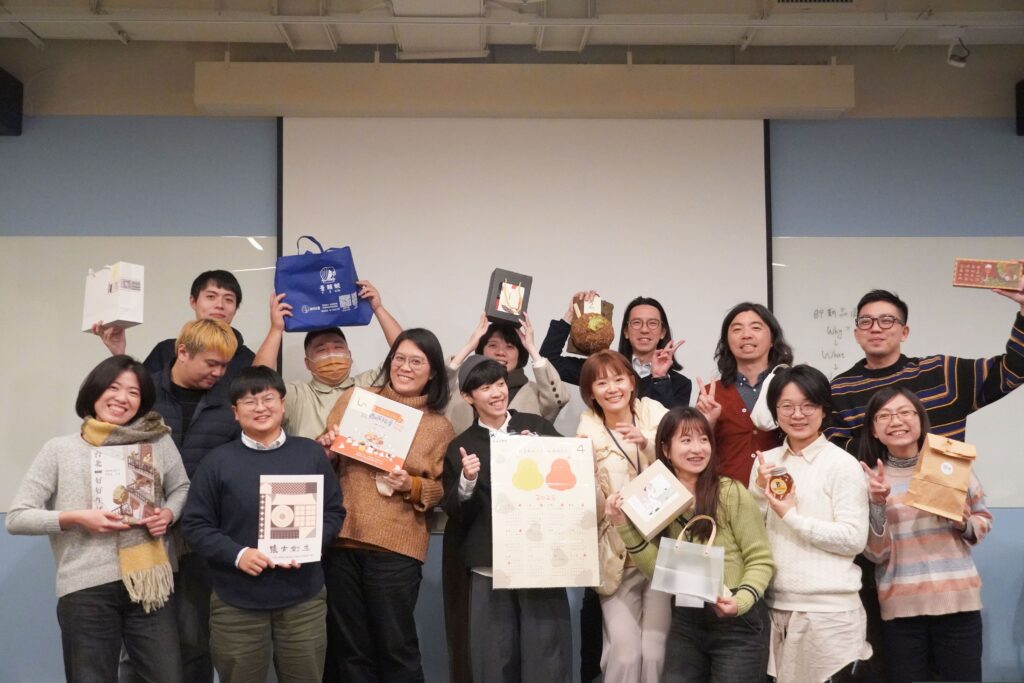
The project team with HAYASHI office CEO Lin Cheng-i (second from right, back row) and X-Basic Planning Director Hsiao Ting-hsiung (third from right, back row) at the mid-term workshop.
This session’s consensus meeting was planned by Tsai Yu-Hsuan, Team Leader of X-Basic Planning’s Interdisciplinary Planning Department.
This year’s project teams focus on diverse issues, including local food culture promotion, beehive design, traditional craft transformation and revival, and reuse of fishing industry waste. During the implementation period of over five months, the X-Basic team has consistently provided assistance as ‘companions,’ inviting experts from various fields as mentors, building capacity through site visits, empowerment courses and workshops, and developing new approaches through brainstorming processes.
Although most teams initially adopted an independent implementation model, this time, beyond the existing workshops and charity days, the reading club specially arranged by Professor Lin Cheng-i unexpectedly facilitated actual exchanges and subsequent collaboration between teams. In addition, we invited the previous participating team Pan Tun International to share their implementation experience, passing on the sustainable spirit and practical knowledge of the project to this year’s partners.
Beyond organizational empowerment and local networking, the ‘social impact’ that the Local Revitalization Action Implementation Plan can bestow upon teams is also a major focus. For this purpose, KGI Financial Group has held charity markets for two consecutive years, with X-Basic Planning helping to invite teams, allowing products developed with everyone’s dedication to be showcased. This year’s charity day market with the theme of ‘Local Revitalization’ similarly launched on the last Friday before Christmas, with various teams transforming their passion for the land into creative products and cultural experiences, conveying the uniqueness and beauty of various parts of Taiwan through concrete actions.
We sincerely thank CDIB Capital Group and HAYASHI office for their invitation, allowing X-Basic Planning not only to care for urban and rural issues with our professional expertise but also to actually participate and work alongside local teams. Although we faced many challenges during this period—such as coordinating the schedules of CDIB Capital staff, mentors, project partners, and the X-Basic team, which was a major undertaking, with the effort spent on communication and coordination often exceeding expectations—it was precisely through these solid interactions that we were able to witness up close the difficulties of local regeneration, thereby conserving the precious momentum of the participating teams.
Among these, Tong Li Seafood proposed a recycling project for abandoned clam shells, which left a deep impression on Tsai Yu-hsuan, the Team Leader of Cross-disciplinary Planning Department who was responsible for implementing this project at X-Basic. The sisters who run the business maintained their original intention throughout the project period, simply based on the spirit of environmental sustainability, repurposing waste from aquaculture into products such as diffuser stones, coasters, and eco-friendly cat litter, rather than viewing it as a means to pursue commercial interests. Their attitude of maintaining passion for their core business is admirable.
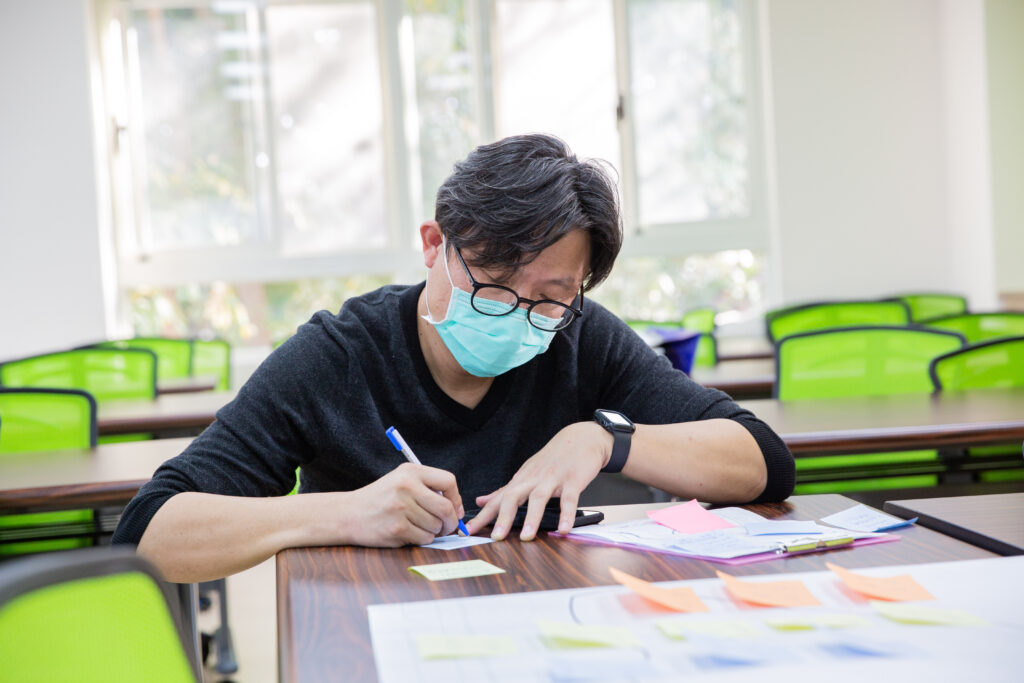
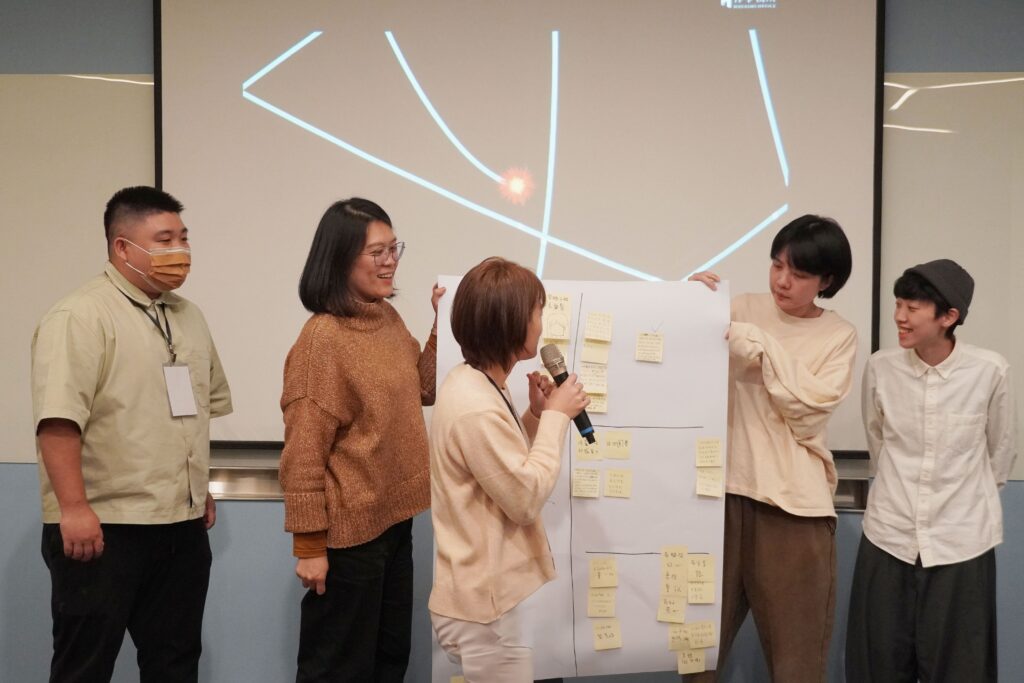
Project teams brainstorming during the workshop.
Reflecting on the experience of implementing two sessions of the project, X-Basic Planning has always focused on its role as a connector and facilitator. Through actual participation, X-Basic has begun to consider the possibility of deeper involvement in planning in the future. That all the effort and cultivation ultimately received recognition from CDIB Capital executives is the most direct encouragement and support for X-Basic colleagues, making all challenges particularly meaningful.
The dedication of ten project teams has injected endless regenerative energy into various parts of the island, allowing the public to see how place names and memories about to be forgotten beneath the rapidly changing faces of cities, countryside, rivers, and forests can find their footing in contemporary society. The CDIB Capital Local Revitalization Action Implementation Plan is not a phase-based task, but a long-term journey toward cultural and environmental sustainability. We look forward to witnessing more creative seeds rooted in the land sprouting and thriving in the future, becoming an ecological network that shelters the local environment and supports the coexistence of all living things.
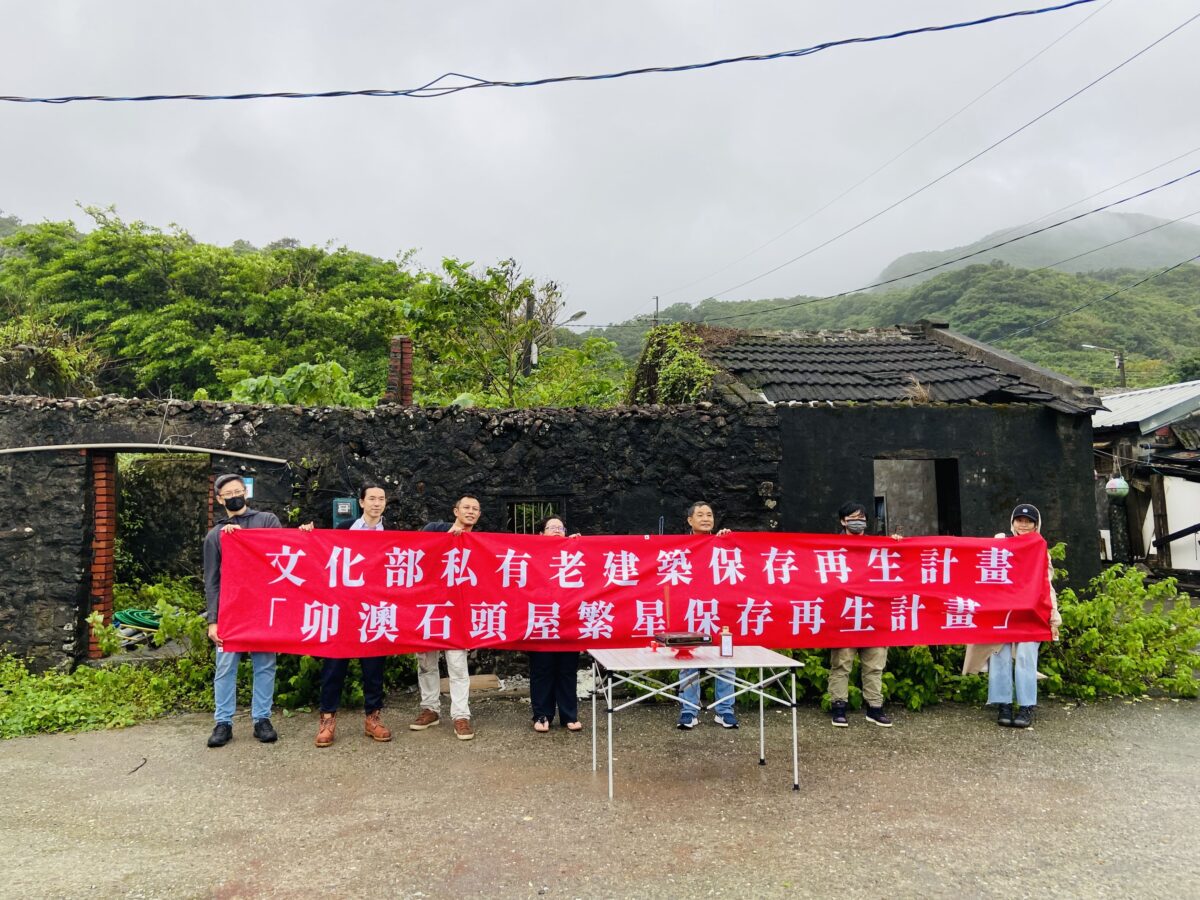
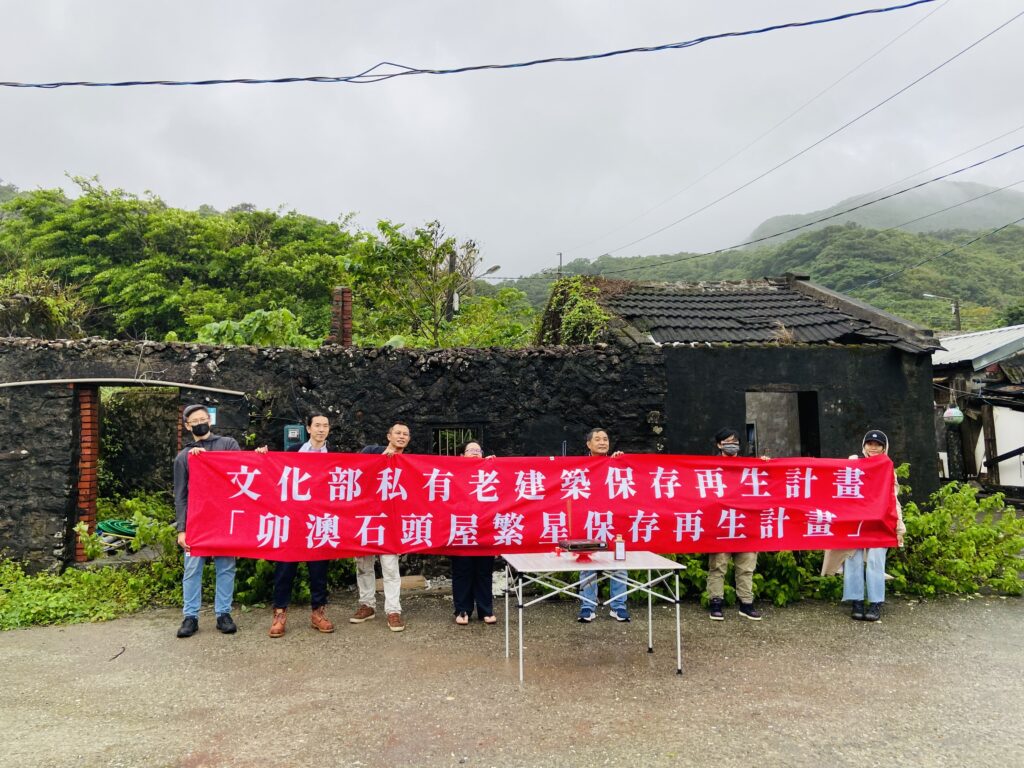
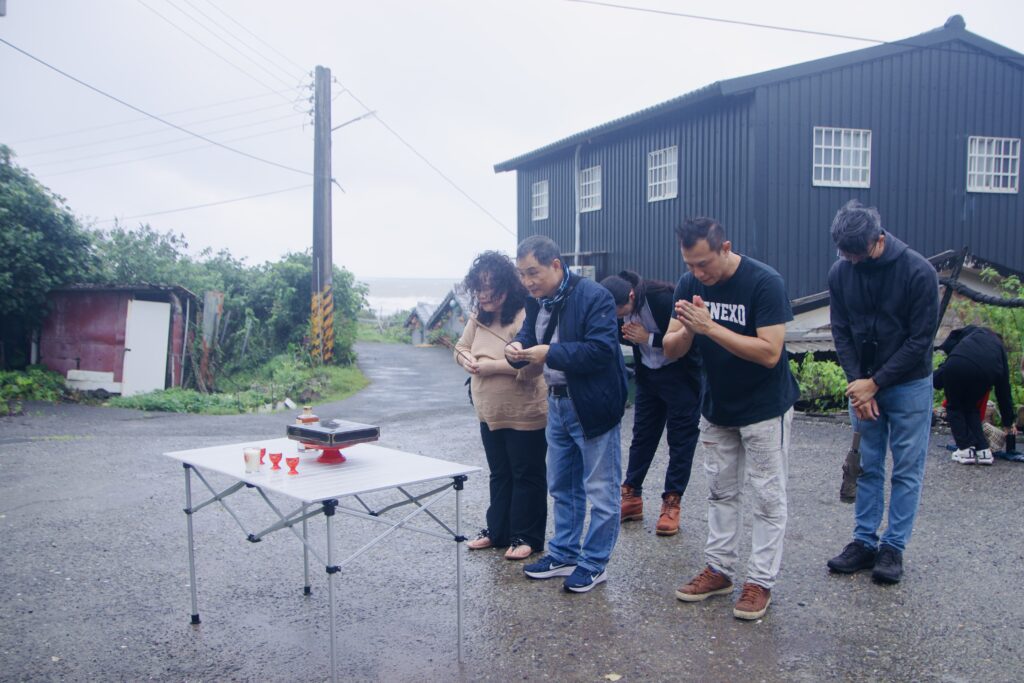
In October 2022, the X-Basic team and the local Maoao team Sandiao Cape Cultural Development Association jointly assisted Mr. Chiang Ming-Hsien, the owner of Maoao stone houses at 28 Fulian Street and 15 Fuxing Street, in obtaining the Maoao Stone House Preservation and Regeneration Star Project. On October 17th, under the accompanied effect of a typhoon, a groundbreaking ceremony for the stone house restoration project was held in the wind and rain. During the preparation for the ceremony, the X-Basic team members warded off wind and rain in order to light the incense in the northeast monsoon. We also worked together to hold up the groundbreaking banner, sincerely praying for the safety and smoothness of the upcoming project.
Stone houses are fishing village settlements in Taiwan’s northeast coast, built with local stone materials to adapt to the natural environment. Key features to preserve include the withstanding the northeast monsoon and ocean surf, the artistic quality reflecting the local environmental colors, and the cultural significance containing the fishing village’s developmental history. Although the environment of the fishing village was harsh in the past, neighbors would always help each other. From the construction of stone houses, daily fishing and harvesting, to the procession activities of the local Liyang Temple, life in the stone house settlement was always carried out together.
For the X-Basic team, accompanying the stone houses from field investigation and project application to groundbreaking has been the same. We have experienced Maoao’s extreme heat and cold winters together with the local team and the homeowners, never missing the story of any stone or tile. On the day of the groundbreaking ceremony, the timely northeast monsoon allowed everyone to experience something of the daily life of local residents, while also evidencing the resilience of the stone houses, which remain standing in the wind and rain even with only one wall left.
In the future restoration project, the X-Basic team will transform this wall that has withstood wind and rain into stronger stone houses. This will create new spaces for local residents but also, through innovative planning and use, allow the features and stories of the stone houses to continue to be built upon, just like the stones that have been piled up generation after generation.