EN
ZH
JA
Copyright © 2025 X-Basic PLANNING Ltd.
archive

Kaohsiung Lighthouse – Municipal Opening and Operation Plan for the Historic Site

Kaohsiung Lighthouse Revitalization Launch! X-Basic Planning and Siao Ben Aiyu team were commissioned by Kaohsiung Port Land Development Co., Ltd. to revitalize the century-old Kaohsiung Lighthouse. The Kaohsiung Lighthouse has long stood on Cihou Mountain, guiding vessels back and forth, and yet it has remained somewhat inaccessible for the public. How to revitalize this sensitive facility, integrate local characteristics, and transform the lighthouse into a local tourist attraction through a ‘regional revitalization’ mindset has been one of the challenging issues the team contemplates continuously.

The team carefully examined Cijin’s local DNA, constantly engaging in dialogue and communication with local youth, teams, and public and private sectors, exchanging ideas with each other. Our vision for the Kaohsiung Lighthouse, an important cultural heritage of Cijin, is not just to redevelop it as a tourist and leisure attraction, but to preserve it as an important base that carries local characteristics and drives local energy.
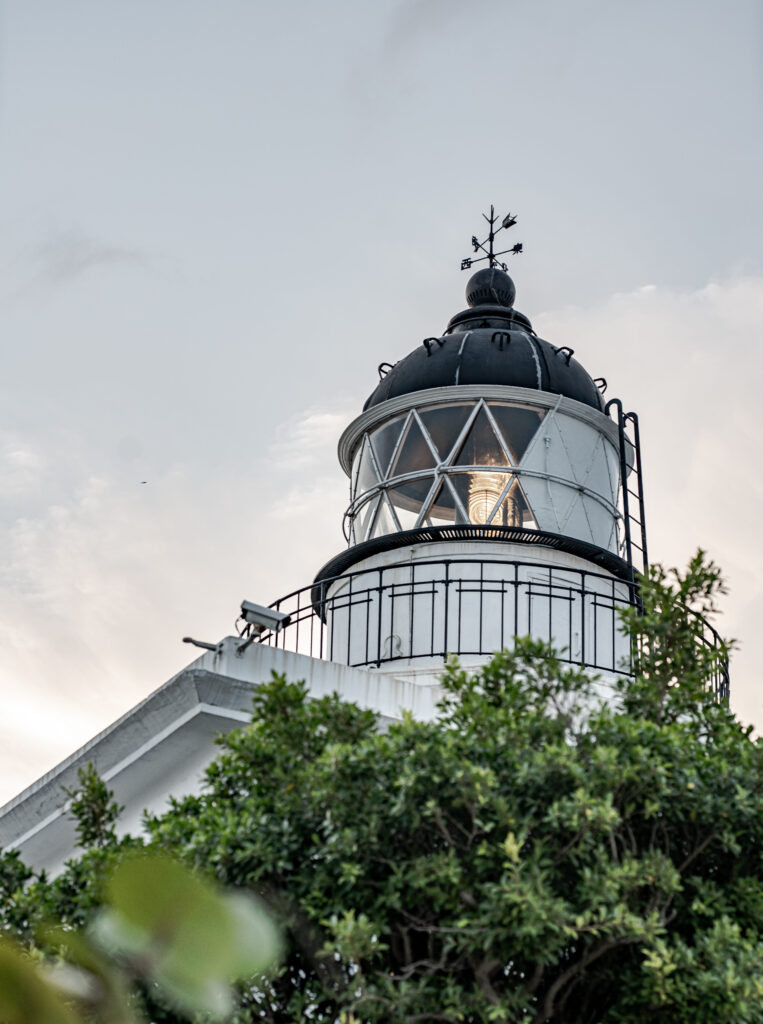
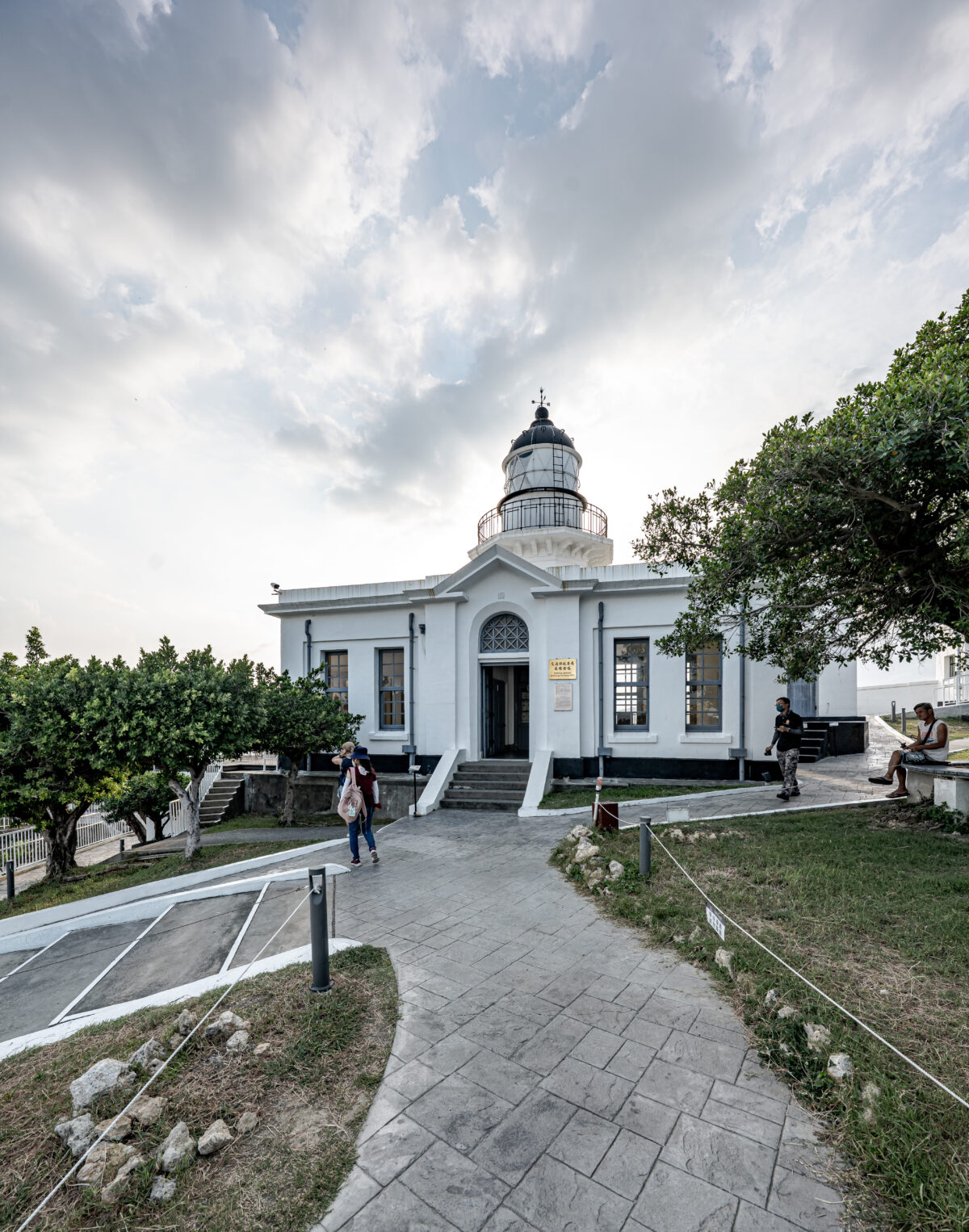
Current view of the Kaohsiung Lighthouse. (Image source/Yuanjiang Image Studio – Photography by Zhu Yiwen)
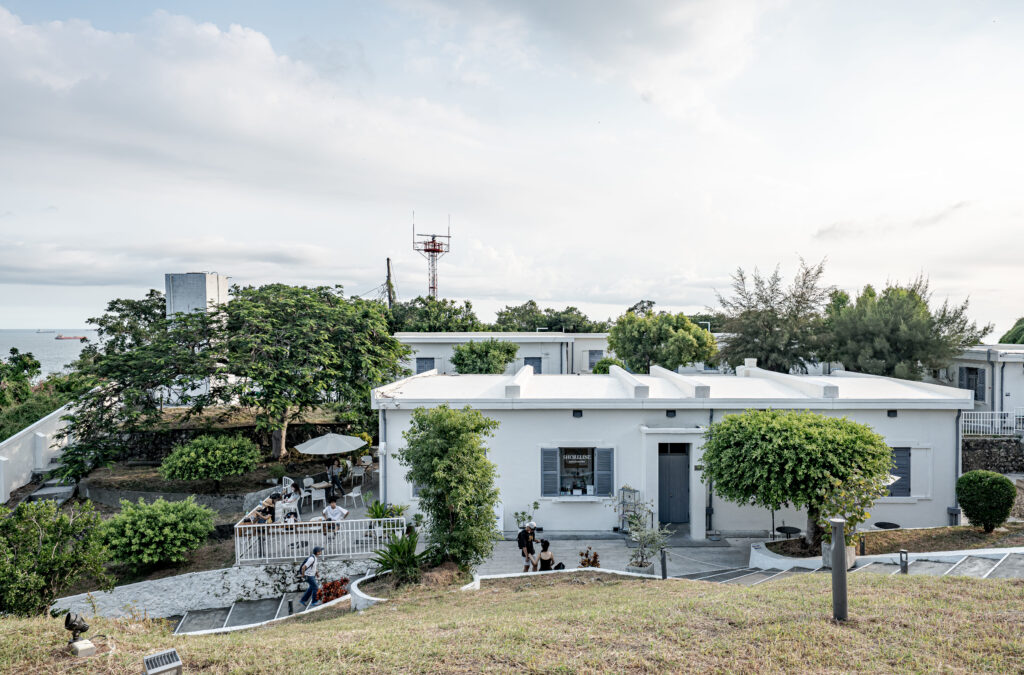
Shoreline Coffee has moved into the Kaohsiung Lighthouse park area. (Image source: Yuanjiang Image Studio – Photography by Zhu Yiwen)

Various resources in Cijin District are relatively insufficient due to transportation issues, leading to outbound migration of youth and low willingness to return home for employment and living. Therefore, connecting regional revitalization energy has become one of our important considerations. For this, we found a Cijin native youth – A-Qin, who is the principal of the local brand Shoreline Coffee & Roaster, where both coffee and light meals carry the atmosphere of a port city.

For this project, Coastline Coffee has moved into Kaohsiung Lighthouse. Our small team and Ah Qin discussed every detail, from developing lighthouse-exclusive products to planning the café seating, all with the hope that visitors can enjoy views of the harbor city while savoring ocean-inspired cuisine. Leveraging the advantages of Kaohsiung Lighthouse to energize the local community.
From Gushan to Cijin – Gushan-Cijin Ferry Service Local Revitalization Project

The Cijin Peninsula, located between Gushan in Kaohsiung and the open sea, has been used as a place for ships to dock and cross since ancient times. The Cihou Lighthouse at the northern end of the sandbar has watched over the harbor islands for over a hundred years, while the nearby ferry station connects with the Kaohsiung Port area, transporting crowds with frequent sailings.

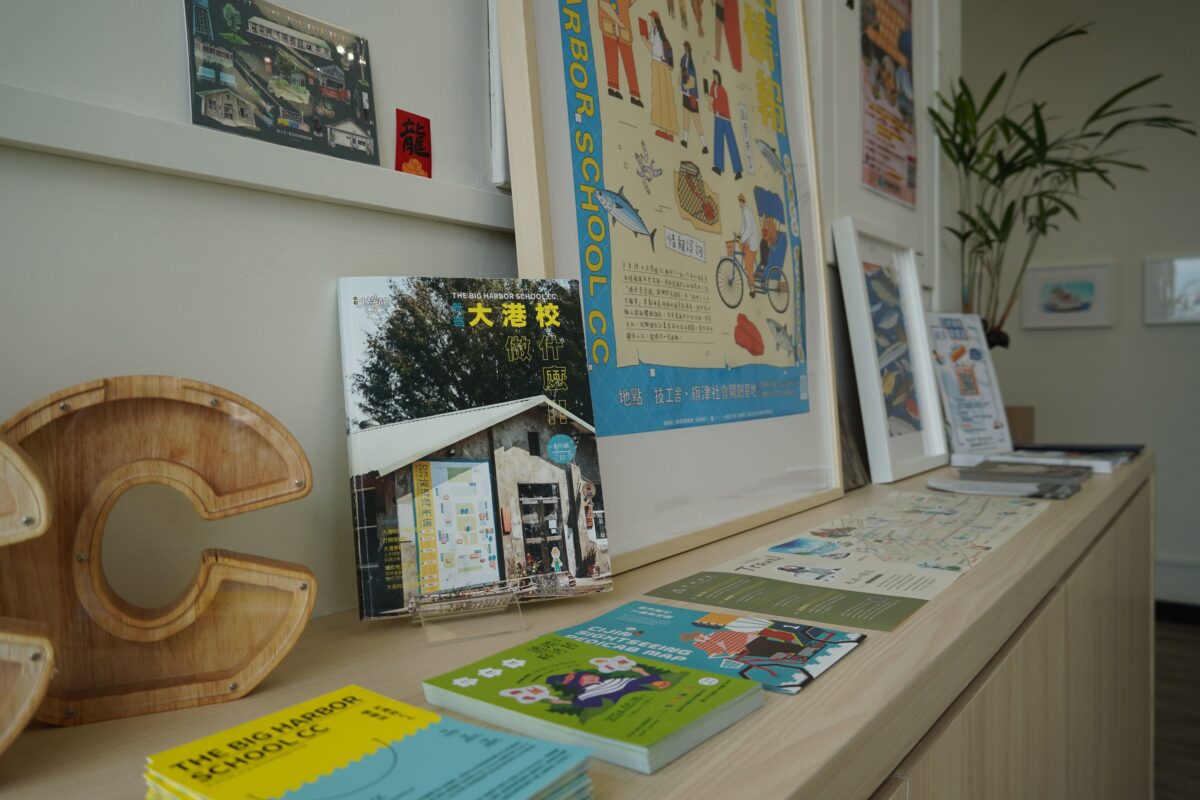
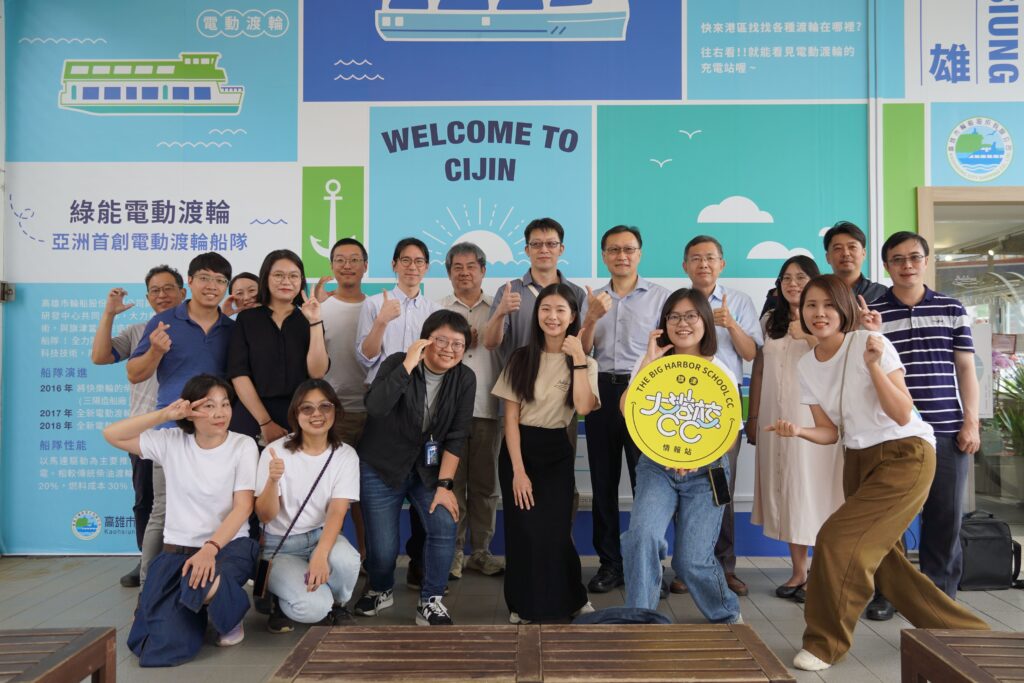
In 2024, our small team assisted the Kaohsiung City Ferry Company in implementing the ‘Drumming to the Ferry – Gushan-Cijin Ferry Service Local Revitalization Project.’ With a community-oriented outlook, we redesigned and renovated the interior space of the Cijin Ferry Station, inviting local businesses such as ‘Dusinia Coffee,’ a local self-roasting coffee shop, and ‘Dagang School CC,’ a local organization empowerment unit, to move in and operate. On May 1 (Wednesday), we held the opening ceremony for Dusinia Coffee’s second store and the ‘Aged Mangsi Market’ illustration exhibition to celebrate the reopening of the ferry station.

We are delighted to witness the Cijin Transportation Station, through the collaboration of numerous teams, integrate multiple functions including a youth innovation base, arts and cultural exhibitions, and food services, serving as both a starting point for in-depth travel in Cijin and fertile ground for returning youth to find their roots again.

The Cijin area was once the core of Kaohsiung’s development, nurturing generations of residents through shipbuilding, fishing, and aquaculture. After economic transformation, its tourism industry was fully developed; however, the concentration of tourist hotspots in the Cijin commercial district has led to relatively slower economic development in the Zhongzhou area.

Therefore, when planning the operation of the Cijin Ferry Station, our team envisioned this space as a future base for youth business development for Zhongzhou and surrounding areas, aiming to connect local artisan brands with tourism resources to drive the regeneration and creation of local value.

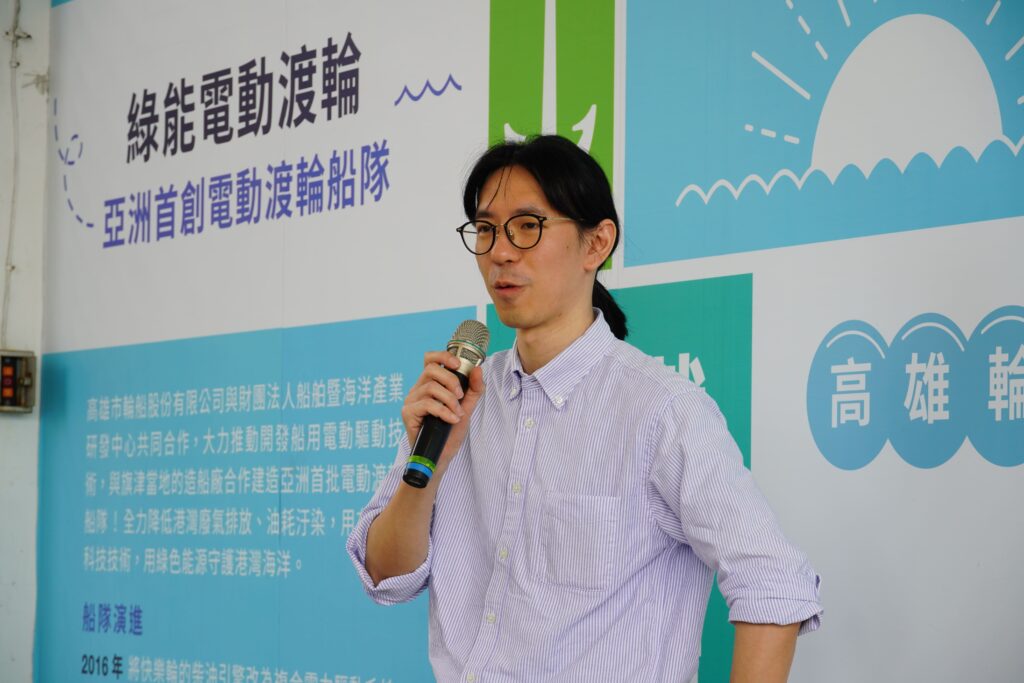
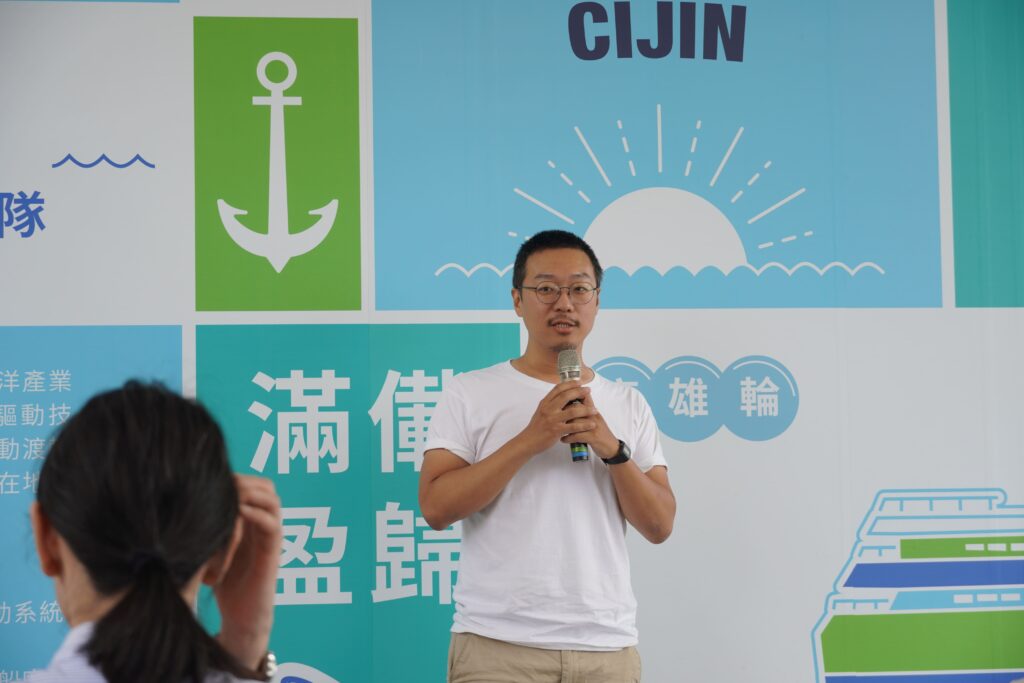
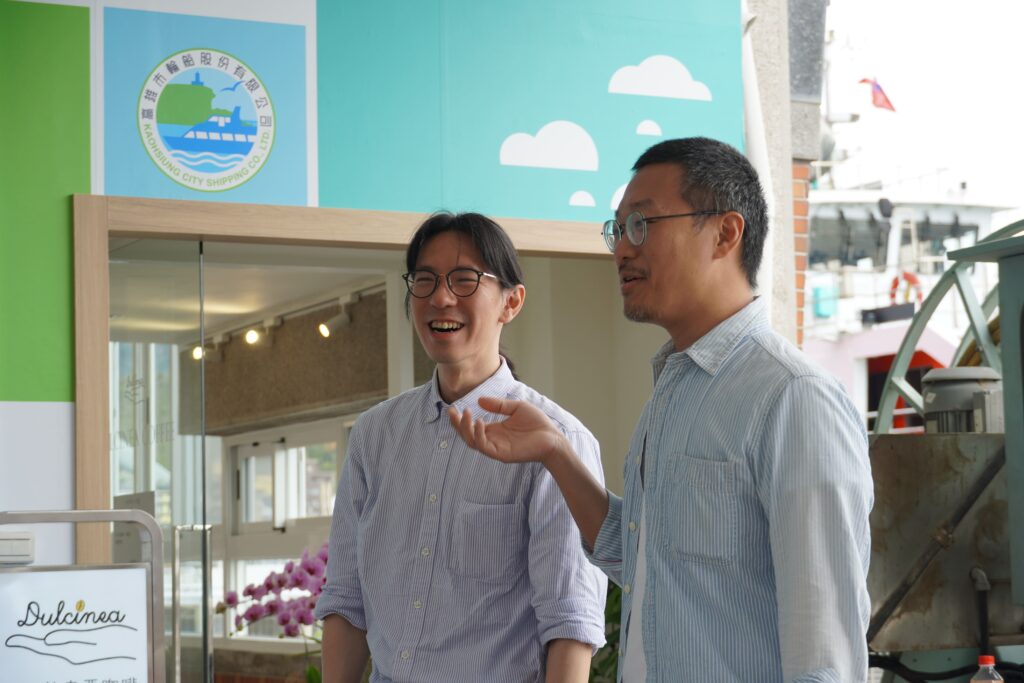
Associate Director Hsiao Ting-hsiung of X-Basic Planning explains the project team’s concepts and implementation process.
Professor Li Yi-zhi, the host of the Dagang School CC project, delivers a speech outlining the team’s vision.
Collaboration with the local empowerment organization Dagang School CC has enabled the X-Basic Planning team to connect with youth organizations deeply rooted in the community, using the ferry station as a base to jointly promote Cijin’s local culture.
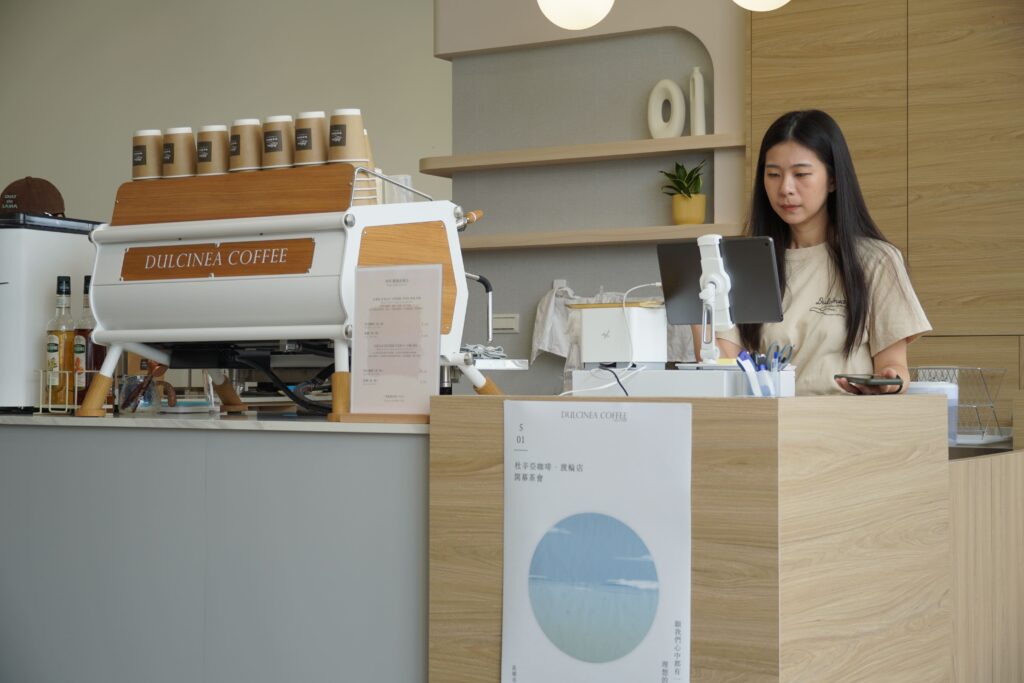
Dusinia Coffee, established by returning young locals, has set up its second shop at the Cijin Ferry Station.

Through our public benefit rental model, we have invited local businesses and organizations to move in, including ‘Dusinia Coffee,’ a local self-roasting coffee shop, and ‘Dagang School CC,’ which focuses on empowering local youth organizations. Their enthusiasm and creativity will continue to breathe vitality into the Cijin Ferry Station.

The ferry station opening tea party also served as a celebration ceremony for the opening of Dusinia Coffee’s second shop. The carefully prepared beverages and refreshments from the shop were the highlight of the event, and will continue to welcome travelers from around the world to the Cijin Peninsula with the rich aroma of coffee.

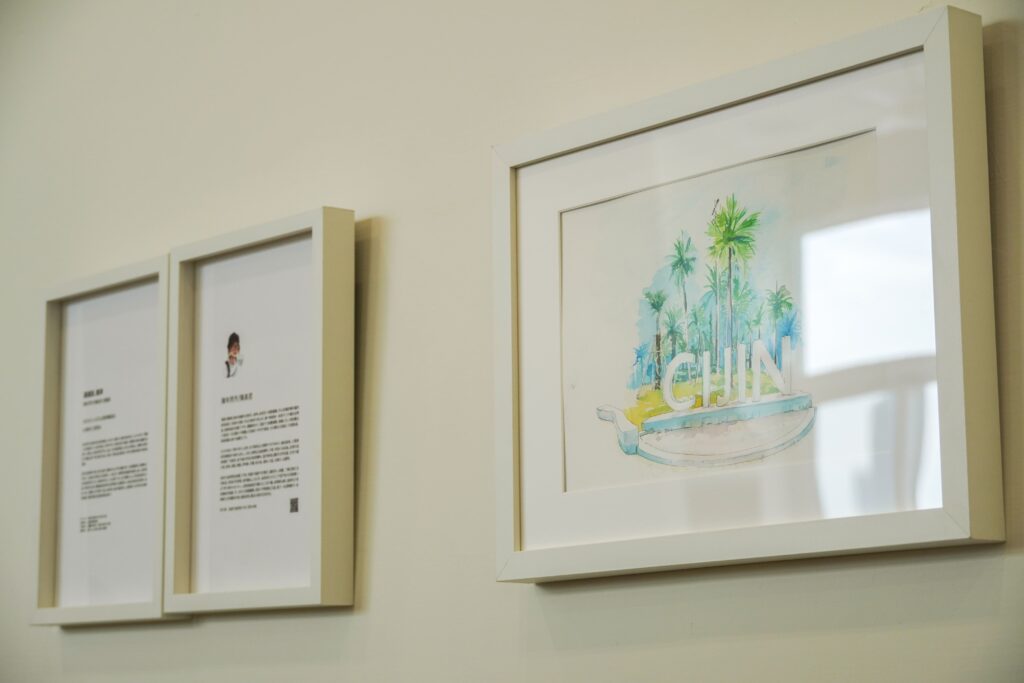
The first art exhibition at the Cijin Ferry Station was curated by the Dagang School CC team, featuring local artist ‘Chen Nian Wang Shi’ who creates illustrations interpreting Cijin’s landscape through colorful frames.

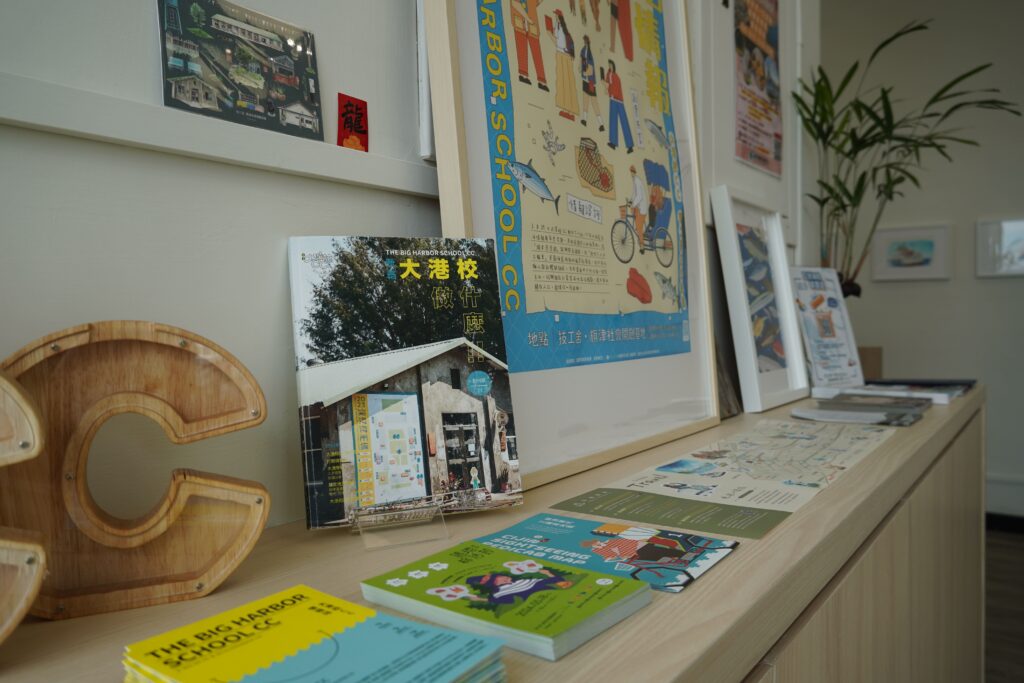
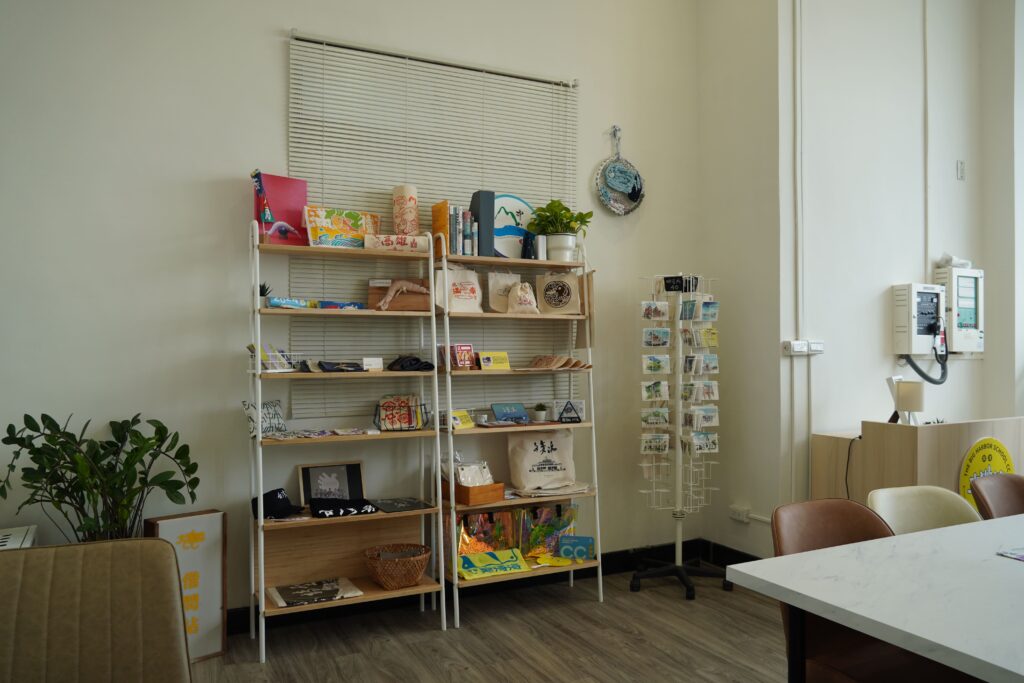
In addition to food services and art exhibitions, the ‘I-Center Cijin In-depth Travel Center’ operated with assistance from the Dagang School CC team will combine travel information with a map of local youth communities, providing in-depth travel guides for visitors. Furthermore, the creative products by local artisans sold at the travel center also showcase the cultural foundation of the Cijin area.

We hope that the I-Center Cijin In-depth Travel Center will become the starting point for cultural tourism in Cijin.

CDIB Capital Regional Revitalization Action Implementation Plan

Since the launch of the CDIB Capital Regional Revitalization Action Implementation Plan in 2023, X-Basic Planning has been commissioned by CDIB Capital and HAYASHI office to implement this project for two consecutive sessions. We are honored to work with the project director, Professor Lin Cheng-i, to promote the concept of local revitalization. We accompany local teams from all corners of Taiwan to gradually realize their visions, and developing innovative and sustainable business approaches derived from local cultural contexts.

For X-Basic Planning, a building is not merely an inorganic structure of bricks and tiles, but an organism carrying urban culture, constructing the spatial characteristics of each neighborhood as they evolve through the ages. However, imbalance and changes in urban and rural development are causing many landscapes to quietly disappear, with complex factors such as changes in the industrial environment and weakening sense of identity playing key roles—therefore, we view old houses as carriers of local potential, believing that their ‘rebirth’ should be closely integrated with local contexts, thereby forming a mutually beneficial cycle.

This year, we continue to prioritize the spirit of “Not finished yet, standing together. Being there, going the extra mile.” Through planning workshops, reading clubs, market activities, and site visits, we incorporate the experience accumulated by our team in promoting regional revitalization, aiming to reconnect places, people, and spaces, and together rediscover the abundant vitality of the land.

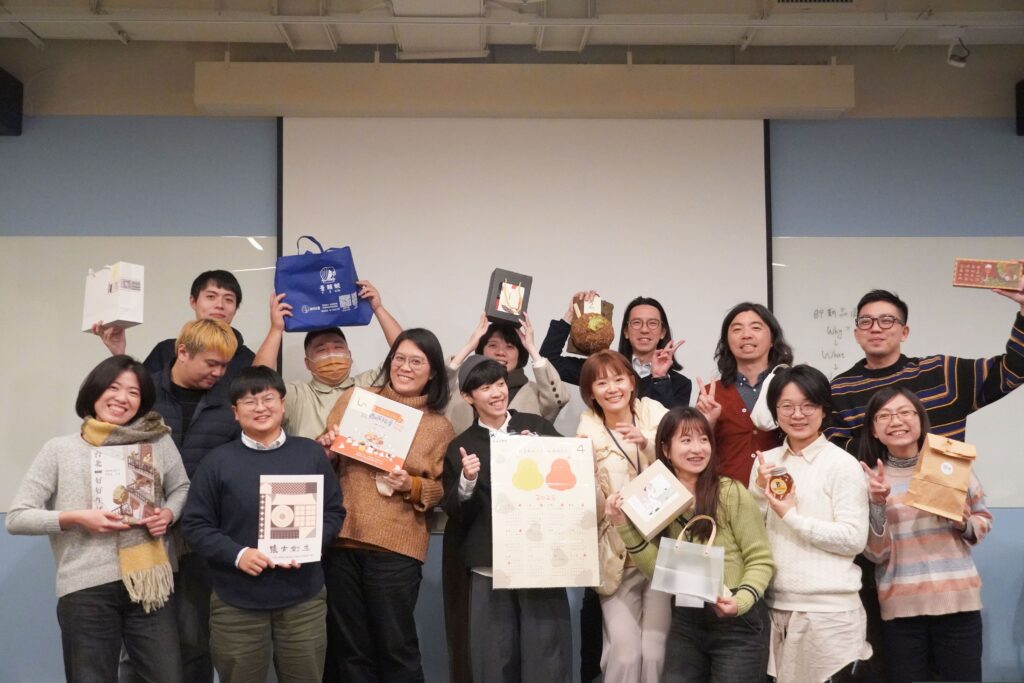
The project team with HAYASHI office CEO Lin Cheng-i (second from right, back row) and X-Basic Planning Director Hsiao Ting-hsiung (third from right, back row) at the mid-term workshop.
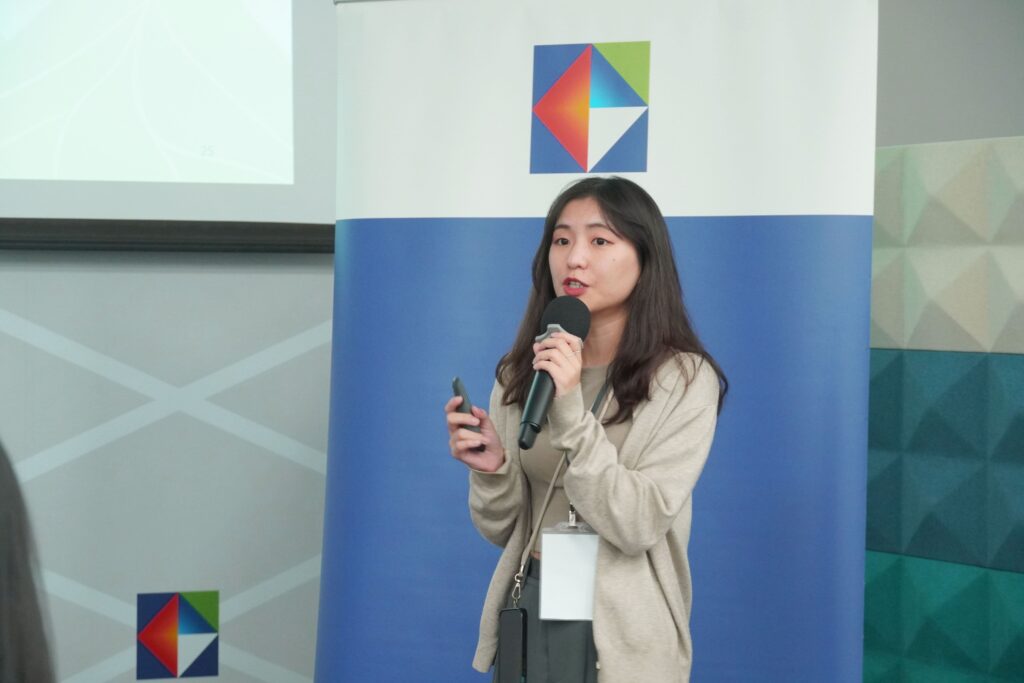
This session’s consensus meeting was planned by Tsai Yu-Hsuan, Director of X-Basic Planning’s Interdisciplinary Planning Department.

This year’s project teams focus on diverse issues, including local food culture promotion, beehive design, traditional craft transformation and revival, and reuse of fishing industry waste. During the implementation period of over five months, the X-Basic team has consistently provided assistance as ‘companions,’ inviting experts from various fields as mentors, building capacity through site visits, empowerment courses and workshops, and developing new approaches through brainstorming processes.

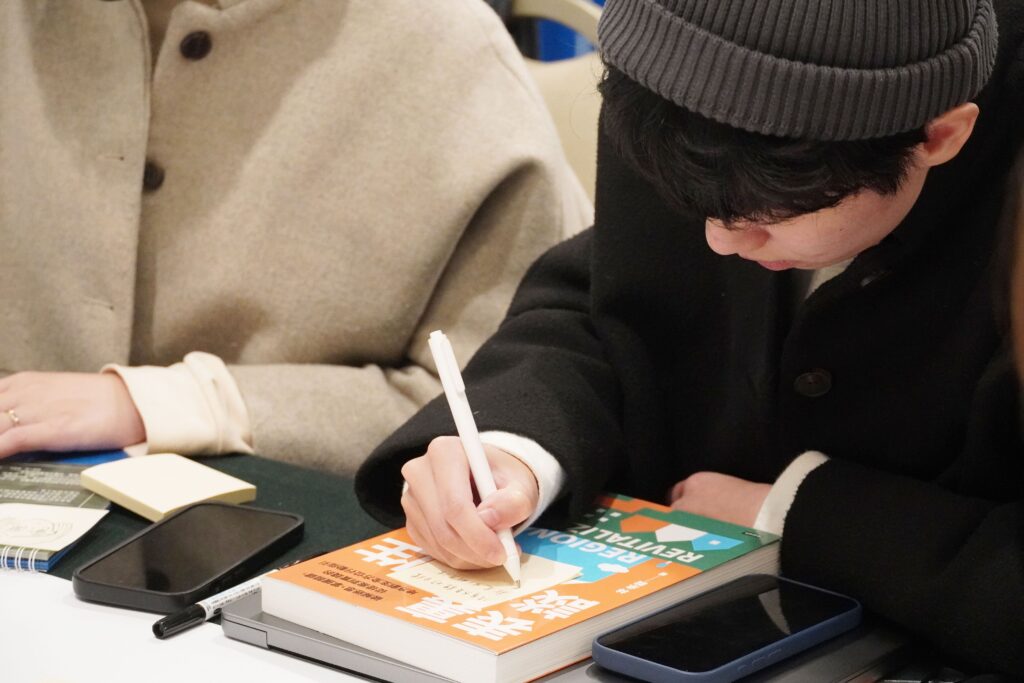
Although most teams initially adopted an independent implementation model, this time, beyond the existing workshops and charity days, the reading club specially arranged by Professor Lin Cheng-i unexpectedly facilitated actual exchanges and subsequent collaboration between teams. In addition, we invited the previous participating team Pan Tun International to share their implementation experience, passing on the sustainable spirit and practical knowledge of the project to this year’s partners.

Beyond organizational empowerment and local networking, the ‘social impact’ that the Local Revitalization Action Implementation Plan can bestow upon teams is also a major focus. For this purpose, KGI Financial Group has held charity markets for two consecutive years, with X-Basic Planning helping to invite teams, allowing products developed with everyone’s dedication to be showcased. This year’s charity day market with the theme of ‘Local Revitalization’ similarly launched on the last Friday before Christmas, with various teams transforming their passion for the land into creative products and cultural experiences, conveying the uniqueness and beauty of various parts of Taiwan through concrete actions.

We sincerely thank CDIB Capital Group and HAYASHI office for their invitation, allowing X-Basic Planning not only to care for urban and rural issues with our professional expertise but also to actually participate and work alongside local teams. Although we faced many challenges during this period—such as coordinating the schedules of CDIB Capital staff, mentors, project partners, and the X-Basic team, which was a major undertaking, with the effort spent on communication and coordination often exceeding expectations—it was precisely through these solid interactions that we were able to witness up close the difficulties of local regeneration, thereby conserving the precious momentum of the participating teams.

Among these, Tong Li Seafood proposed a recycling project for abandoned clam shells, which left a deep impression on Tsai Yu-hsuan, the Director of Cross-disciplinary Planning Department who was responsible for implementing this project at X-Basic. The sisters who run the business maintained their original intention throughout the project period, simply based on the spirit of environmental sustainability, repurposing waste from aquaculture into products such as diffuser stones, coasters, and eco-friendly cat litter, rather than viewing it as a means to pursue commercial interests. Their attitude of maintaining passion for their core business is admirable.

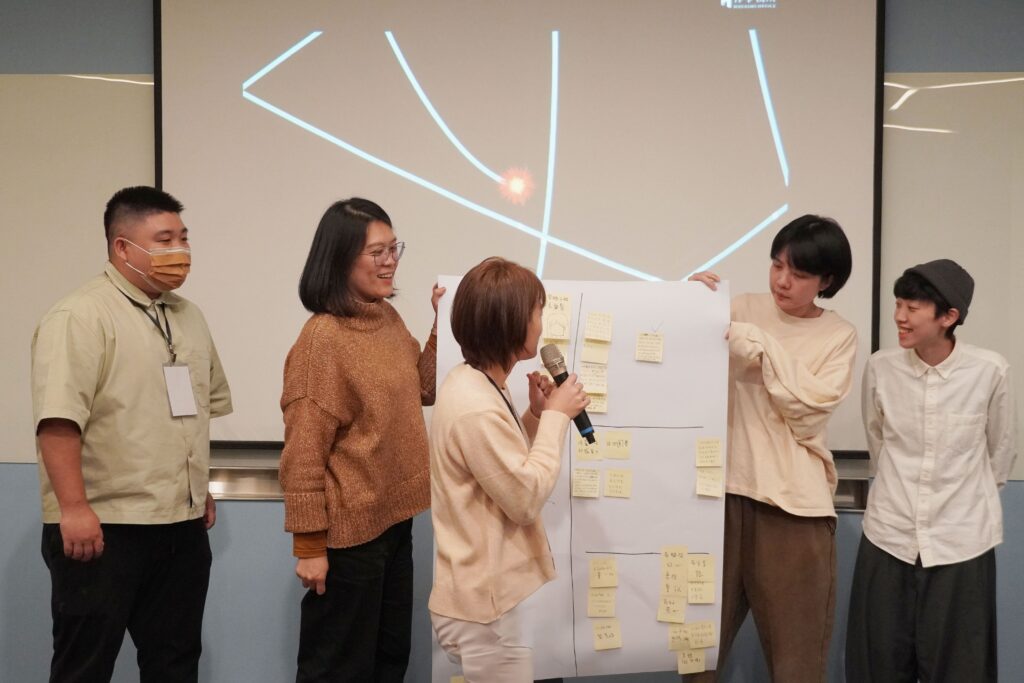
Project teams brainstorming during the workshop.

Reflecting on the experience of implementing two sessions of the project, X-Basic Planning has always focused on its role as a connector and facilitator. Through actual participation, X-Basic has begun to consider the possibility of deeper involvement in planning in the future. That all the effort and cultivation ultimately received recognition from CDIB Capital executives is the most direct encouragement and support for X-Basic colleagues, making all challenges particularly meaningful.

The dedication of ten project teams has injected endless regenerative energy into various parts of the island, allowing the public to see how place names and memories about to be forgotten beneath the rapidly changing faces of cities, countryside, rivers, and forests can find their footing in contemporary society. The CDIB Capital Local Revitalization Action Implementation Plan is not a phase-based task, but a long-term journey toward cultural and environmental sustainability. We look forward to witnessing more creative seeds rooted in the land sprouting and thriving in the future, becoming an ecological network that shelters the local environment and supports the coexistence of all living things.