
People-Centered Support System for Old Houses: 11/1 SAT. ‘Beyond Aged’ Taipei Book Launch Event
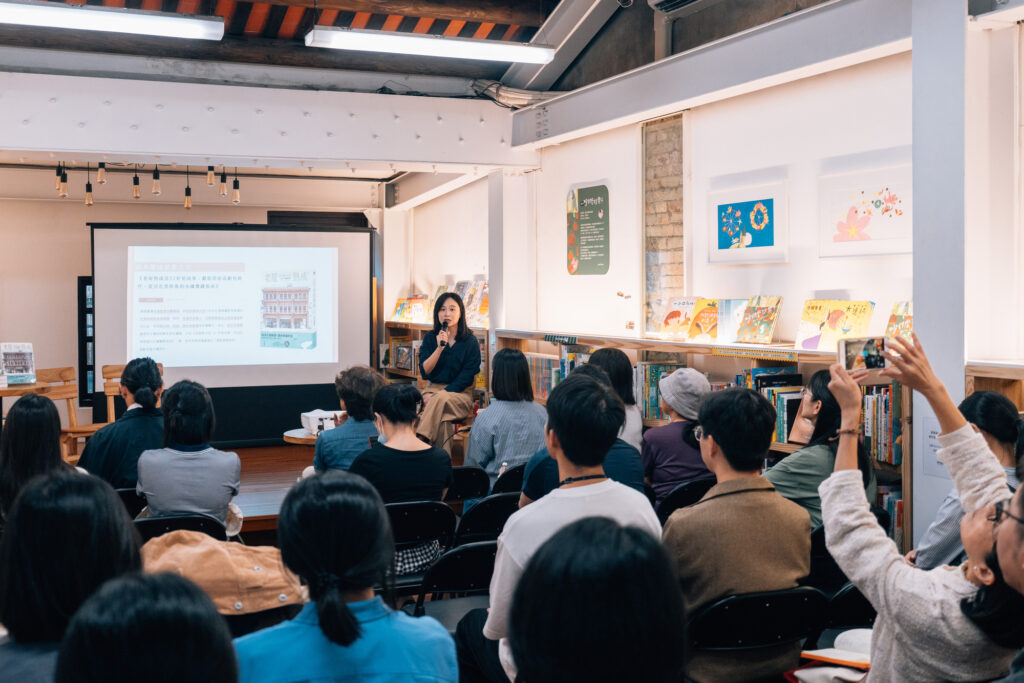
This launch event was once again hosted by Wu I-yen, head of ArchiWalk Co-creation and Integration and editorial consultant for the book. Three speakers from the X-Basic team shared four moving regeneration stories from completely different perspectives: Taipei Office Manager Liao I-ting analyzed the strength accumulated through long-term professional team engagement using as examples the Chang-Yuan Hospital Lukang Historical Image Museum and the Heritage Official Residence of Nan Gou Gunshu; Pan I-hsun, who serves as both the Director of Taipei Office Planning Department II and promoter of the Xinpu Pan Jinhe Residence regeneration, eloquently shared the family struggles, cohesion, and decisions in the regeneration process; Senior Consultant Hsieh Pei-chuan explained how the owner of Yuan Gu Creative Shop gave public significance to privately-owned cultural assets through cultural heritage, establishing a practical model of revitalization before restoration.
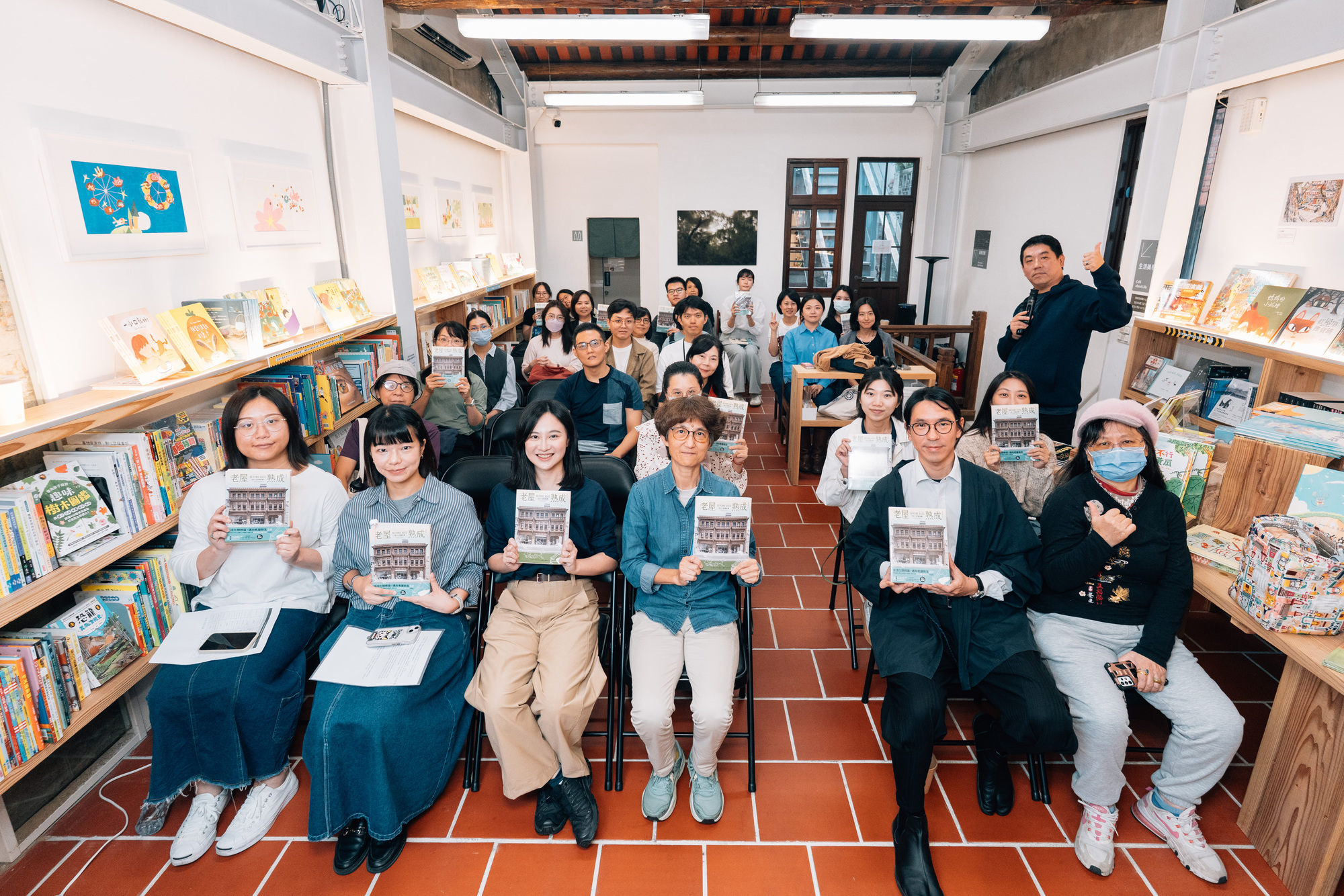
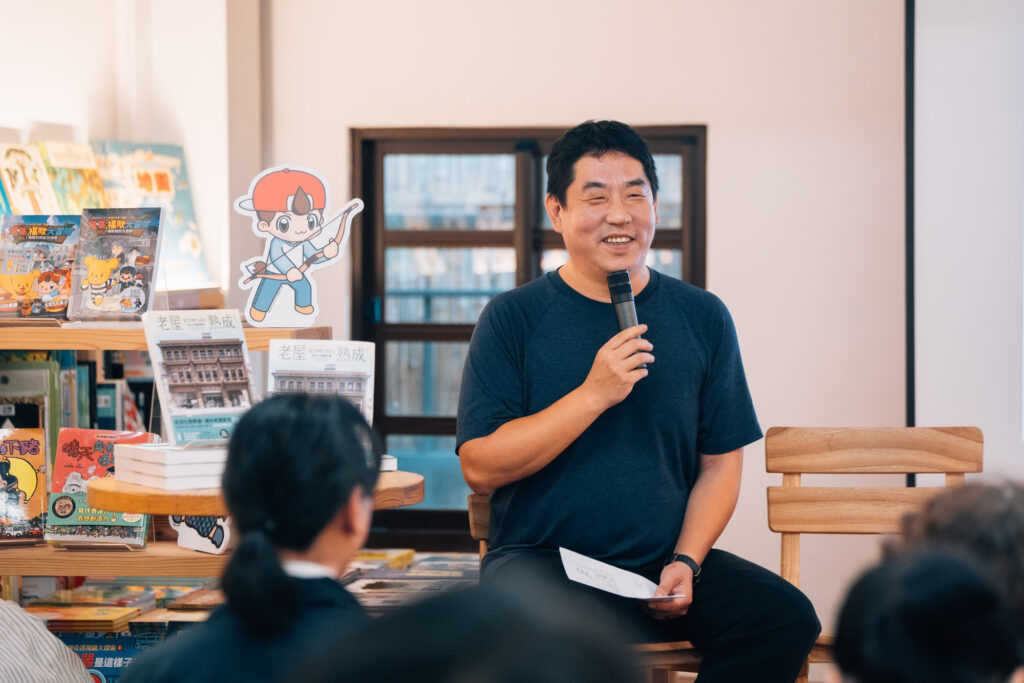
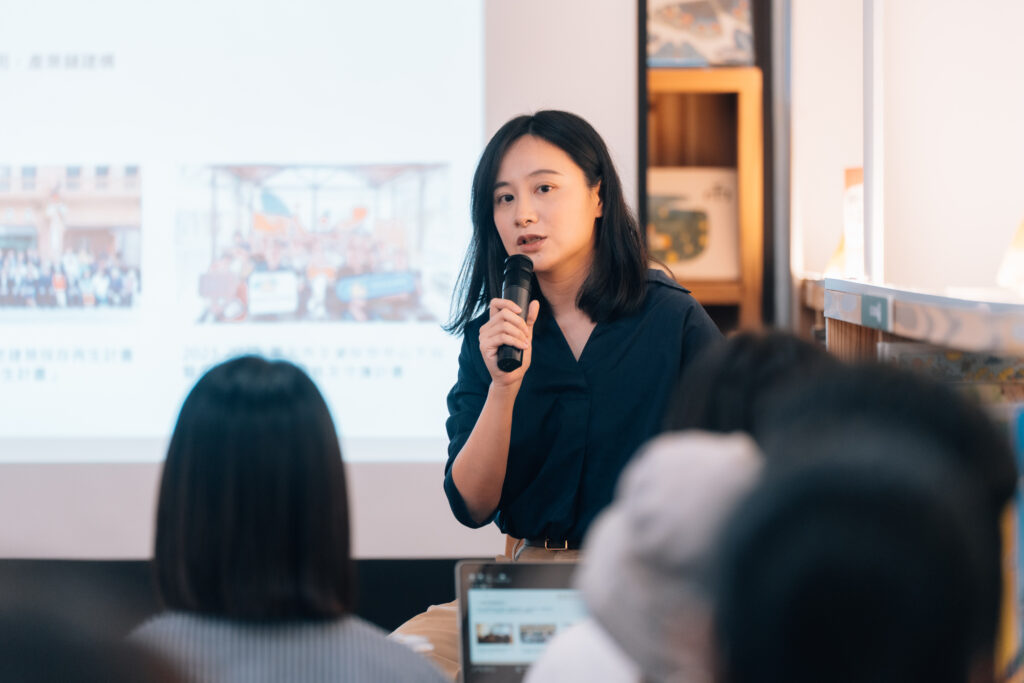
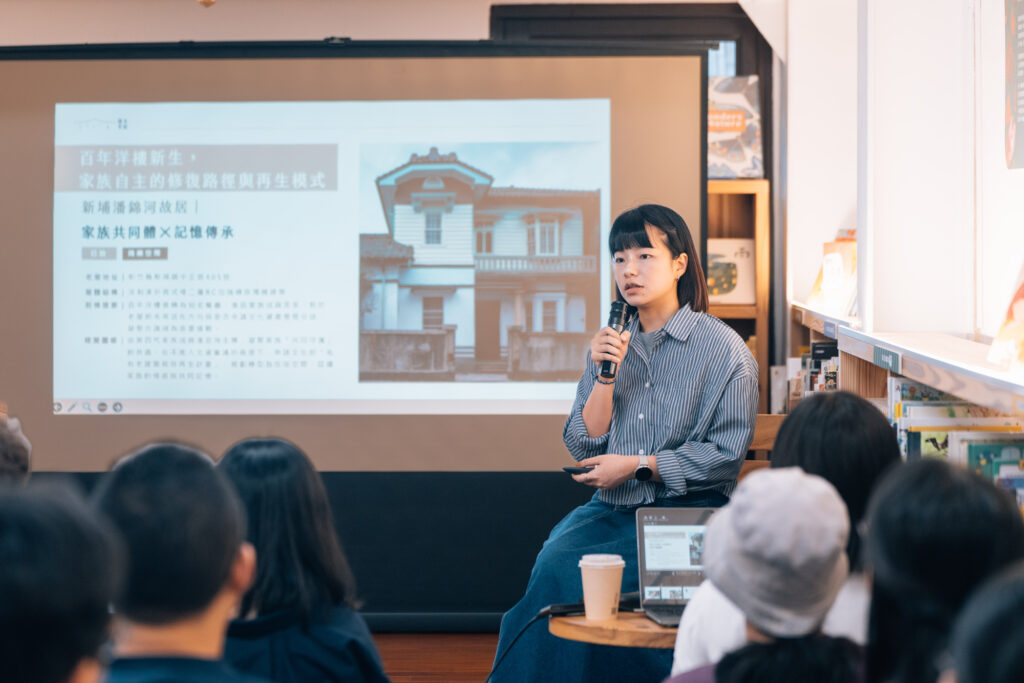
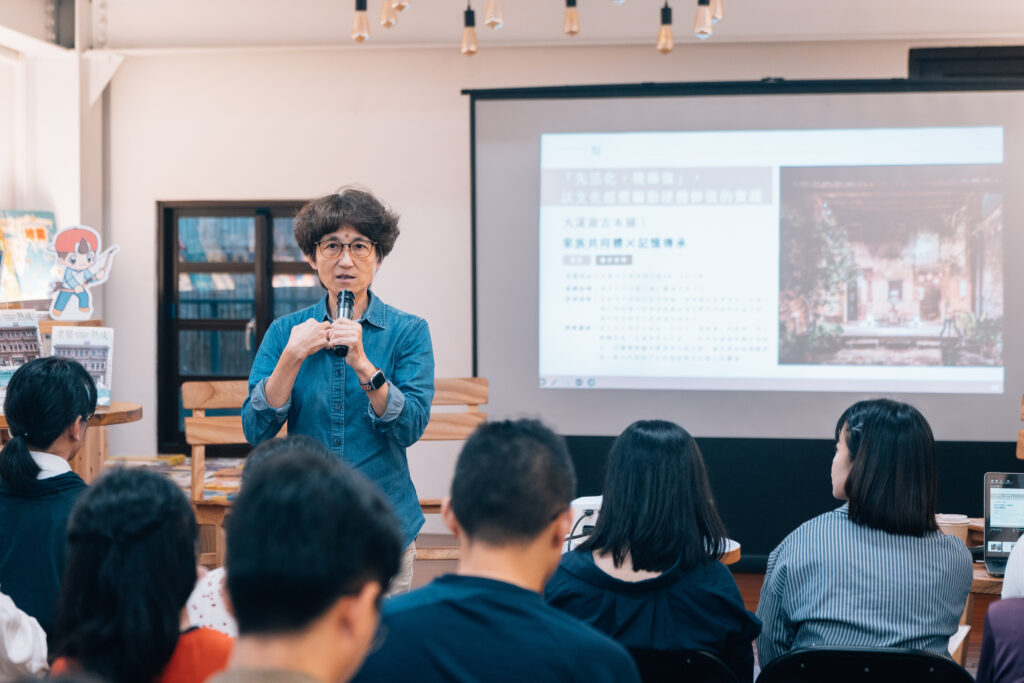
Figure 1 / Group photo from the ‘Beyond Aged’ Taipei book launch event. (Image source / Gather Feather Studio – Photography by Ku Chia-li)
Figure 2 / Wu I-yen, head of ArchiWalk Co-creation and Integration and editorial consultant for the book, hosting the launch event. (Image source / Gather Feather Studio – Photography by Ku Chia-li)
Figure 3 / X-Basic team’s Taipei Office Manager Liao I-ting sharing the book’s content and regeneration stories of the Chang-Yuan Hospital Lukang Historical Image Museum and Heritage Official Residence of Nan Gou Gunshu. (Image source / Gather Feather Studio – Photography by Ku Chia-li)
Figure 4 / X-Basic team’s Planning Department II Director Pan I-hsun discussing the restoration and revitalization process for the Xinpu Pan Jinhe Residence. (Image source / Gather Feather Studio – Photography by Ku Chia-li)
Figure 5 / X-Basic team’s Senior Consultant Hsieh Pei-chuan explaining how the owner of the Yuan Gu Creative Shop established a practical model of revitalization before restoration. (Image source / Gather Feather Studio – Photography by Ku Chia-li)
4 Symbioses Between Old Houses and People
Building a Century-old Memory Habitat Based on Trust: Chang-Yuan Hospital Lukang Historical Image Museum
Located diagonally across from Yu Jen Jai in Lukang, Chang-Yuan Hospital once served as Dr. Hsu tu’s clinic and photographer Hsu Tsang-ze’s darkroom. After it was shut down, it was guarded and cared by the Hsu family’s grandmother, Shih Hsiu-hsiang, who inspected and repaired the space day after day, preserving the memories of four generations of family history within. Facing this residence-clinic filled with memories, the X-Basic team’s revitalization work began with numerous heart-to-heart conversations. Although the owner, Dr. Hsu Cheng-yuan, was determined to restore the old house, the family initially had their concerns. They feared that the complicated process of applying for repair subsidies would not keep pace with the building’s deterioration. To address this, the X-Basic team proposed a pragmatic and flexible ‘phased activation’ strategy, starting with minor renovations in the first section of the Han-style shophouse, then gradually building mutual trust and cooperation between both parties.
After the first section was restored, it immediately launched the ‘Keep-Warm Project’ through a charitable rent exchange model, allowing the space to stay active and operational while waiting for the rest of the building to be restored. The early interviews and historical images carefully collected by Dr. Hsu Cheng-yuan were transformed by the X-Basic team into multiple exhibitions telling different aspects of the Hsu family story. Liao I-ting expressed heartfelt reactions, sharing that: ‘Every family has its own unique story. If you have the opportunity, try to talk more with your elders, or collaborate with a professional team to systematically organize your family stories.’
It was this long-term partnership of interviews, research, curation to operation that laid a solid foundation of trust needed to restore the whole building. Even after repairs, maintenance remains a major challenge – recent heavy rainfall in Lukang caused previously conserved murals to developed new issues, creating the unique scene of ‘eating aiyu jelly while watching craftsmen work wonders’ once again. This ongoing process of confronting and overcoming challenges turned the restoration site itself into a space for public communication, allowing this century-old doctor’s house to maintain the warmth of ‘home’ throughout its transformation.
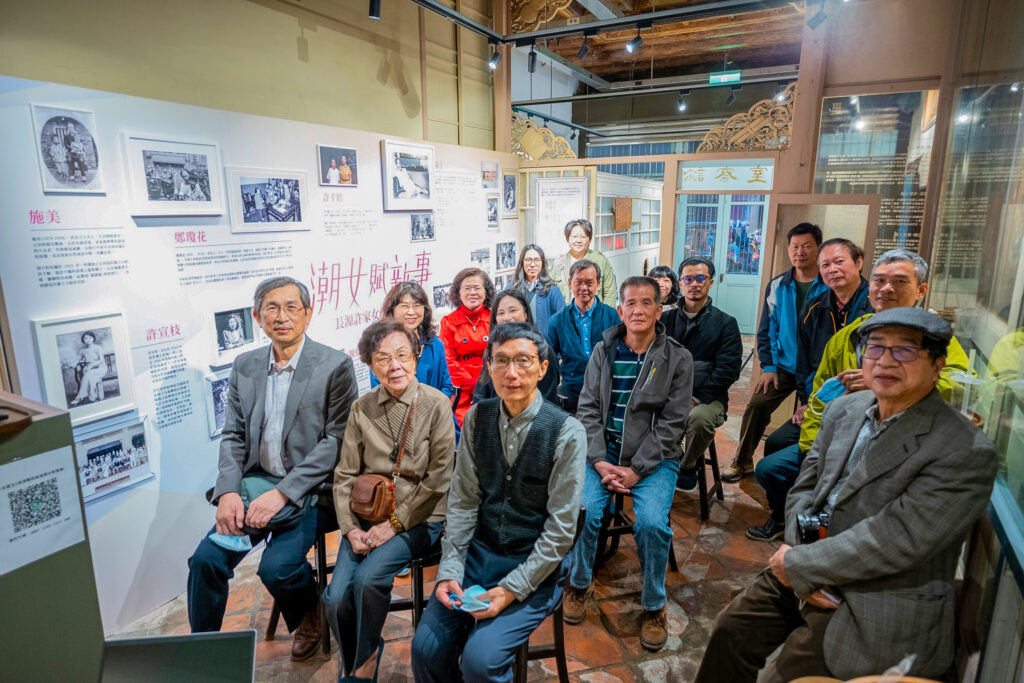
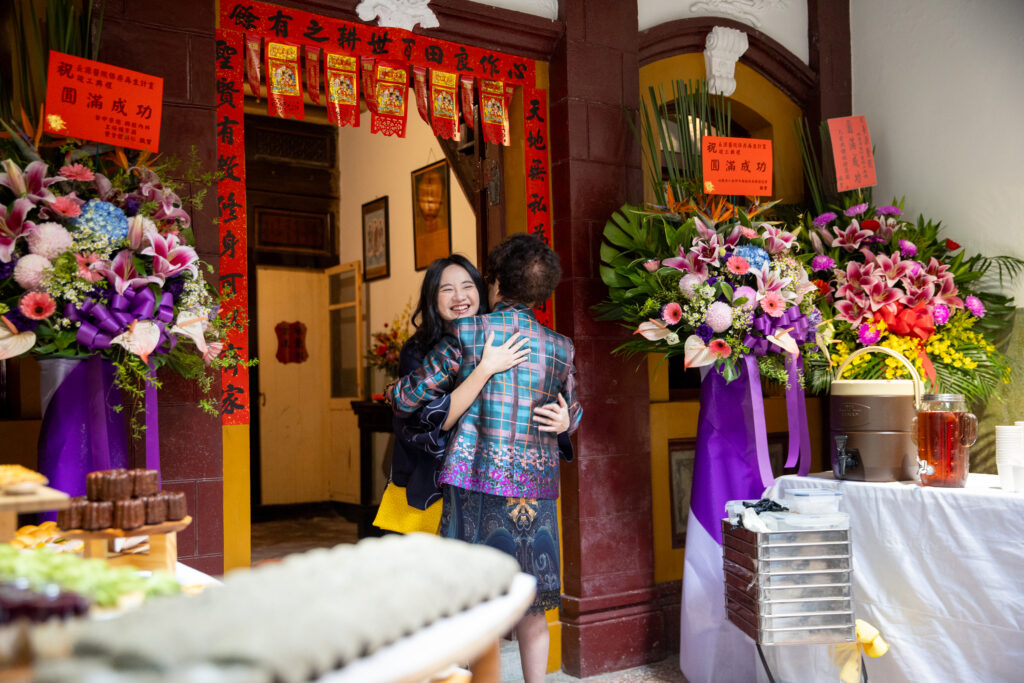
Figure 1 / The 2022 ‘Renewing the Stories of Women’ special exhibition focused on the life stories of the women of the Hsu family. This is a group photo from photographer Chang Tsang-sung’s lecture.
Figure 2 / At the 2023 completion ceremony for the full restoration of Chang-Yuan Hospital, the smiles and embraces of the Hsu family members were the warmest and most genuine feedback for the X-Basic team. (Image source / Sandwich’s Cinema Production – Photography by Chang Ming-chih)
Using education as a catalyst to give contemporary meaning to old dormitories: Heritage Official Residence of Nan Gou Gunshu
The scene shifts to nearby Changhua City. The regeneration of the Heritage Official Residence of Nan Gou Gunshu, hidden among residences and fallen into disrepair, originated in the independent action of local teachers and students. In 2017, when teachers and students from nearby Nan Guo Elementary School stumbled upon this dormitory complex, their initial intention was not to recognize it as cultural heritage site, but simply to consider ‘how to help students learn about these old houses?’ Through environmental clean-ups and carefully designed curriculums, they gradually transformed the site into an educational hub.
Manager Liao I-ting shared that the X-Basic team members became involved as facilitators of the ‘Youth Community Engagement’ project. The core mission is ‘helping children realize what they want to do through professional methods.’ The team continuously introduced external resources, collaborating with teachers and students to organize exhibitions such as ‘Aspiration Nan Guo,’ ‘Illustrated Changhua City,’ and ‘Alley 174: Childhood Memories.’ These efforts transformed children’s creativity into more concrete community actions and gradually built local identity for the dormitory complex. As the dormitory complex entered the formal cultural heritage restoration process, students, teachers, and the team continued to preserve this bottom-up energy, guiding children to explore the space through workshops, hoping to incorporate their visions for the dormitory’s future into the official restoration plan.
Today, the Heritage Official Residence of Nan Gou Gunshu has entered a four-year comprehensive restoration project. The earlier ‘Old House Warm-up’ strategy not only gathered public attention for the dormitory complex but also implanted personal memories of hometown and place in the hearts of children who had participated in the space revitalization.
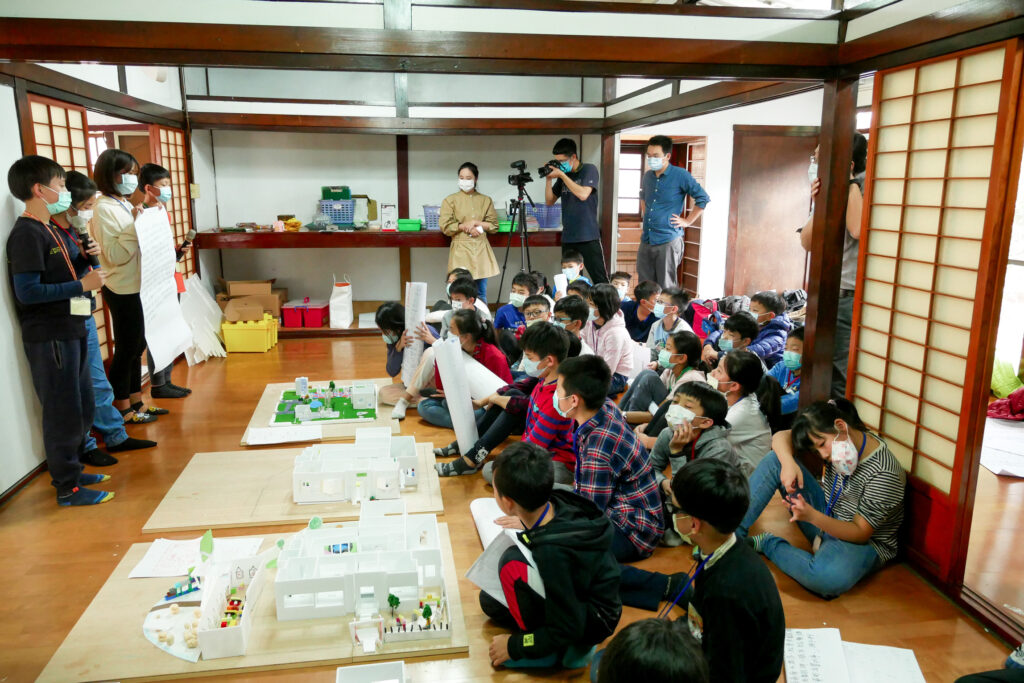
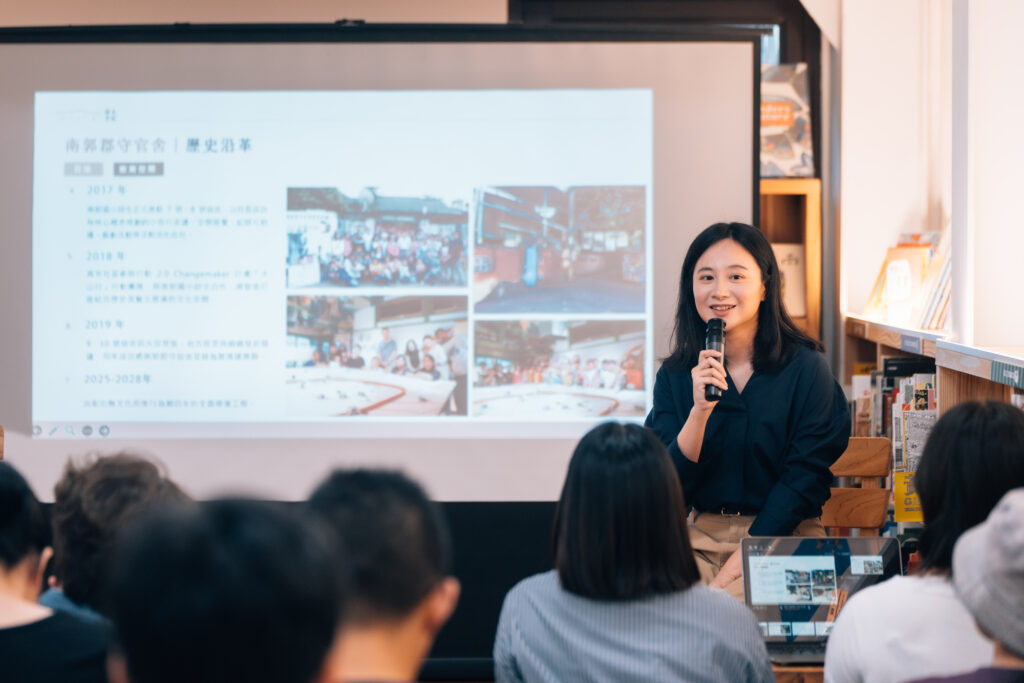
Figure 1 / The ‘Aspiration Nan Guo’ exhibition in 2021, where the X-Basic team collaborated with Nan Guo Elementary School, inviting children to present their visions for the dormitory complex through models. (Image source / Nan Guo Elementary School, Changhua City, Changhua County)
Figure 2 / Manager Liao I-ting sharing the regeneration story of the ‘Heritage Official Residence of Nan Gou Gunshu.’ (Image source / Gather Feather Studio – Photography by Ku Chia-li)
Preserving the Warmth of Home with a Mission of Heritage: Xinpu Pan Jinhe Residence
While professional teams can certainly provide support for old house regeneration, the homeowner’s own sense of mission to pass down family memories remains the core driving force behind old house revitalization. Pan I-hsun, the current Director of Planning Department II at X-Basic Team’s Taipei Office, continued by sharing the regeneration process of the Xinpu Pan Jinhe Residence from a family perspective. This Western-style building from the Japanese rule period, which blends Western, Japanese, and Chinese elements, is not only an important landmark in the Xinpu area but also carries the cherished memories of the Pan family.
In 2019, a public petition to designate the residence as a cultural heritage site prompted family members to engage in years of communication, ultimately reaching an emotional consensus to ‘protecting the family’s legacy together.’ They chose to apply for the Ministry of Culture’s Private Old Building Preservation and Regeneration Plan subsidy without entering the formal cultural heritage review process. This allowed them to utilize public sector resources while maintaining maximum autonomy over restoration methods and future revitalization.
To put this consensus into action, Pan I-hsun, a fourth-generation family member, decisively changed her career path and enrolled in the Graduate Institute of Architecture and Cultural Heritage at Taipei National University of the Arts to study heritage conservation. She took lead in the restoration work, and even joining the X-Basic team by chance, attempting to restore the building to its colors in people’s memories. Director Pan I-hsun frankly admits that the process was not accomplished overnight, ‘We were never quite certain what we wanted to do (with the future of the old house), and we continued having discussions as recently as last year.’ It was precisely through ongoing brainstorming that the family’s consensus gradually evolved from mere preservation to a more long-term vision of sustainability. This facilitated a stable path for the old house’s operation that preempted loss of focus with each renewal of tenants. The now fully restored Pan Jinhe Residence has been jointly planned by the X-Basic team and the Pan family as a guesthouse, meant to recapture and honor the essence of the building—while it will always be home for the family, opening it as a guesthouse allows the space to regain the warmth of a lived-in home.
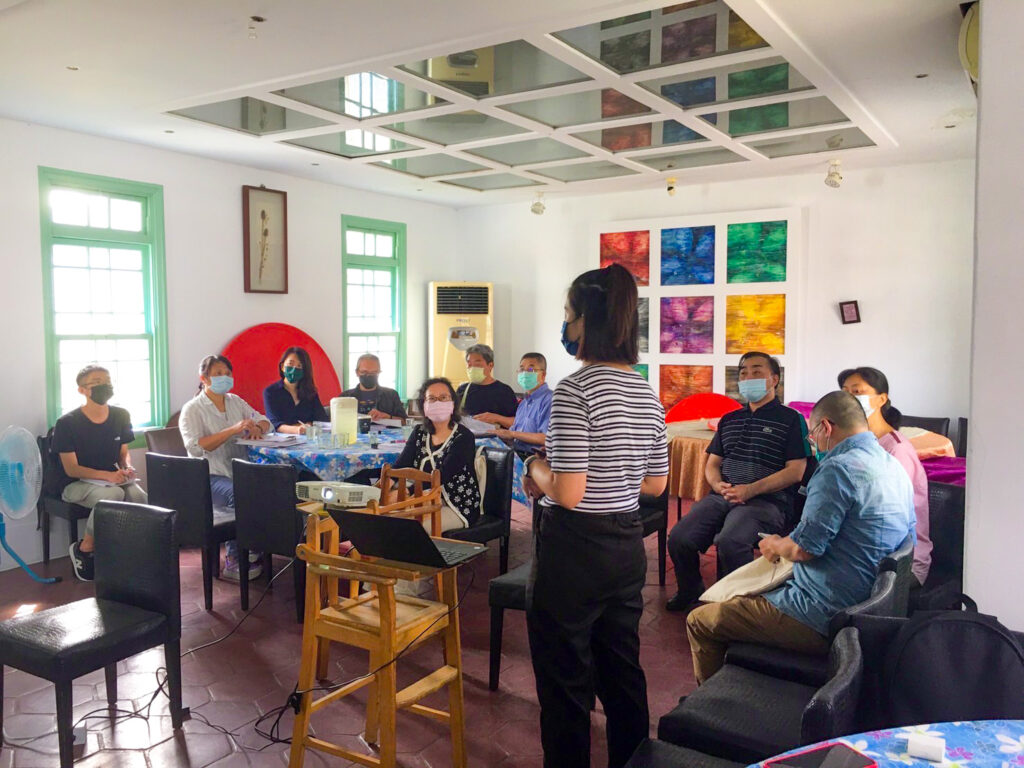
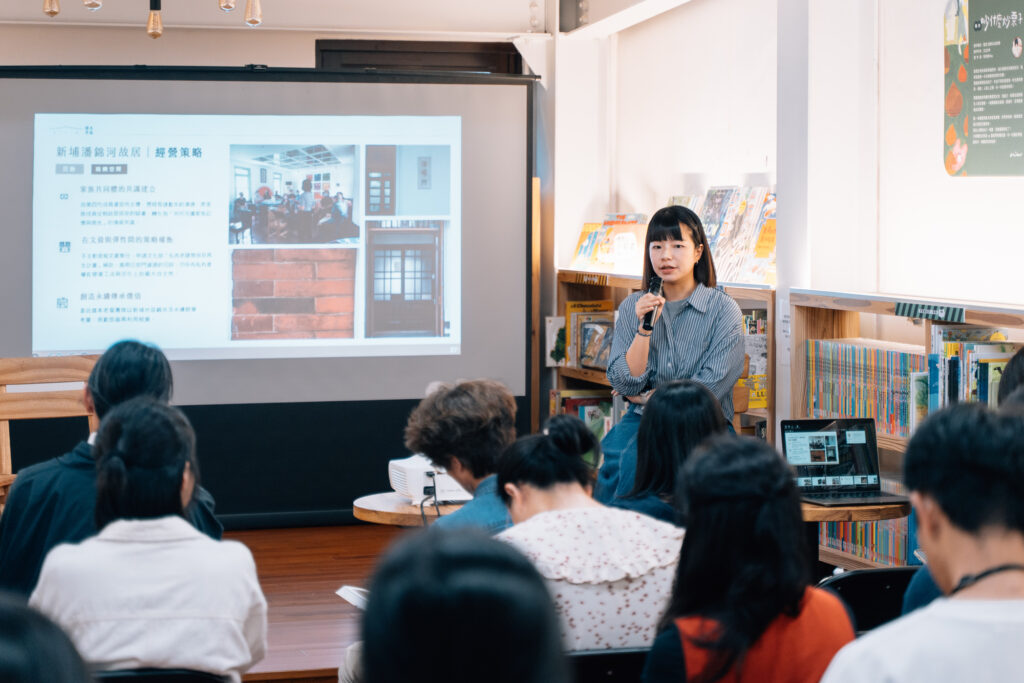
Figure 1 / Pan Jinhe Residence applied for and received funds from the Ministry of Culture’s Preservation and Regeneration of Old Buildings, with public-private cooperation to restore the old house. (Image source / Provided by Pan I-hsun)
Figure 2 / Director Pan I-hsun shares the regeneration story of the Xinpu Pan Jinhe Residence. (Image source / Gather Feather Studio – Photography by Ku Chia-li)
Revitalizing Old Houses Through Cultural Management: Yuan Gu Creative Shop
Unlike Chang-Yuan Hospital and the Pan Jinhe Residence, which are examples of privately-owned historic buildings finding new life, the case of the Yuan Gu Creative Shop shared by Senior Consultant Hsieh Pei-chuan illustrates another possibility: After obtaining cultural heritage status, how can homeowners persevere to accompany their ancestral home through the long restoration process? How should the public-private boundaries of privately-owned cultural heritage be established?
Located on Heping Old Street, Yuan Gu Creative Shop witnessed the prosperous past of the Daxi area and was successfully designated as a historic building after Ms. Ku Cheng-chun, the fifth-generation owner, took over its management. However, she immediately faced dual challenges: Besides the long wait between obtaining cultural heritage status and accessing actual restoration resources, the space–still used as a private residence–often suffered from strangers trespassing. For this reason, she gently defined the public nature of the old house through a series of cultural events. She also insisted on not renting out the arcade to preserve a resting place for passersby and regularly hosted arts and cultural performances inside the residence. This allows the public to engage with the old house within friendly boundaries, which also generated initial momentum for the space’s restoration.
This approach of reconnecting the space with everyday life, combined with the Ku family’s respect for the “wabi-sabi” aesthetic and their tradition of valuing objects, extended into a unique restoration philosophy: the traces of aging left by time and family use were carefully preserved, old materials discarded from construction were repurposed into furniture and flooring, making the building’s life journey clearly visible. Now operating as a Folk Culture Museum, Yuan Gu Creative Shop has found a fitting identity. Through exhibiting the family’s everyday collection, inviting local elders to share their skills in the “Ageless Craftsmen” series of activities, and the upcoming annual special exhibition “Enduring Affection—Fermentation, Handcrafts, and Folk Art Collection” opening on November 5, this old house has finally embraced its new life in a form closest to its essence.
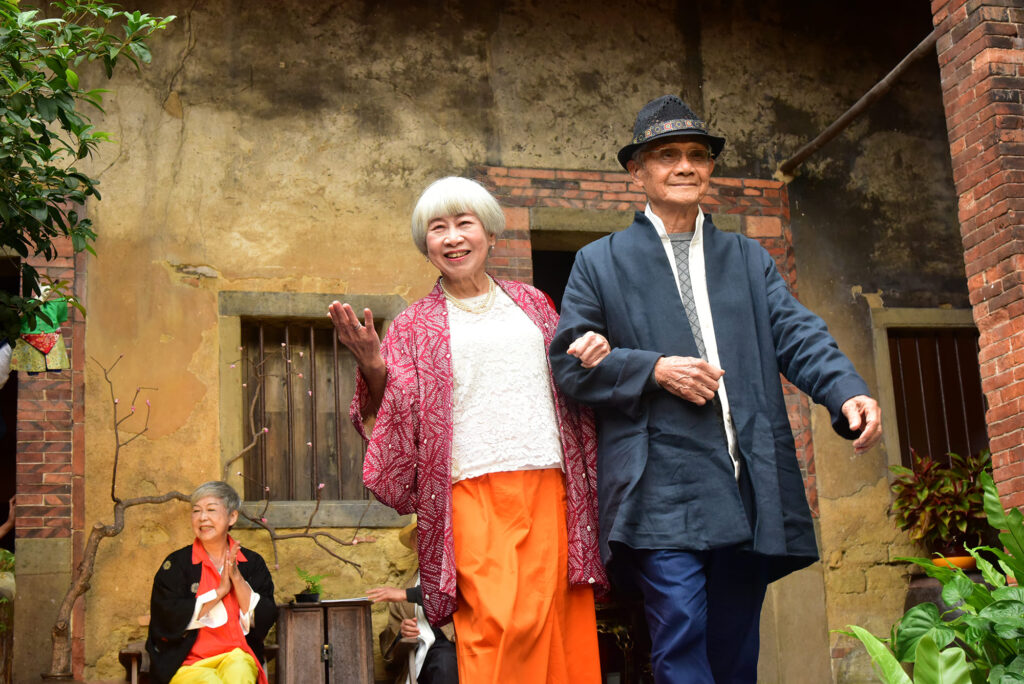
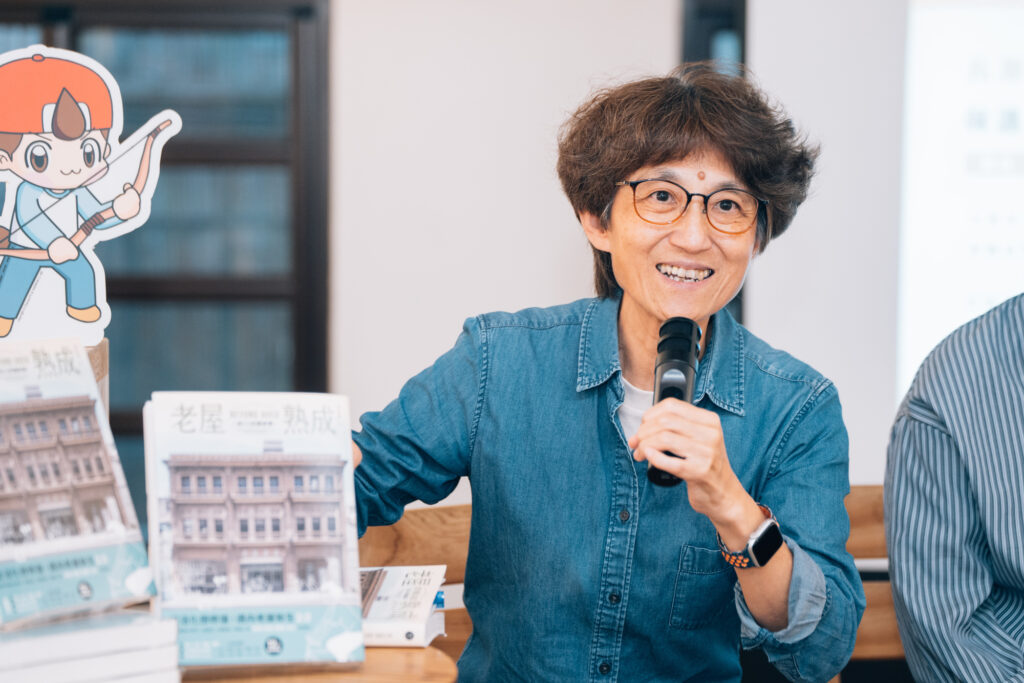
Figure 1 / The “Eclectic Times – Ageless Craftsmen Vibrant Fashion Show” event, featuring Daxi area’s local elders as models, bringing life to old houses and vintage clothing. (Image source / Provided by Yuan Gu Creative Shop)
Figure 2 / Senior Consultant Hsieh Pei-chuan shares the regeneration story of the Yuan Gu Creative Shop. (Image source / Gather Feather Studio – Photography by Ku Chia-li)
Creating a Human-Centered Support System
From long-term guidance of professional teams and collaborative efforts with local communities, to the heritage-driven commitment of family members and the practical management by homeowners, the four cases discussed at the Taipei launch of the new book ‘Beyond Aged’ demonstrate the diverse roles that can be encompassed in old house regeneration support systems—yet the choice of path ultimately stems from the people involved.
During discussion, the speakers first addressed the common challenge of public-private boundaries in privately-owned cultural heritage. Director Pan I-hsun shared that during the restoration of Pan Jinhe Residence, there were frequent instances of people trespassing, which unexpectedly led to connections with distant relatives—an interesting anecdote. Manager Liao I-ting added that Chang-Yuan Hospital originally combined the characteristics of a clinic, residence, and social space, which naturally separated family living spaces from public areas, and the team continuously tried to balance ‘appropriate openness’ and ‘respect for private domains’ during the restoration period. Additionally, through facade lighting projects and arcade space curation, they were able to convey the public nature that cultural heritage should possess.
This delicate attention to ‘people’ also extends to individual life trajectories. The host Wu I-yen asked what prompted Pan I-hsun to decide to enter the field of cultural heritage restoration. Pan I-hsun shyly replied that, besides the emotional connection to the old house, it was perhaps the scenery she had seen and ideas that had sprouted in the past, gradually accumulating in ways she hadn’t fully realized.
“Old houses find their destined people to help them.” The host Wu I-yen’s concluding remarks also echoed the original intention of many who have devoted themselves to this field. Architect Huang Yun-shu, who participated in the restoration and adaptive reuse planning of the cases featured in the books ‘Rongjin Gorgeous Time’ and ‘Chuhuangkeng Mine,’ enthusiastically shared that restoring historic sites in Taiwan is a very complex matter, but ‘Beyond Aged’ transforms these complicated processes into gentle and thoughtful text.
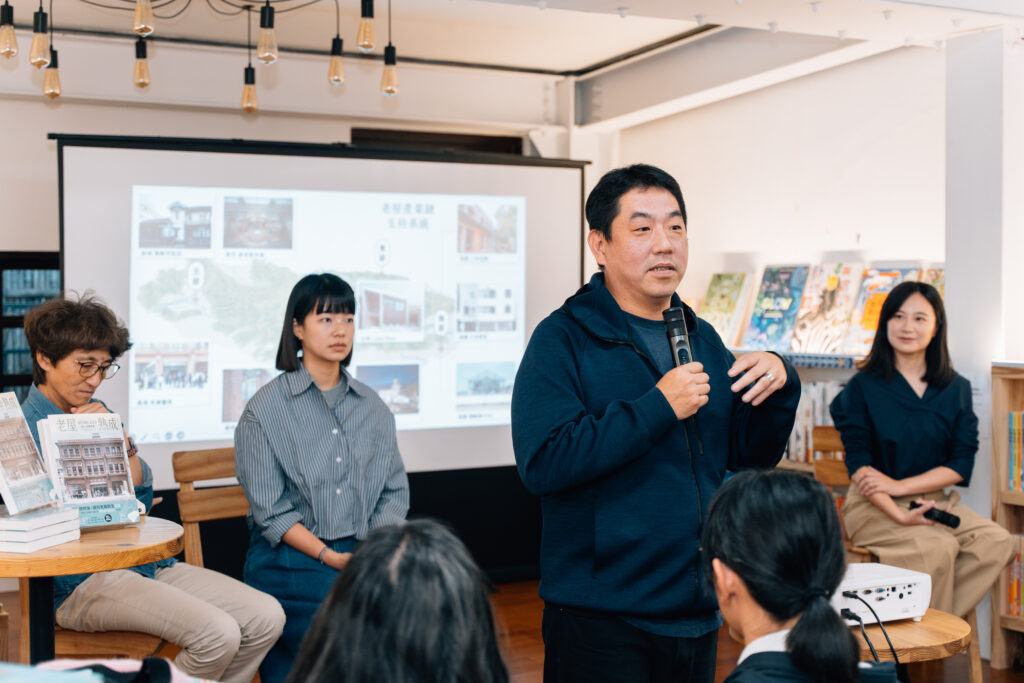
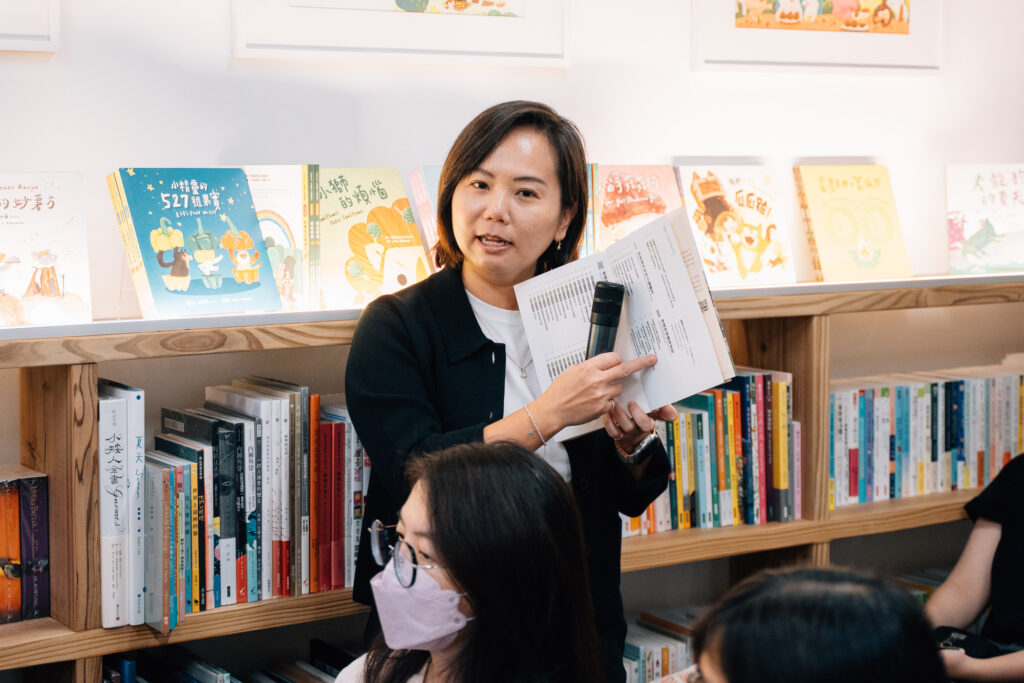
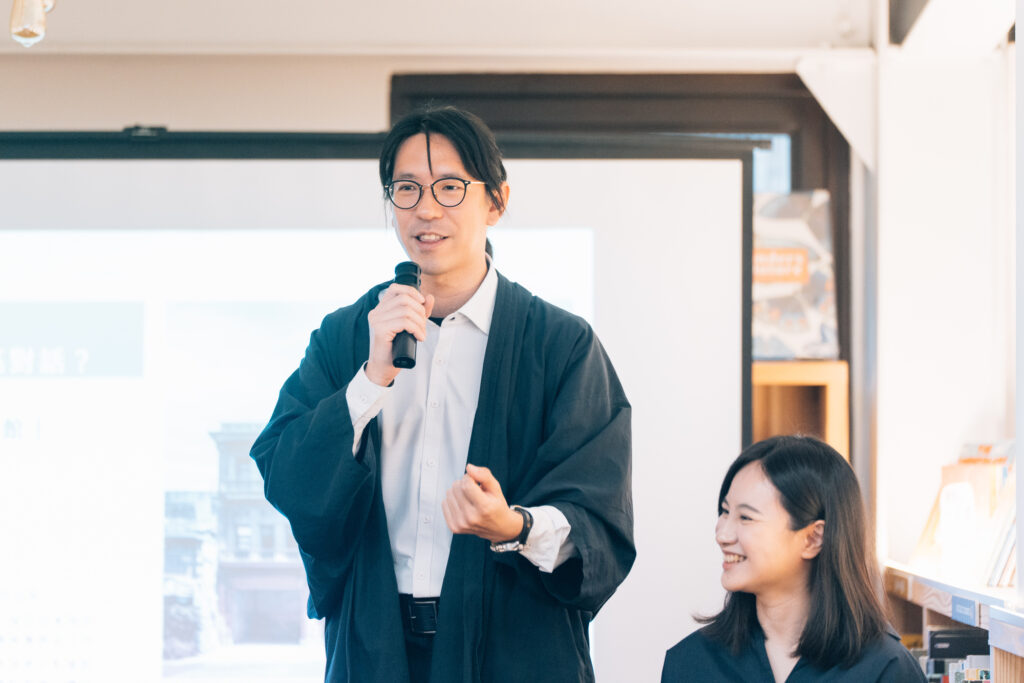
Figure 1 / Thanks go to Architect Huang Yun-shu, the principal architect of the firm Atelier TimeScape, for enthusiastically recommending this book. (Image source / Gather Feather Studio – Photography by Ku Chia-li)
Figure 2: X-Basic team’s director Hsiao Ting-hsiung explaining the core of the book. (Image source / Gather Feather Studio – Photography by Ku Chia-li)
As X-Basic team’s Director Hsiao Ting-hsiung added, the revitalization of old houses is a team effort that requires a massive support system to complete. Its core lies in ‘restoration through revitalization’—it’s not just making it look beautiful, but also about establishing strong trust and sustainable operational practices to help the restored houses endure longer.
We hope that ‘Beyond Aged’ will serve as a catalyst, transforming these seemingly independent case experiences into a ‘regeneration guide’ for reference, inviting readers to find their own roles within the gradually emerging ecosystem of old houses with their respective expertise. Although the series of launch events has come to an end, old houses across the island continue to mature—we will plan more themed sharing sessions in the future, so please stay tuned.
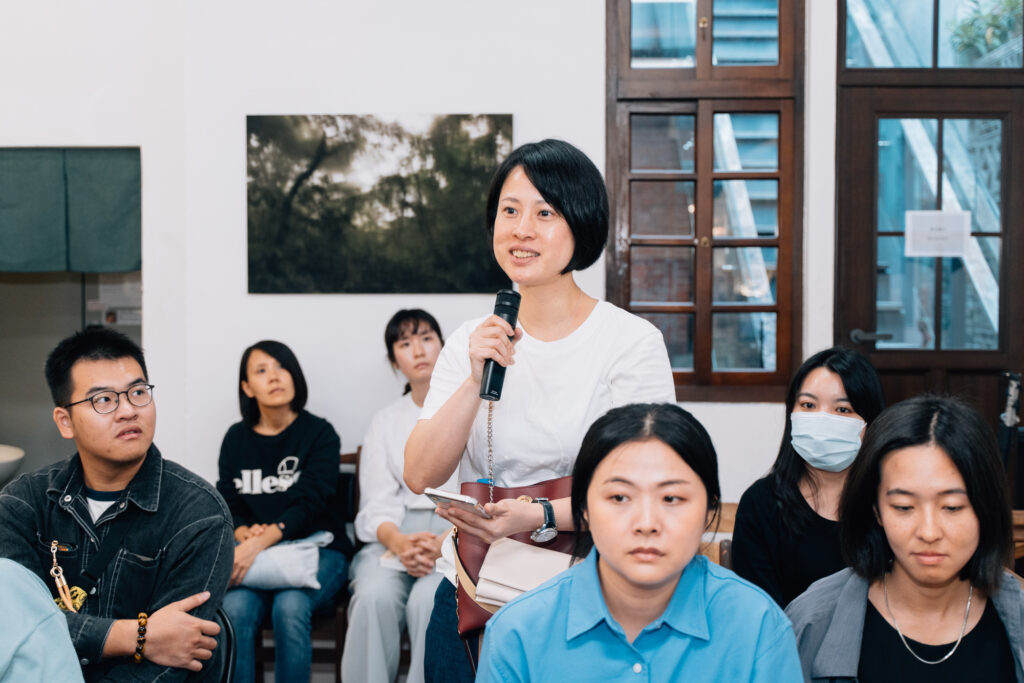
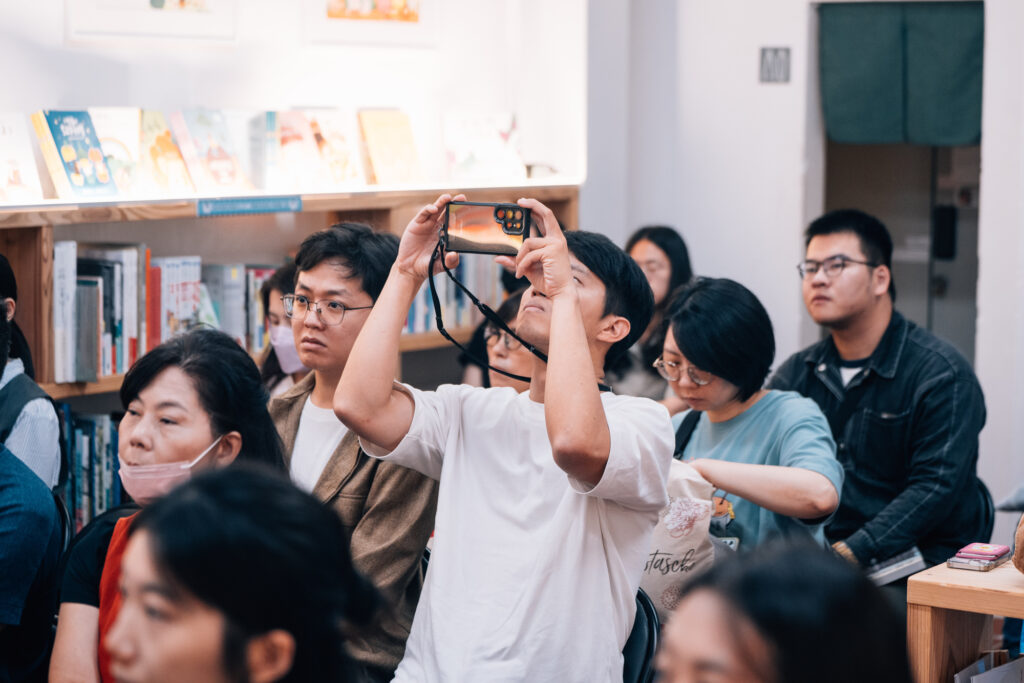
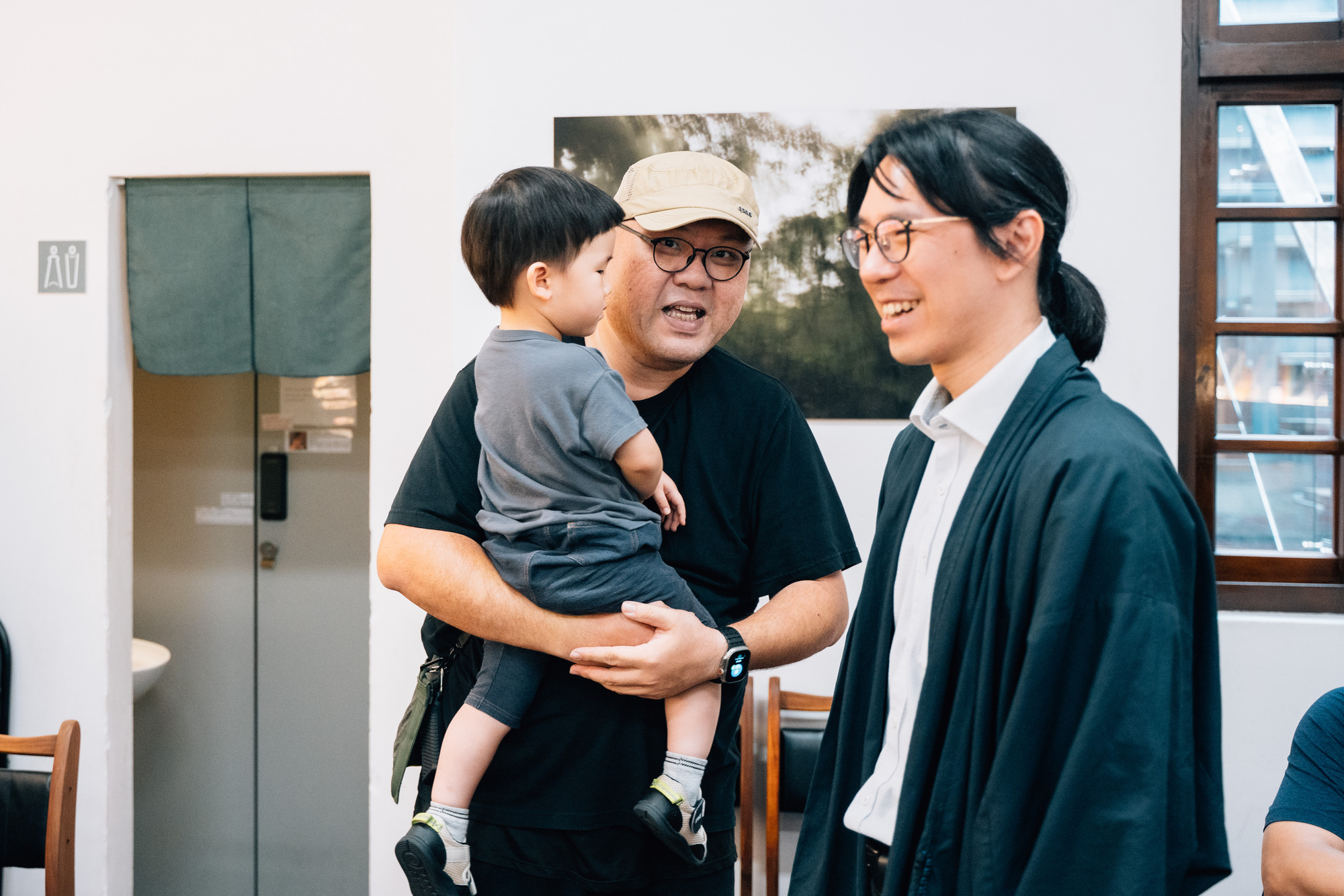
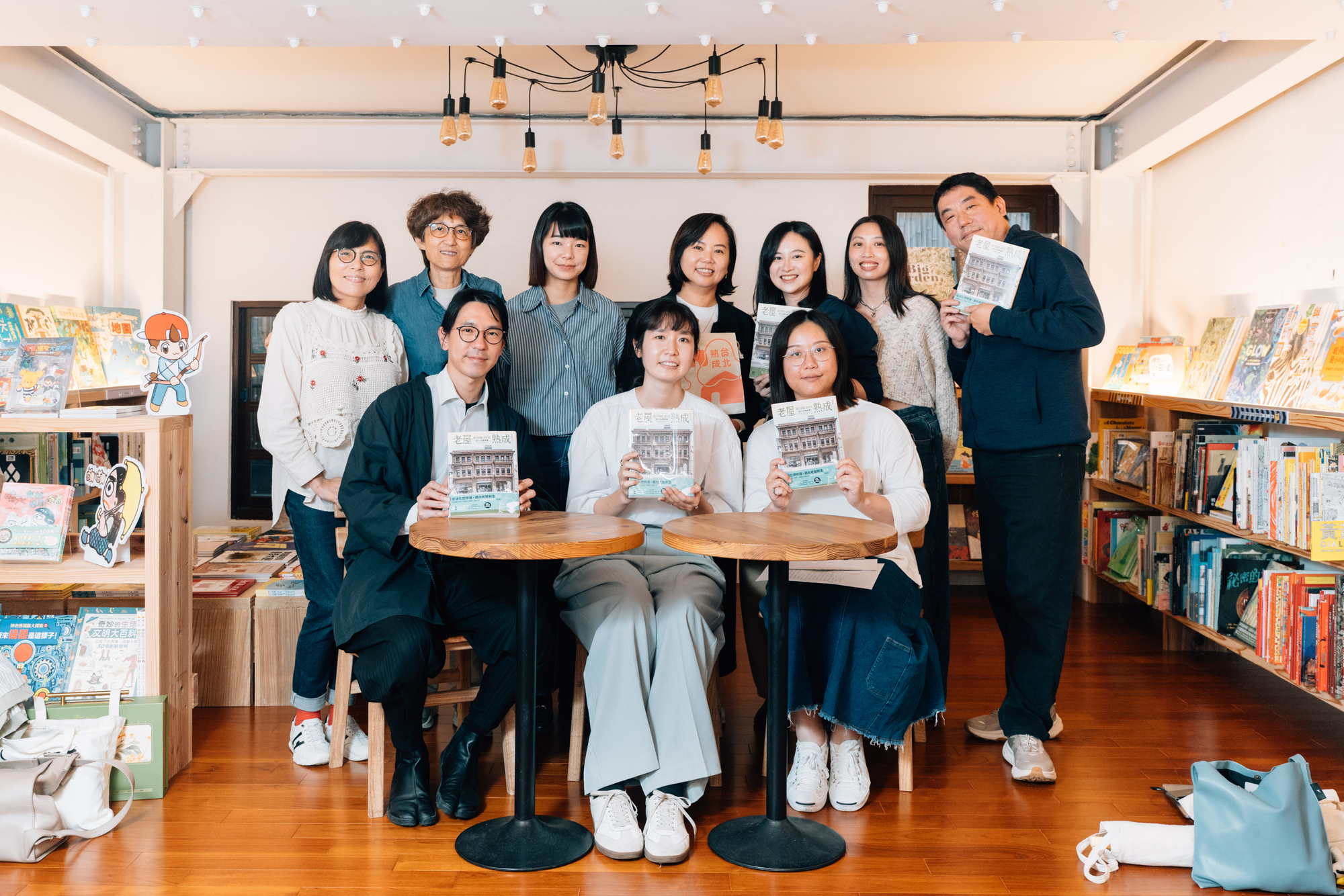
Figure 2 / Candid shot of the Taipei venue for the new book launch of ‘Beyond Aged’. (Image source / Gather Feather Studio – Photography by Ku Chia-li)
Figure 3 / Thanks to teacher Chu I-wen from OS Photography Studio, who photographed many images in the book ‘Beyond Aged’, for coming to the sharing event to show support. (Image source / Gather Feather Studio – Photography by Ku Chia-li)
Figure 4 / Group photo after the event with architect Huang Yun-shu (fourth from left, back row), Uni-Books Chief Editor Ke Ya-chien (first from left, back row) and the X-Basic Planning team. (Image source / Gather Feather Studio – Photography by Ku Chia-li)
“Beyond Aged” Purchase Information
❏ Online Retailers | Books.com.tw / Eslite / Taaze / Kingstone
❏ Book Price | NT$ 660