Modern Old House Surprise Package: A Recap of the Smile Taiwan Autumn Issue Sharing Session
Historical Depth × Industrial Breadth, Building a People-Centered Support System
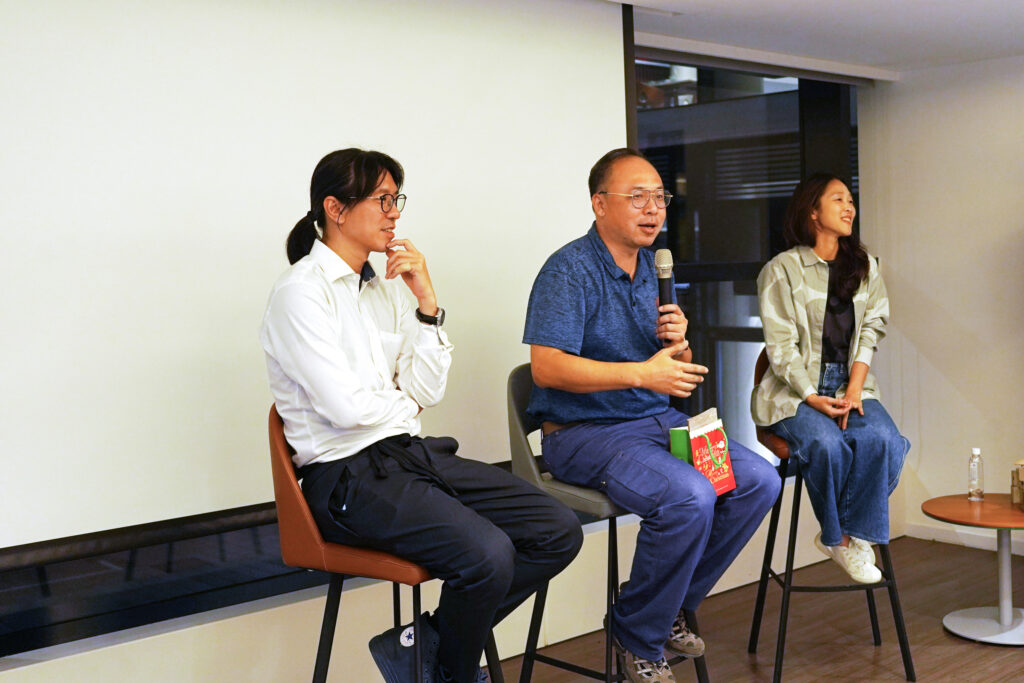
In the era before smartphones became widespread, traveling around Taiwan meant relying on paper maps, which listed 319 distinctive townships (now totaling 368), connected by highways, piecing together a complete picture of Taiwan. Director Hsiao Ting-hsiung began with this anecdote, sharing how his travels during his university days–and getting lost along the way–changed his perspective on viewing the land. Shifting from a city as isolated points to a more systematic understanding of road networks, regions, and the entire island. With a background in economics, his growth path toward cultural heritage and old house regeneration expertise ultimately converged into X-Basic Team’s core methodology.
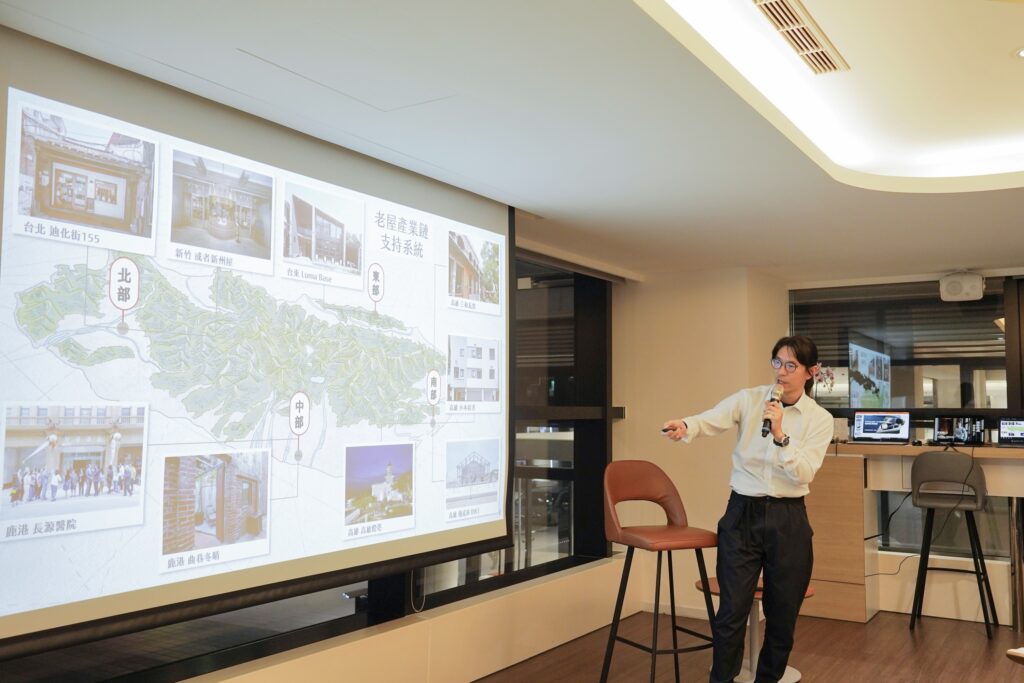
Facing the massive and complex industry of old house revitalization, X-Basic Team attempts to horizontally integrate support systems, covering early strategic planning and historical research, to spatial design and construction, and finally brand activation and sustainable operation—all to give old houses a role to stand in contemporary times. Taking Hsinchu’s “OR House” as an example, the team meticulously traced its historical context during the investigation phase, and preserved the texture of window frames that had been cut away and later repaired during restoration, allowing future visitors to read the building’s traces of use across different eras. Facing the predicament of Kaohsiung’s SAN-HE Tile Factory where the main kiln structures were too damaged to continue operations, the team not only assisted in restoring the kiln and workspace but also helped with its transformation, jointly developing cultural catalyst products, reconnecting this active kiln that continues to produce cultural heritage bricks and tiles for Taiwan with contemporary architectural needs.
Looking back at X-Basic’s classic case—Chang-Yuan Hospital Lukang Historical Image Museum, which took seven years to fully regenerate—one can see how the team’s “people-centered” philosophy is implemented through full-cycle strategies. Whether tracing the family history together with the homeowner to restore the building to its appearance, or carefully selecting and preserving seemingly old objects (such as Dr. Hsu Tu’s self-designed circuit diagrams or photographer Hsu Tsang-tse’s 8mm film recordings of family moments) and translating them into exhibitions that invites neighborhood participation—all these efforts gradually transformed what was once a private residence into a local cultural museum open to the public. At the same time, the family’s stories were revitalized, reflecting the shared memories of the entire ancient town.
Weaving a Network of Local Regeneration with Stories as a Shuttle
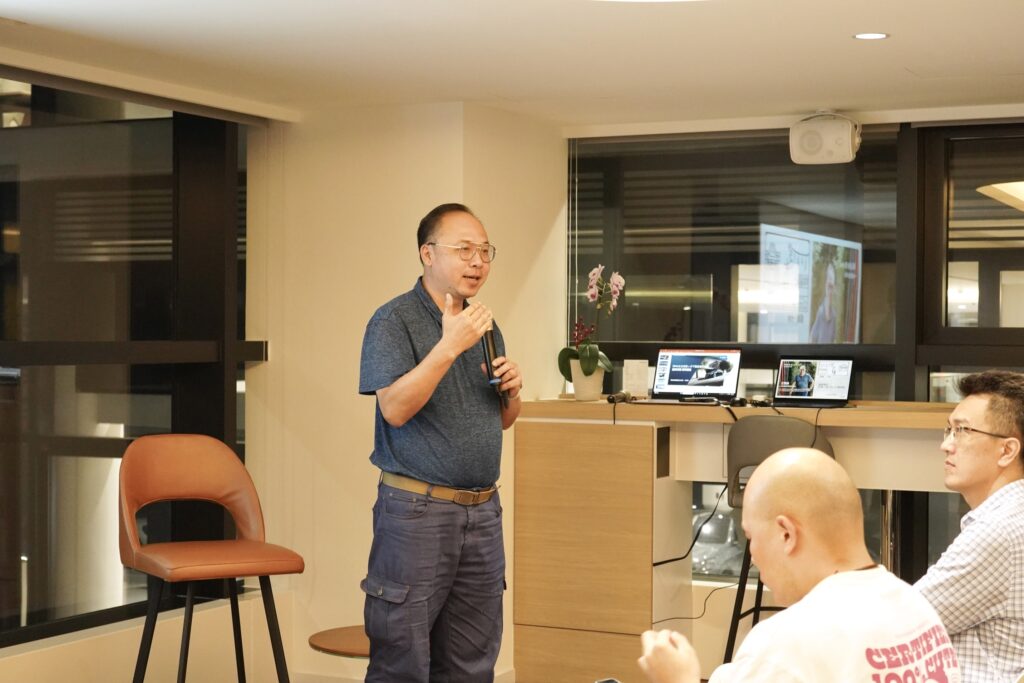
Rated as one of Taiwan’s least distinctive townships in 1994, Dalin in Chiayi has undergone over 30 years of sedimentation and revival. Today, it has not only obtained international Cittaslow certification but also received recognition as one of the first Top 100 Cultural Bases. As a key driver of small town regeneration, Dalin Cittaslow Development Association founder Chiang Ming-he shared the regeneration path that starts from excavating and translating local stories to rebuild a sense of identity.
The Wanguo Cinema, which once witnessed the glory of Dalin’s entertainment industry before falling into decline with the town, is one concrete example of regeneration. After obtaining the owner’s permission to use the space and applying for a project to restore the facade, the complete restoration and revitalization of the Wanguo Cinema actually began with just one projector and a few benches. Founder Chiang Ming-he stubbornly held a ‘Outdoor Cinema’ at the theater entrance for two years, from initially having only himself and his son (sometimes with a dog) watching films, to later attracting attention from various sectors after media coverage. He kept the theater warm through persistent action, even transforming it into a film and television base friendly to production crews, attracting renowned productions like ‘Detention’ to film there by offering site preparation in lieu of rent. Thus, before the complete restoration was finished, the Wanguo Cinema had already re-consolidated its soul as a public space, and through community participation and story recreation, it became a node connecting local memory with contemporary culture.
The recently revitalized ‘Romance Guest House’ is an even more brilliant embodiment of this story-first thinking. This old guest house, operated by a retired police officer, inherently contained the flavor of its era. Chiang Ming-he dug deeply into its history, discovering stories about secret passages and warning lights designed specifically to avoid being ‘caught in the act’ during wife raids, as well as a custom-made ‘Happiness Table’ that can withstand the physical fights of married couples. These vivid fragments of history were translated into guided tours, escape rooms, and other spatial experiences. The stories thus transformed into spatial circulation routes, hidden passages behind doors, and secret switches under counters, inviting every visitor to participate.
From Wanguo Cinema to Romance Guest House, Founder Chiang Ming-he continues to weave local networks through storytelling, event planning, and interpersonal relationships, ensuring that each revitalized old house is no longer an isolated island but an organic component that can create value with the entire neighborhood.
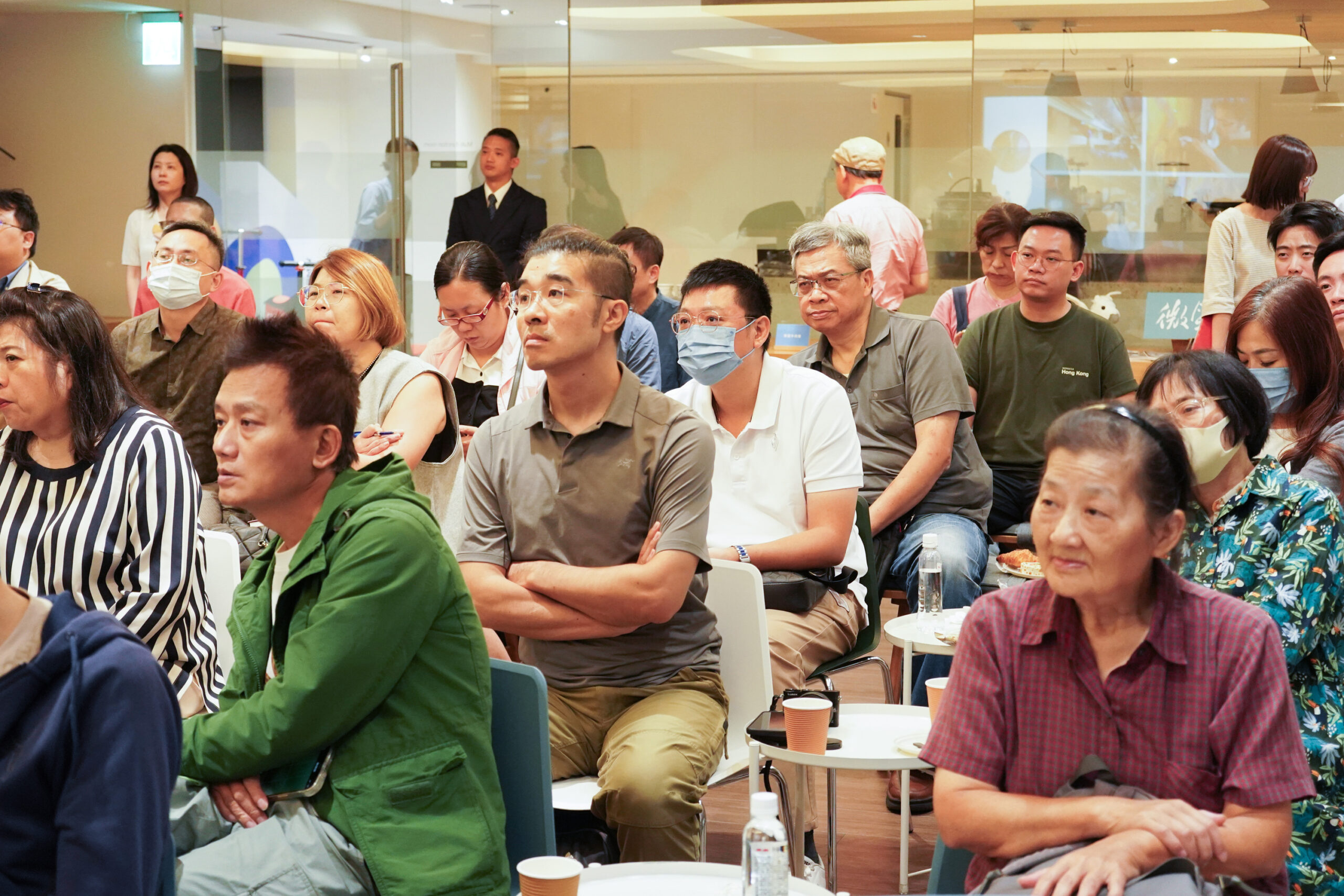
Opening the Modern Old House Surprise Package
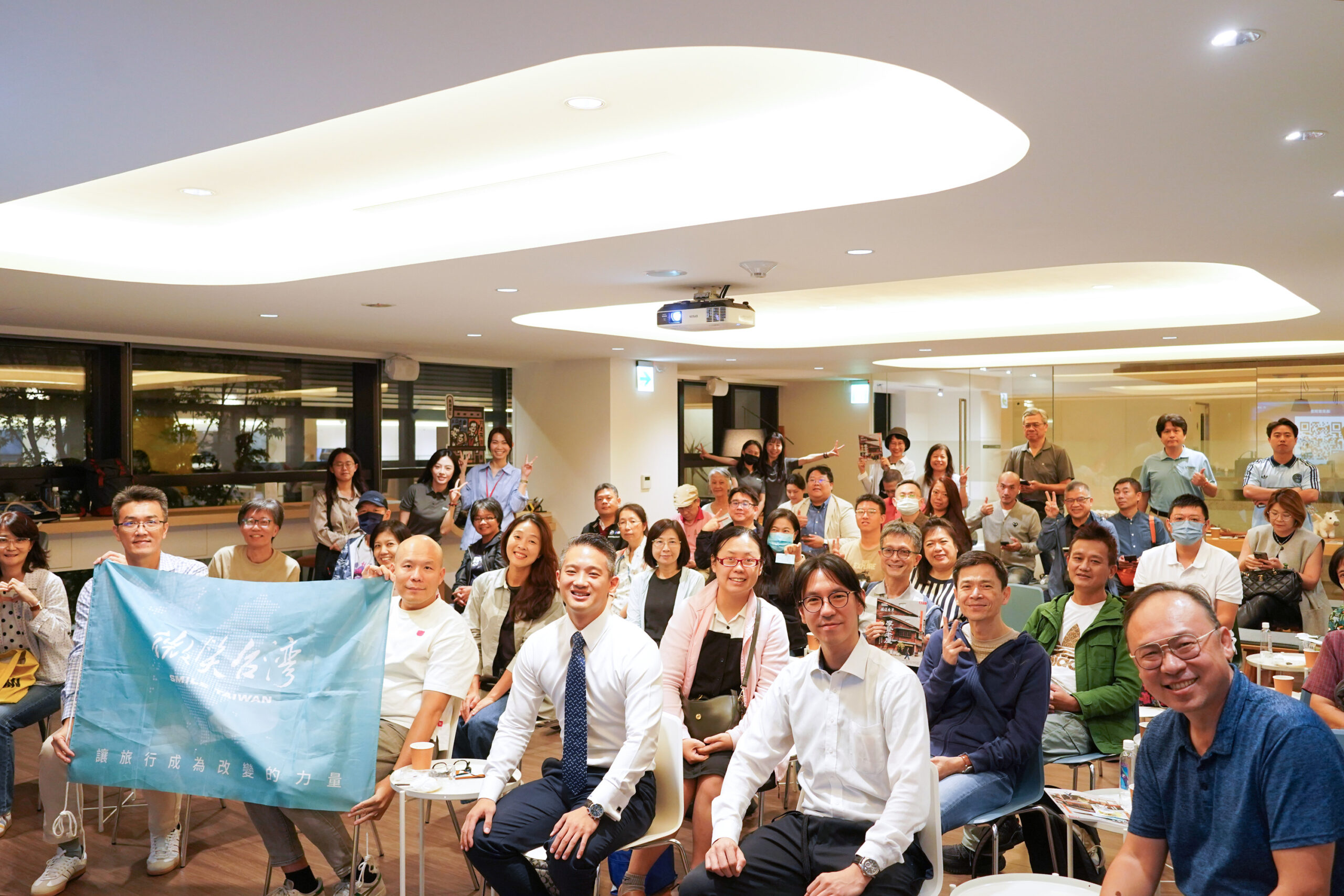
One sharing session, two completely different regeneration paths, yet both stemming from the same profound intentions and vision. The X-Basic team attempts to build a support system for the old house industry, helping homeowners and professionals dedicated to this field jointly face challenges of new and old regulations, restoration funding, and operational models; while the Dalin Cittaslow local network uses multiple approaches to return old houses to daily life, injecting endless vitality and sense of identity into the community.
“What kind of living landscape do we choose to leave for future generations?” The question posed by Director Li Pai-shu of Smile Taiwan, in the autumn issue of “Opening the Modern Old House Surprise Package”, may offer part of the answers in the dialogue between old houses and contemporary life—creating places across this land where people can live comfortably, explore, and imagine new ways of living is precisely the response that the X-Basic team and their colleagues write day after day through daily practice.