
Beginning with Planning, Ending with Daily Life: ‘Old House Life Extension and Functional Renewal Project’ Offers Another Choice for Cities
A city, as a concrete manifestation of collective living, shows the texture of different eras through the coexistence of old and new buildings. It presents diverse values while providing a field for innovative imagination. Therefore, beyond large-scale renewal, we must return to the microscopic patterns of daily life to rethink the appearance of homes and the future of cities. The Old House Life Extension and Functional Renewal Project recently proposed by the National Land Management Agency, Ministry of the Interior, represents an initiative in ‘slow renewal.’ Through subsidies and professional consulting for renovating old apartments and townhouses, the project aims to empower residents to initiate their own changes. This approach ensures that transformation takes shape gradually, built upon a deep respect for the existing urban fabric.
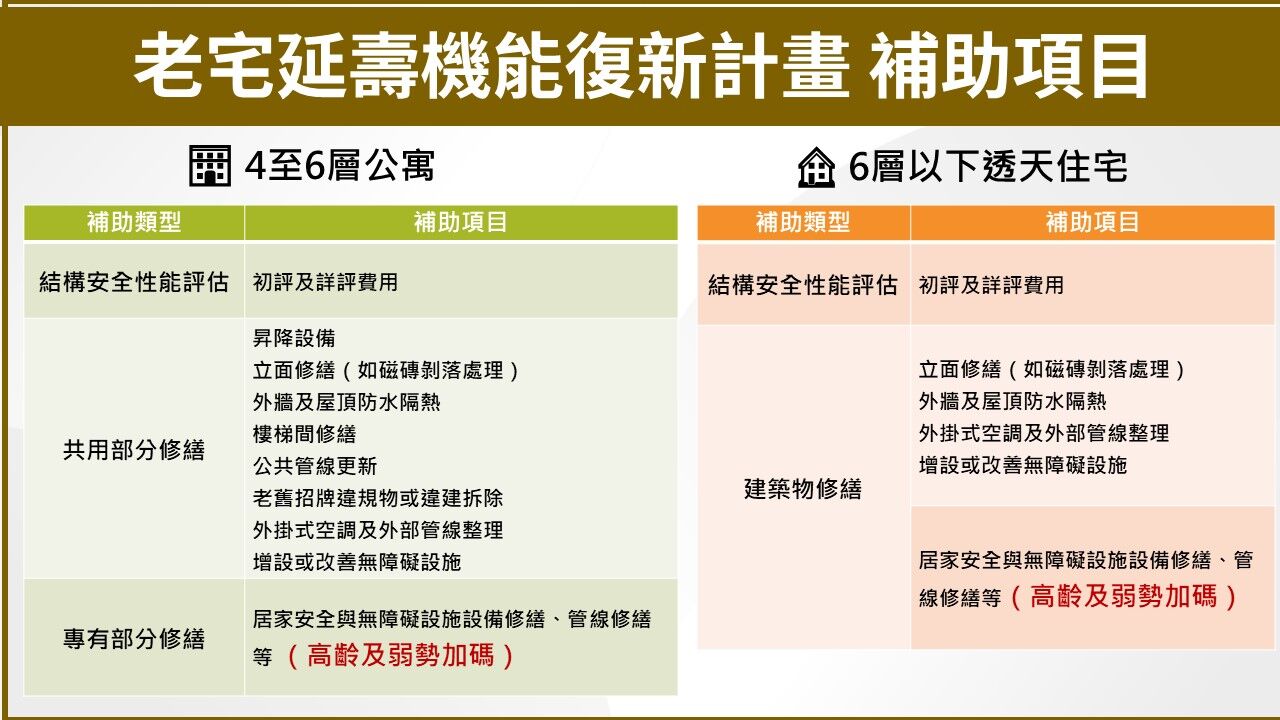
Starting from Daily Life, Extending Urban Memory
Public attention to old houses in Taiwan is gradually increasing. From the early focus on restoration and preservation of cultural heritage, people now turn to ordinary living spaces. Past initiatives such as the Ministry of Culture’s Private Historic Building Preservation and Regeneration Project, as well as local government programs like Taipei City’s Residential Renovation Express Package ABC, Chiayi City’s ‘Chiayi Wooden House Program’, and ‘Old House Makeup Removal Project’ all reflect this shift in perspective. The launch of the Old House Life Extension Project can be seen as a key step in this emerging trend, expanding policy resources from old buildings with cultural value to a wide range of residential buildings across Taiwan. This directly addresses the most fundamental issues of structural safety and functional aging.
Nevertheless, traditional renovation models often focus on quantitative indicators of space efficiency and profit. The lengthy process of opinion integration also reveals the difficulty of building community consensus. If we could look further ahead and envision an urban landscape that combines lifestyle and local texture, we might inject more diverse values and possibilities in the direction of ‘renewal.’
When policies provide the foundation for housing security, maintaining old houses become an option that ‘makes life better’ but requires joint consideration from both public and private sectors. The X-Basic team’s newly published book ‘Beyond Aged’ opens up discussion on this topic. Cases of old house revitalization from across the island featured in the book, whether independently operated through civilian creativity or co-created through collaboration between public sector and local communities, all attempt to transform spaces into containers for contemporary living on innovative models.
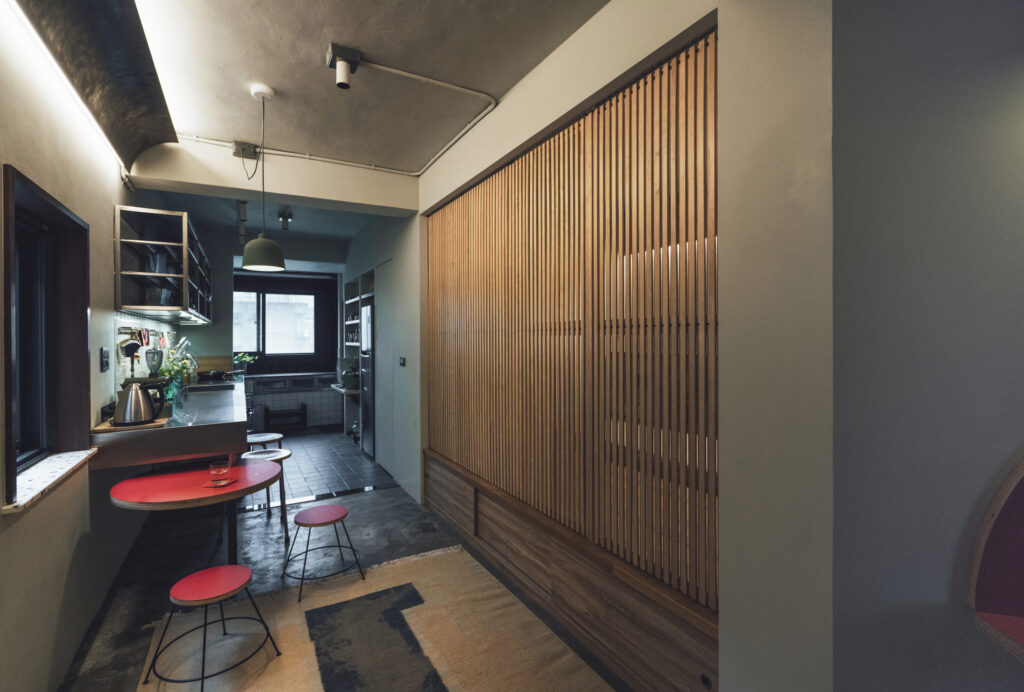
Taking Bike Space Station as an example. A once dark and narrow apartment unit has been cleverly transformed by designers into a bright residence that integrates cross-country cycling interests. The terrazzo floors and old wall lamps have been carefully preserved, coexisting harmoniously with modern functionality and sleek storage design. The old apartment serves as both the owner’s living space and as a social venue for gatherings of like-minded people, deeply responding to contemporary youth’s desire to maintain quality of life and personal style in the city center.
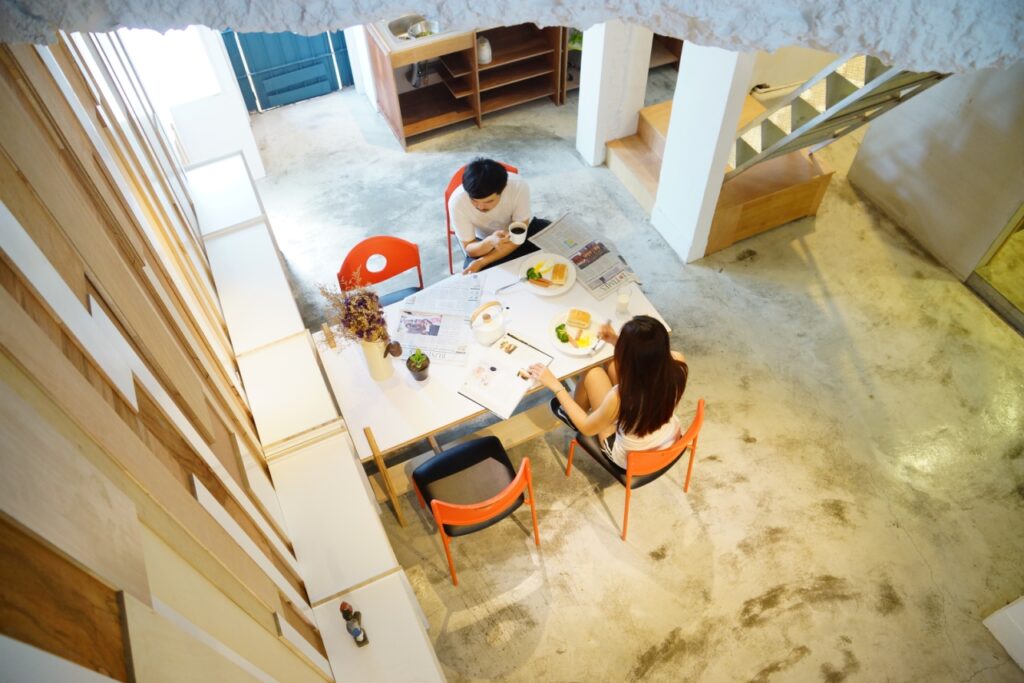
The Simple-Basic Apartment series in the port city of Kaohsiung expands the vision to innovation at the social level. Facing the large number of vacant walk-up apartments in the city and the housing issues that come with them, the S-Basic Living Construction team chose to use private enterprise resources to purchase and restore old apartments. They created friendly and quality themed rental environments for specific client groups such as single women and cat owners. Its core lies in the ‘rent first, buy later’ housing plan: Tenants can choose to convert half of their rent into future down payment credits for home purchases. Through rent recovery and innovative solutions, Simple-Basic Apartment has explored a replicable economic model that injects vitality into old buildings while offering sustainable solutions to housing issues.
Finding a place to settle everyday life
Beginning with the planner’s macroscopic perspective and ending with countless stable and beautiful daily lives, Old House Life Extension aims to reopen the dialogue between people and the city through a practical alternative to large-scale renewal. Looking back at the cases in Beyond Aged and the creative thinking they reflect, it’s evident that the significance of this project is not just a subsidy policy, but a catalyst for generating diversity in urban and rural areas. When policy momentum intersects with urban residents’ visions of mutual benefit, the concept of urban regeneration will continue to mature, restoring irreplaceable characteristics to every corner of the island of Taiwan.