Co-writing a Book with City Residents: A Review of Professor Yukio Nishimura’s Lecture and Urban-Rural Summit Forum
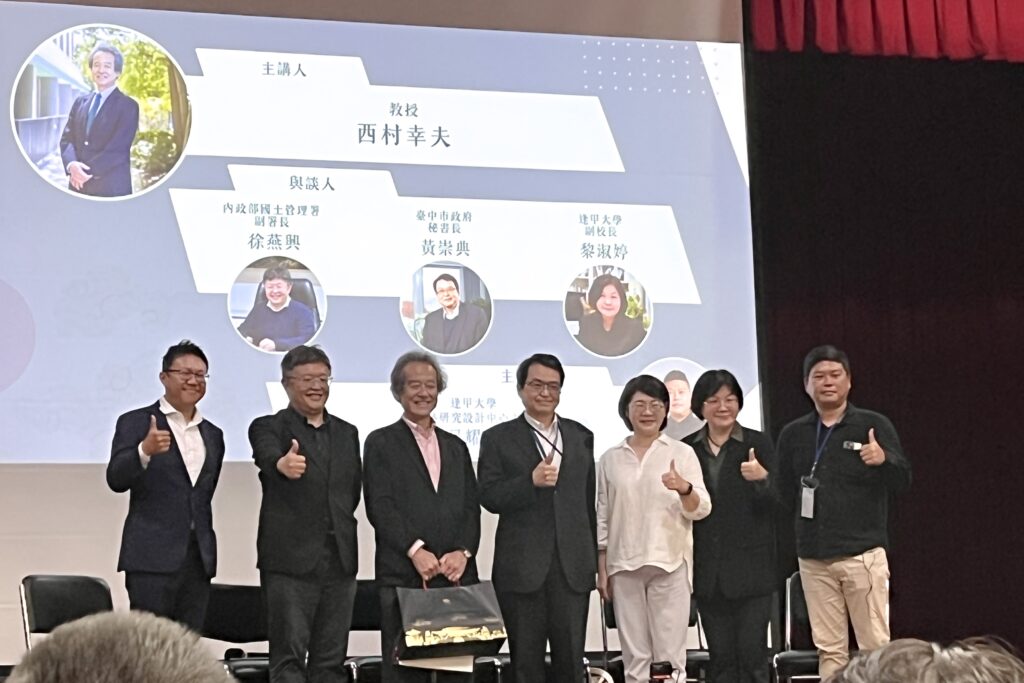
Professor Yukio Nishimura, who has long focused on townscape preservation (Machinami Hozon) across Japan, also has deep connections with Taiwan. His work “Hometown Charm Club” and concepts of local development profoundly inspired Taiwan’s community-building movement in the 1990s. This lecture brought together key figures from industry, government, and academia: Deputy Director Hsu Yen-hsing from the Ministry of the Interior’s National Land Management Agency, Secretary-General Huang Chong-tien from Taichung City Government, and Vice President Li Shu-ting from Feng Chia University. They participated in the discussion, exploring Taiwan’s current urban and rural development issues from different perspectives of policy, practice, and academia.
Wisdom Growing from the Land
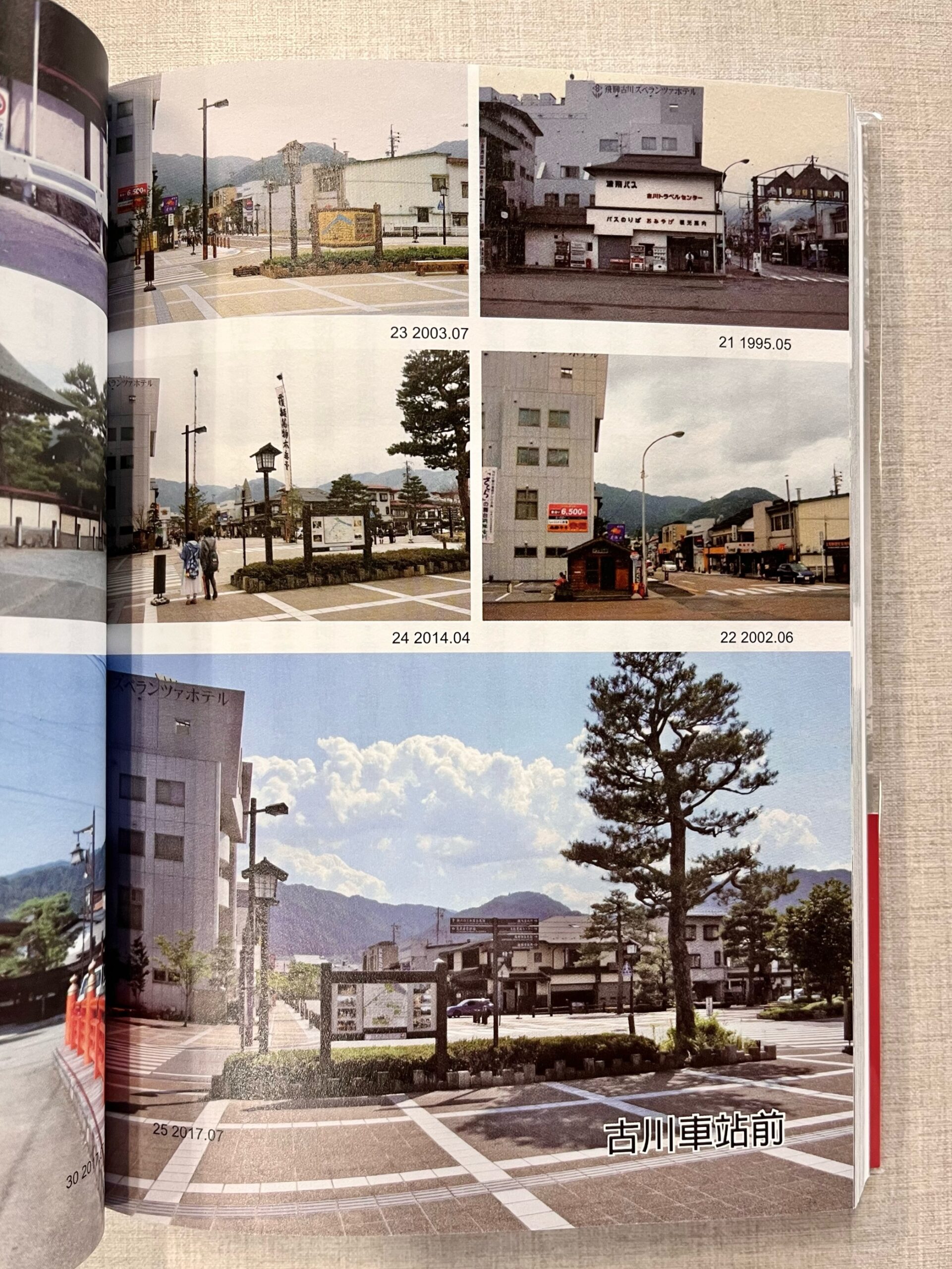
Professor Yukio Nishimura did not directly delve into theory, but instead invited the audience to review urban regeneration sites through two cases he has long been involved with—”Hida-Furukawa” and “Higashi-Maizuru.” The former, evolved from its rustic appearance in a 1997 public television documentary, has grown to its current landscape with the river as the central axis, with the nearby embankments, warehouses, and even building facades around the station plaza has been meticulously maintained. There are no drastic changes, but rather organic growth like water dripping through stone. The latter addresses a common question for many cities: how can a relatively young city, without a long historical legacy, find its unique soul? By surveying and researching the city’s unique brick architecture and revitalizing them into concert halls and historical museums, a “young” city found historical building anchor points capable of consolidating its identity.
Whether it’s Hida-Furukawa, meticulously polished over 40 years, or Higashi-Maizuru, which found its soul from its own characteristics, the paths taken may differ, but that heartfelt feeling among locals that “it’s wonderful to live here” is the common aspiration and ultimate goal of all urban and rural development work.
Ten Principles Learned from Cities
Decades of practical experience have been distilled by Professor Yukio Nishimura into “Ten Principles Learned from Cities” (translation taken from “The Final Lecture at the University of Tokyo: The Path I’ve Learned with Cities.”), covering both macro urban philosophy and the minute attitudes of residents facing daily life. Interestingly, when comparing these principles with the X-Basic team’s new book “Beyond Aged,” we find that although they focus on different scales and contexts, their core values resonate with each other.
First is the contemplation of the essence of life. “To understand a city, one must first recognize the life within it. To recognize urban life, one must first cultivate imagination and empathy.” This respect and empathy are precisely the key to the “aging” of many old houses in the book, with life itself imprinted in every inch of architectural detail. Through the preservation of spatial textures and the collection and interpretation of everyday objects, those moments of the past, perhaps forgotten, can be carried forward into the present.
However, while old houses gently embrace the past, they must also integrate contemporary residents’ vision of daily life. It is this ongoing process of reflection and practice between the old and the new that refines the shared ideals of homeowners, restorers, and building operators, confirming Professor Yukio Nishimura’s observation: “Charming cities are home to charming people. And it is these charming people who makes the cities charming.”
Second is a respect for time and a sense of cross-generational responsibility. “Each of us bears the responsibility to pass on what was entrusted to us from the past to future generations.” The grand concept of connecting past and future is to realize a sustainable city where people can live and work comfortably, with both resilience and vitality—and this ideal needs to be implemented through flexible spaces that can respond to contemporary needs.
The book ‘Beyond Aged’ explores restoration strategies that constantly seek balance between preservation and renewal, cherishing historical traces while pragmatically responding to contemporary needs. Through appropriate restoration and revitalization, these spaces return to people’s lives, becoming bases for incubating new business models and focal points for community identity, ultimately bringing continuous small yet meaningful changes to the city. As Professor Yukio Nishimura says, urban regeneration is not always achieved through earth-shattering events, but more often is realized in people’s efforts to ‘living their daily lives well and steadily.’ When residents can live stably and old buildings can be gently accommodated with more flexibility, the resilience of communities can gradually strengthens, preparing it for all unknown challenges.
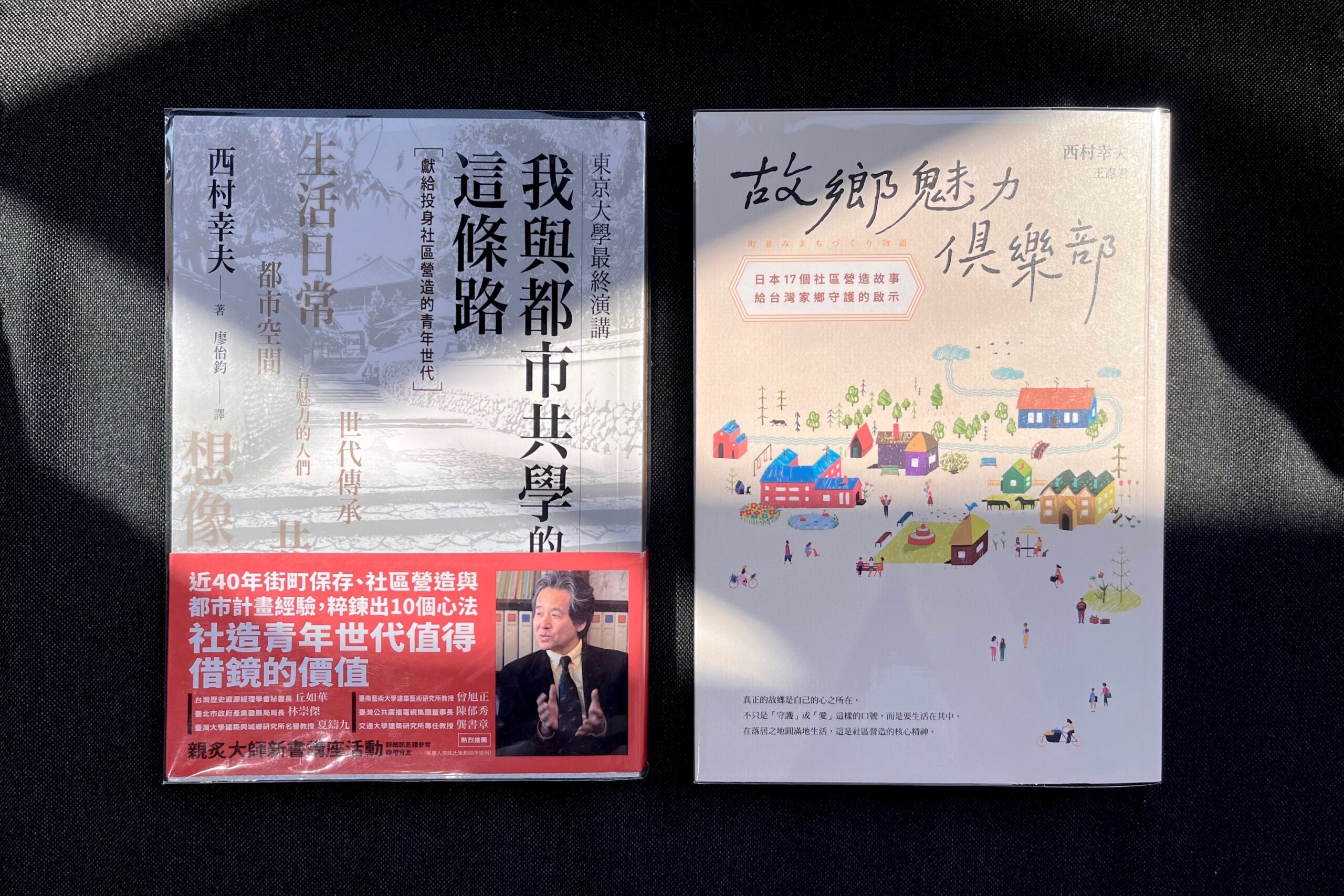
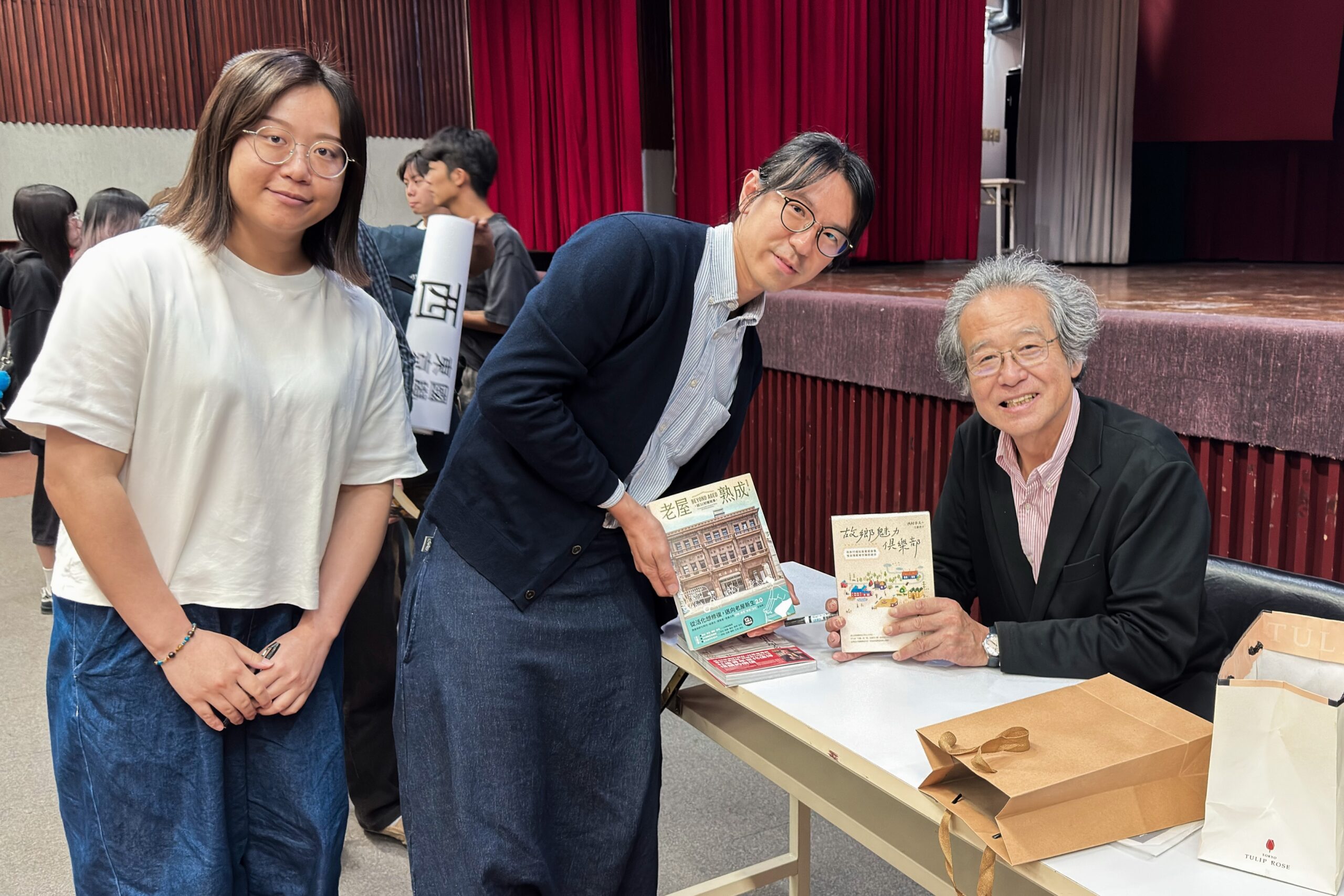
At the end of the lecture, we approached Professor Yukio Nishimura with respect and gratitude to have him sign the two books that deeply inspired our team, ‘Hometown Charm Club’ and ‘The Final Lecture at the University of Tokyo: The Path I’ve Learned with Cities,’ and presented him with our team’s own publication, ‘Beyond Aged’, showcasing our local practical work. Professor Yukio Nishimura’s urban philosophy provides a framework for Taiwan’s urban and rural development, while our X-Basic team’s local exploration is a concrete response to these universal building principles. Guided by the belief of ‘persisting in what is best for the future of old house regeneration,’ they continue, along with local partners, to explore and shape the story of this place we call ‘City.’