Preserving the texture of old Hsinchu city:
”OR” connects revitalized old houses into a network, creating a cultural living landscape
Dongqian Street, extending outward from the entrance of Hsinchu Dongmen Market, was a major transportation route during the Japanese Rule Period, connecting the two administrative centers of the provincial office and county office. Jewelry and silverware shops lined the street, while nearby teahouses, hat companies, printing houses, and photo studios drew endless crowds. In 1934, the “Shinshū-ya” department store, established by Taiwanese entrepreneur Tai Wu-shih, was a brilliant symbol of modern urban life of the time.
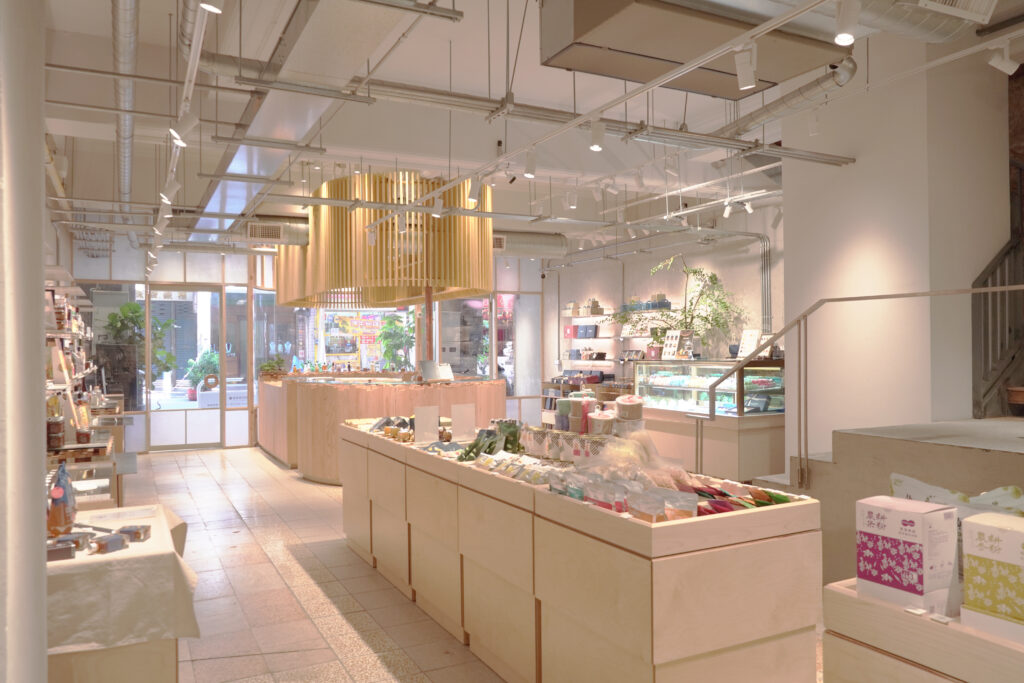
Decades later, as the commercial center shifted outward, the Dongmen commercial district gradually lost its prosperity. Shinshū-ya Department Store, having gone through various operational transformations including Shenglung Department Store and Les enphants, fell silent for a while with the passage of time. In 2023, when this long-dormant building was reborn as “OR House,” it once again became a fashionable landmark in Hsinchu’s old city district.
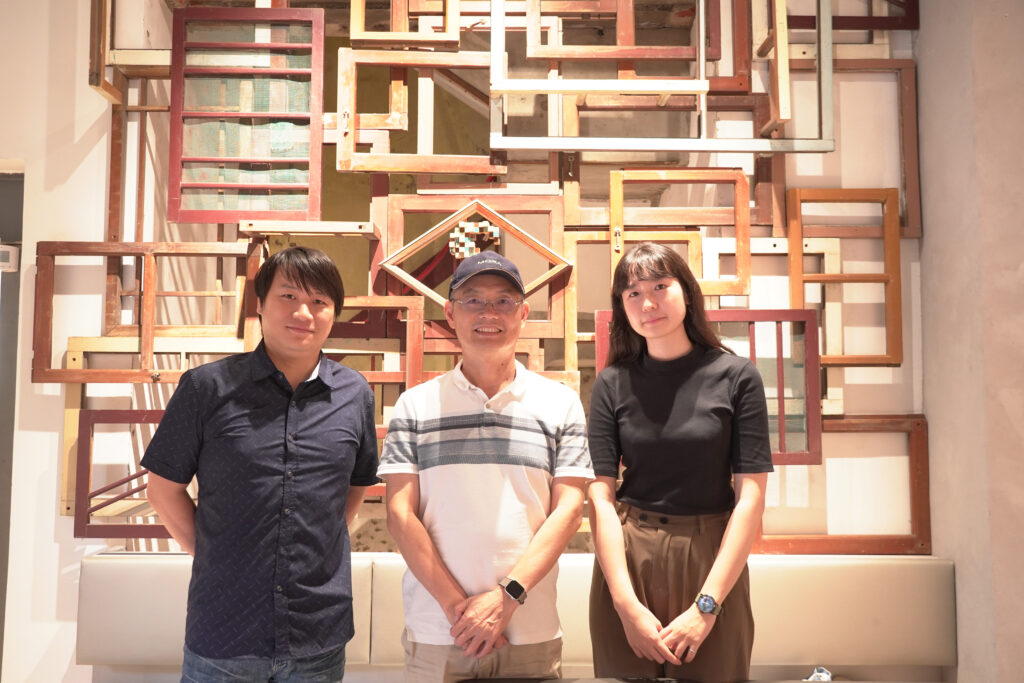
For their own publication, the X-Basic Planning team made a special trip to Hsinchu to interview Chen Tian-shun, CEO of Grand Vision Co., Ltd, the management team of OR House. Starting with the “Distributed Museum” project that the OR team has been promoting in the Hsinchu area, they explored the original intentions and implementation process of private enterprises preserving urban texture, as well as tried to understand the common challenges faced in the adaptive reuse of old houses.
The world does not lack beauty, but eyes that discover beauty
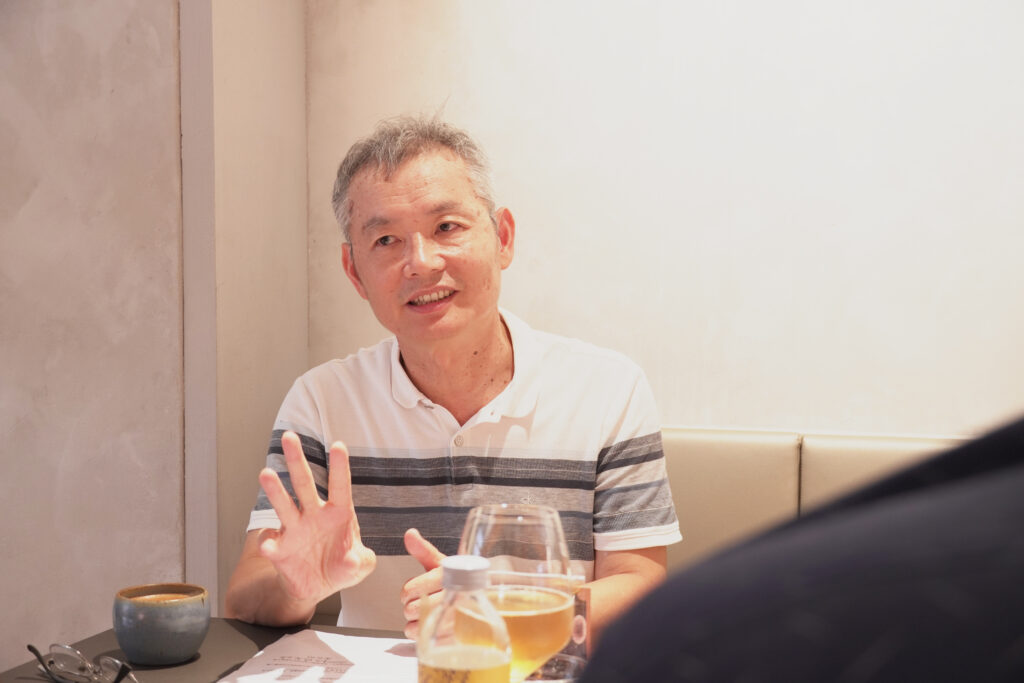
Transitioning from the technology industry to the cultural and creative sector, CEO Chen Tian-shun’s motivation for establishing “Grand Vision Co., Ltd” and its “OR” humanities and aesthetics brand stems from the deep affection he held for Hsinchu’s old city district since childhood. This city, which has gained international attention due to its high-tech industry, was once an ancient cultural capital before becoming a technology hub; however, the rapid disappearance of old houses and streets due to economic development, replaced by contemporary building, has increasingly distanced people’s interaction with the city.
“The world does not lack beauty, but lacks eyes that discover beauty.” CEO Chen Tian-shun quotes artist Rodin’s famous saying to explain that appreciating the beauty of old houses need not be limited to the historical value of cultural assets. Conversely, those old buildings scattered throughout urban neighborhoods, containing memories of daily life, are equally worthy of being cherished.
A 50-year-old house has as many years of stories to tell—adhering to this belief, Grand Vision Co., Ltd has established its ‘OR’ series brand in six old buildings in the Hsinchu area. Each location is like a carefully curated aesthetic exhibition, not only demonstrating another possibility for the renewal of old houses, but also presenting hopes to reignite the old city blocks of Hsinchu by combining architectural spaces with the warmth of cuisine, reading, and craftsmanship.
OR: Offering an alternative choice for the urban landscape
As one of the locations of a distributed art museum, the rebirth process of ‘OR House’ also embodies Grand Vision Co., Ltd’s nuanced thinking and innovative attempts at revitalizing old houses. In 2019, after Grand Vision Co., Ltd purchased the Shinshū-ya Department Store, they did not rush into renovation. Instead, they chose to open part of the space as an exhibition area during the Taiwan Design Expo the following year, rekindling public memory of this long-vacant old house. Afterward, they invited the X-Basic Planning team to conduct building research and structural restoration, and commissioned Hardis Design and Water Color Design to plan the interior space, preserving the existing spatial texture while employing innovative approaches to allow historical ambience and modern living to converge here.
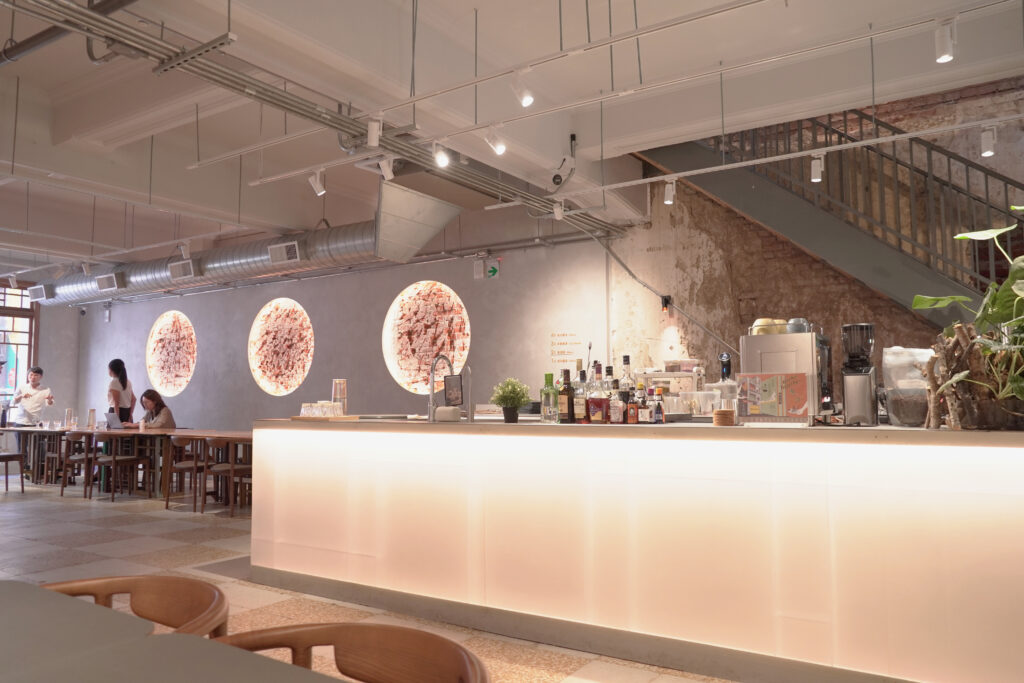
For example, the restoration team preserved the traces of modifications made to the window frame of the round window on the second floor through spatial repositionings, while the design team transformed it into a red brick framed view on the wall of the restaurant and bar. Thus, the window frame that had been repaired many times over decades was turned into a visual focal point with greater historical depth and narrative quality.
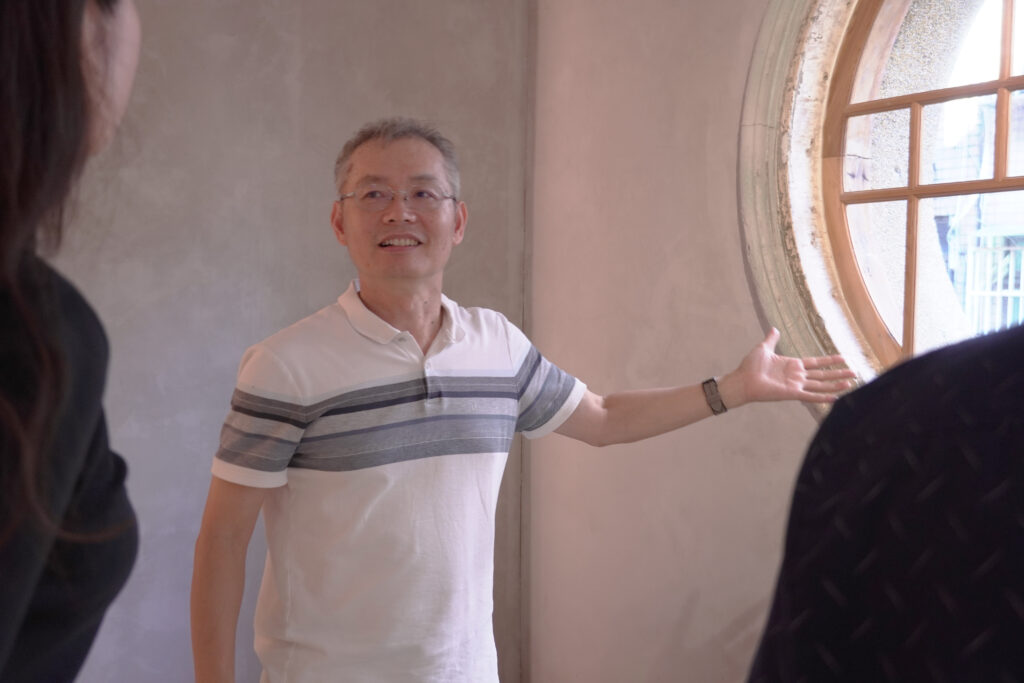
The reborn OR House, with its operational focus as a ‘Culinary Art Museum,’ incorporates the nearby market culture and diverse dietary patterns brought by immigrants, becoming the latest work of the ‘OR’ brand in Hsinchu’s old city district. Although the existing locations have not yet benefited from a cluster effect of old building regeneration and still rely on short-term, festival-style activities to attract people to the East Gate commercial district—Grand Vision Co., Ltd’s seven years of cultivation in the Hsinchu area has already added a humanistic atmosphere of old and new forming an interweaving pattern in the old city district, depicting another possibility for the urban landscape.